
Last updated November 16, 2026
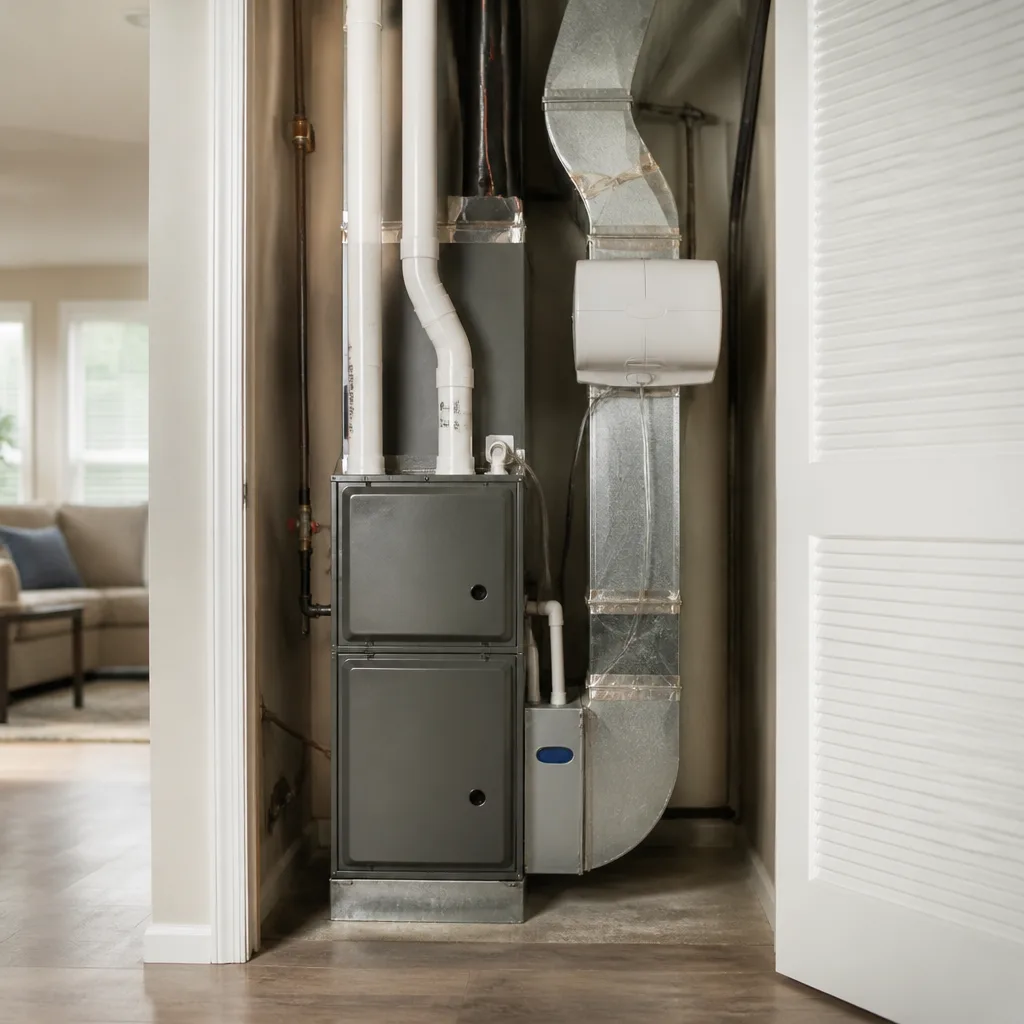 Furnace & heating
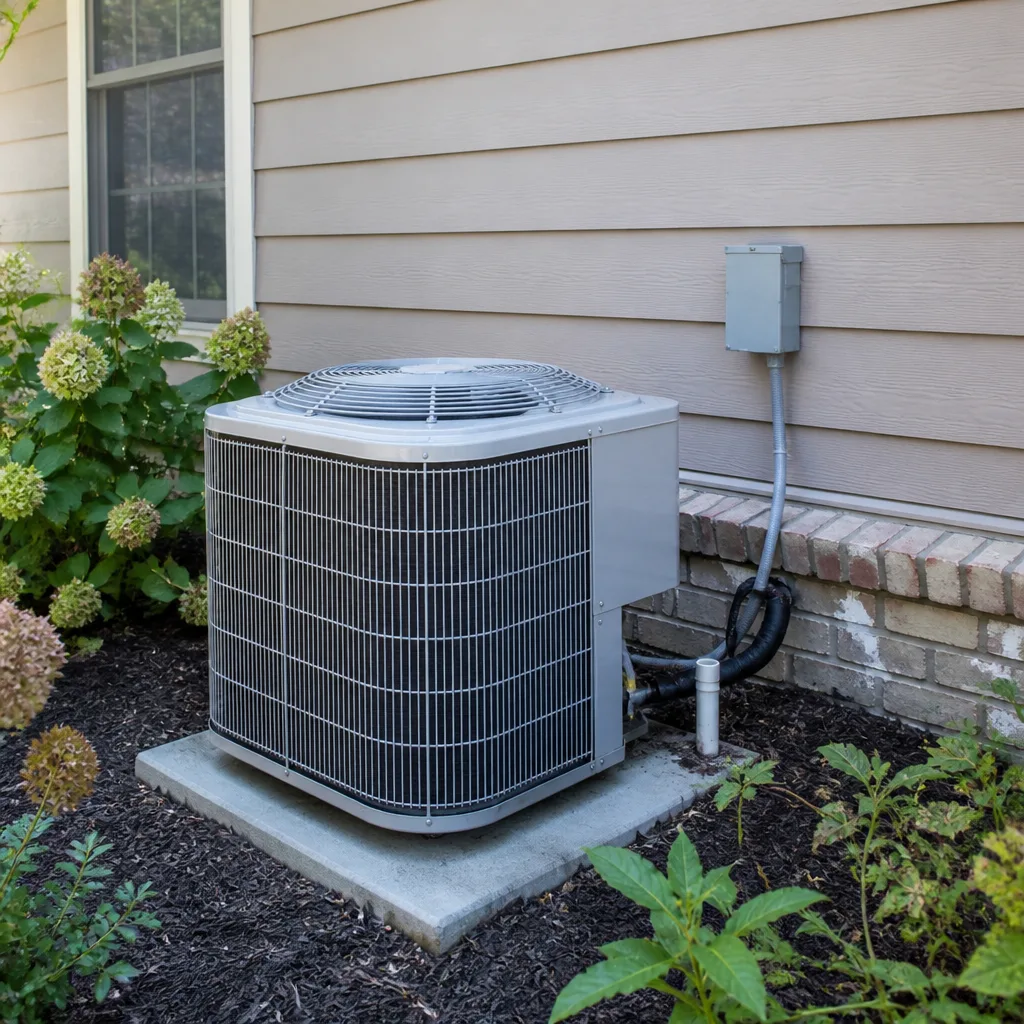 AC repair
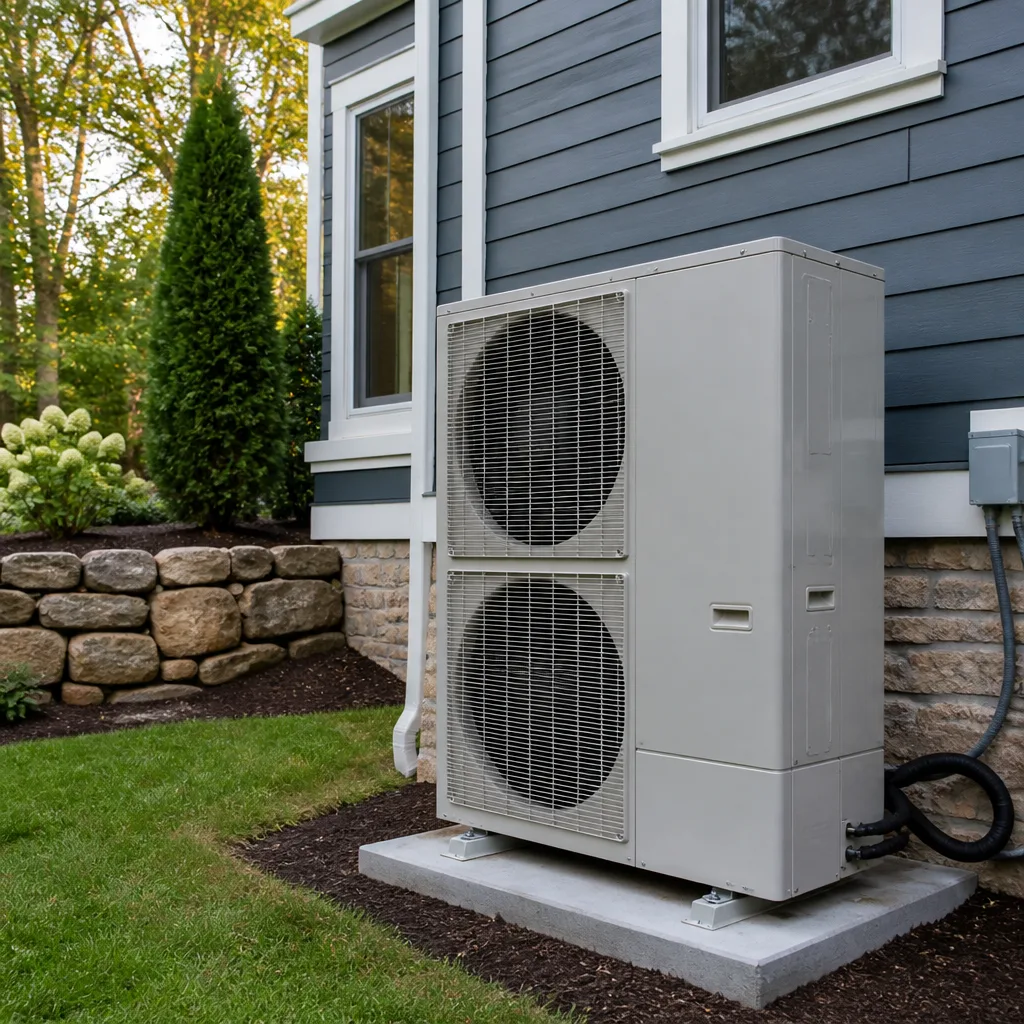 Heat pumps
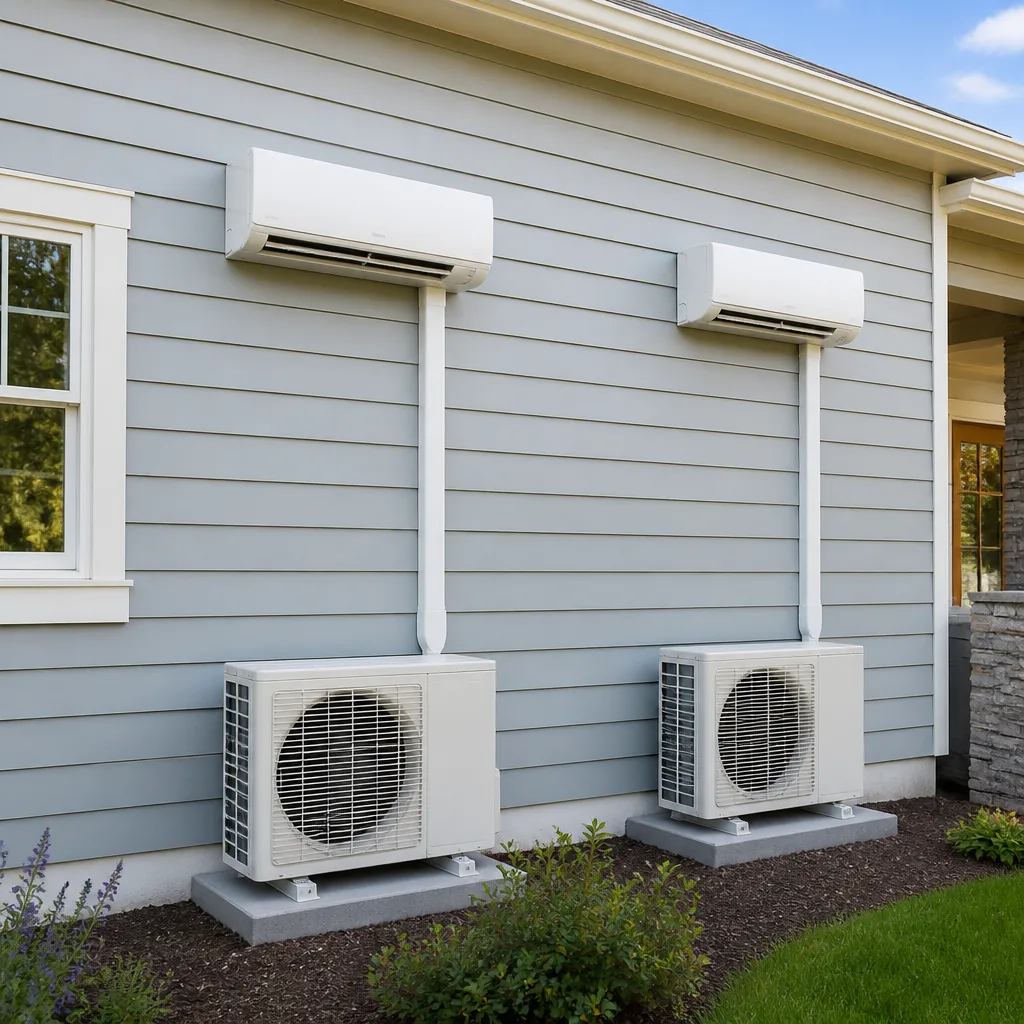 Ductless mini splits
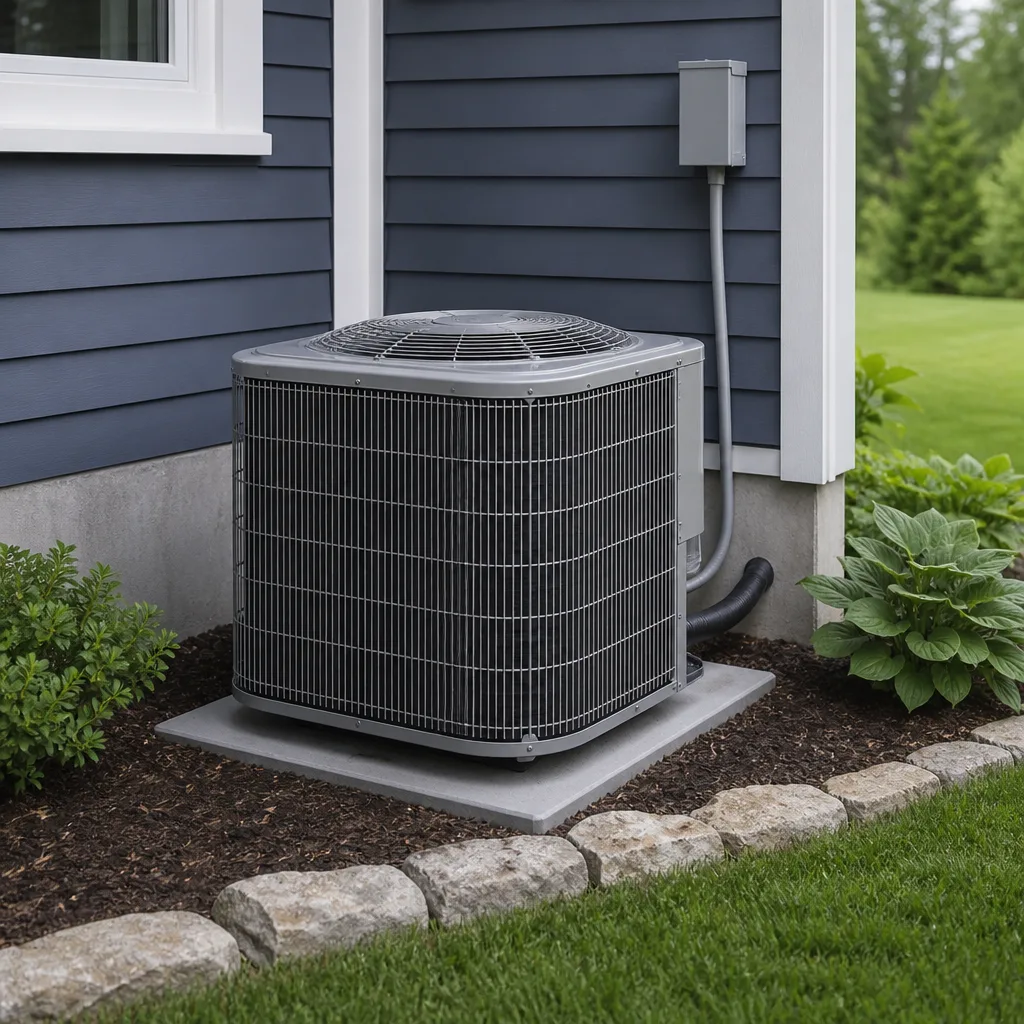 Carrier
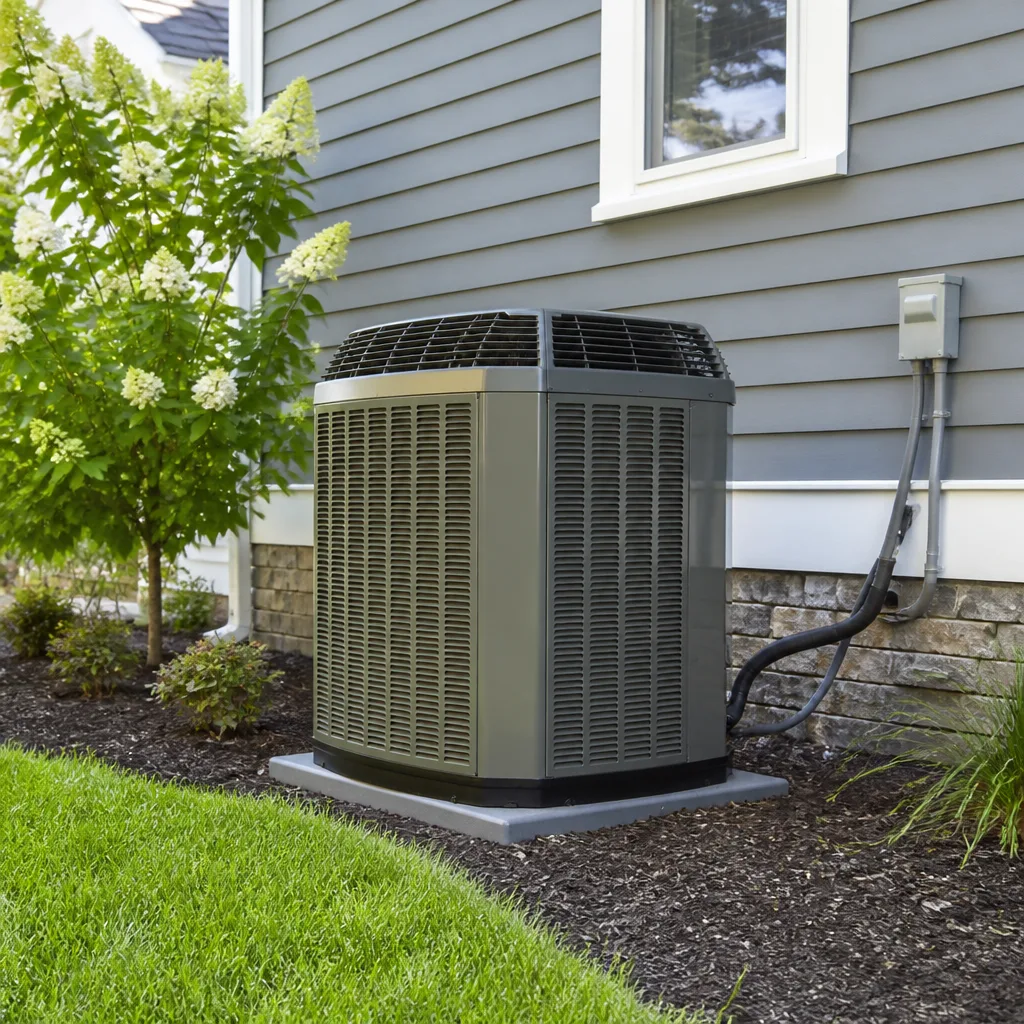 Trane
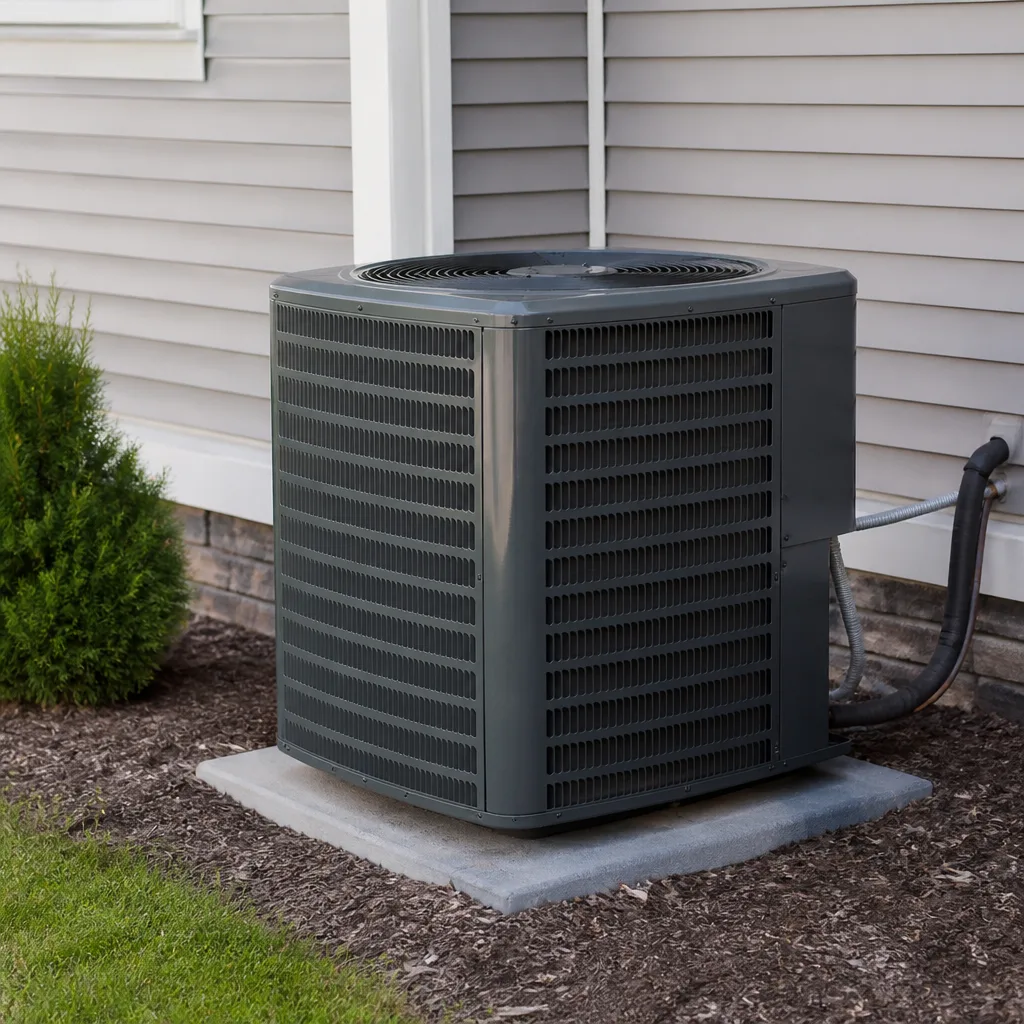 Goodman
Seasonal tune-up and full diagnostic on your Carrier, Trane, or Goodman system - readings shown to you before any repair is proposed
Diagnosis first, numbers second - you approve the repair price before a single part goes in.
Get your free estimateThe Complete Furnace Replacement Guide for Fort Myers Homeowners
Most furnace replacement guides are written for Minneapolis. Follow that advice in Fort Myers and you can end up with a system that short-cycles through an 80-degree January, runs far longer than it should, and corrodes faster than the equipment should ever have to. The logic of replacement here is different: heating loads are small, humidity is a year-round fact, and the real cost of a wrong choice is comfort, efficiency and repair bills over the life of the system. This guide walks through what actually matters in Fort Myers – sizing, fuel type, brand selection, permits in Lee County, and when a furnace is the wrong answer entirely.
Quick Answer
Furnace replacement in Fort Myers rarely follows the national script. Because heating hours are so limited, the right question isn’t which high-AFUE furnace to buy – it’s whether a furnace, a heat pump, or a dual-fuel setup makes more sense for your home. Sizing, humidity handling, and choosing a brand that holds up in Southwest Florida’s climate matter more than a marginal efficiency rating. Get those three right, and the system will last; get them wrong, and even premium equipment will disappoint.
Styles & brands we work with
- AC repair
- Furnace & heating
- Heat pumps
- Ductless mini splits
- Carrier
- Trane
- Goodman
Table of Contents
- Why Furnace Replacement in Fort Myers Is Different From National Guides
- AFUE, Heat Pump Compatibility, and Humidity: What to Weight
- Sizing a Furnace for a Subtropical Climate
- Furnace, Heat Pump, or Dual-Fuel: Which Fits Your Home?
- Which Brands Hold Up Best in Southwest Florida
- Lee County Permitting and Inspection Timelines
- What a Furnace Replacement Actually Involves
- What Drives the Cost of Furnace Replacement in Fort Myers
Why Furnace Replacement in Fort Myers Is Different From National Guides
National furnace guides are built around cold climates where the heating system carries the load for months. In Fort Myers, the heating side of your HVAC system runs for a small fraction of the year, and the cooling side runs almost constantly. That flips the priorities. A homeowner in Michigan choosing a furnace should care most about AFUE, because efficiency pays back over heavy runtime. A homeowner in Fort Myers should care most about a system that heats quickly and correctly when called on, then steps aside cleanly so the cooling side can do its job.
That has practical consequences. A furnace that’s oversized for a Fort Myers home doesn’t save money – it short-cycles, which wears parts faster and produces uneven heat. A furnace chosen without regard for humidity control can leave interior air feeling clammy even when the thermostat reads comfortable. And a brand chosen for cold-climate reputation rather than humidity tolerance can struggle in a home where the indoor coil sees condensation nearly year-round.
Fort Myers homes also tend to have specific construction patterns worth knowing about. Slab-on-grade construction with ductwork in the attic is common, which means heat loss through ducts matters far more than wall insulation values. The attic also runs hot through most of the year, and any furnace or air handler sitting up there is working in a warmer environment than the equipment’s rated conditions assume. That’s not a reason to avoid an attic install – it’s a reason to have the ductwork and equipment enclosure assessed as part of the replacement, not treated as an afterthought.
That’s the lens this guide takes: what a Fort Myers homeowner actually needs to know to make a good decision on Fort Myers HVAC work, without importing assumptions from climates that don’t apply here.
AFUE, Heat Pump Compatibility, and Humidity: What to Weight
AFUE is the measurement of how much of the fuel a furnace converts to heat versus how much escapes up the flue. A 96% AFUE furnace converts 96 cents of every fuel dollar into heat. That sounds like the obvious choice, and in cold climates it usually is. In Fort Myers, the math is different because the runtime is small.
Here’s the practical comparison. A homeowner in a cold climate might run their furnace 1,500 to 2,000 hours a year. A Fort Myers homeowner might run theirs 100 to 300 hours in a cool winter, sometimes less. The efficiency gap between an 80% furnace and a 96% furnace is real, but the payback period stretches out so far that the premium rarely justifies itself on fuel savings alone. That doesn’t mean high-efficiency furnaces are wrong – they can be right for other reasons – but the decision shouldn’t be driven by fuel savings in this climate.
What should drive it:
- Heat pump compatibility. If the long-term plan is a heat pump or dual-fuel setup, the furnace needs to be selected as part of that system, not in isolation. Blower performance, coil matching and control wiring all affect how well the pair works together.
- Humidity handling. In Fort Myers, indoor humidity is a bigger comfort factor than indoor temperature through much of the year. A properly sized system with good airflow removes moisture effectively. An oversized system that satisfies the thermostat quickly, before the coil has time to dehumidify, leaves the house feeling sticky.
- Duct loss. If your ducts run through a hot attic, duct leakage can waste more conditioned air than the difference between AFUE tiers ever will. Sealing and insulating ducts is often a stronger efficiency investment than upgrading the furnace tier.
- Blower efficiency. The blower runs every time the system runs, on both heating and cooling cycles. A variable-speed or electronically commutated blower can matter more to your annual utility bill in Fort Myers than the furnace’s AFUE rating, because the blower is what works the most hours.
If you’re comparing quotes in Fort Myers and one is dramatically cheaper because it skips duct assessment or blower details, that’s worth understanding before you sign. The line item that’s missing is often the one that would have mattered most.
Sizing a Furnace for a Subtropical Climate
Sizing a furnace in Fort Myers is not just a scaled-down version of cold-climate sizing. The traditional rule of thumb – a certain number of BTUs per square foot – was developed for colder climates where the heating load drives the calculation. Applied here, it usually oversizes, because the calculation is being run on the wrong load.
The proper approach is a manual load calculation, sometimes called a Manual J or its equivalent, which accounts for:
- Actual heating load hours for the location. Fort Myers has a small heating load, so the calculation needs to reflect that rather than a national average.
- Window area, orientation and glazing type. South and west glass gain significant heat, and that affects both cooling and heating loads differently.
- Duct location and leakage. Attic ductwork in Fort Myers is subject to very high attic temperatures, so loss calculations must reflect real conditions.
- Envelope tightness. Older Fort Myers homes often have more air infiltration than modern construction, and that changes the load.
- Occupancy and internal gains. Number of occupants, kitchen use and appliance load all affect the numbers.
- Humidity control requirements. Sensible and latent load both need to be addressed; a furnace-sized calculation without humidity considerations is incomplete in this climate.
A load calculation isn’t a formality. It’s the difference between a system that runs in long, comfortable cycles and one that fires up and shuts down every few minutes. If a contractor quotes you a furnace without one, that’s the first question to ask. Good contractors will walk you through the calculation, not just the recommendation.
In our experience, the number of Fort Myers homes we’ve seen with oversized equipment is significant, and it’s almost always the result of a calculation that was never done or was copied from a nearby climate zone.
Furnace, Heat Pump, or Dual-Fuel: Which Fits Your Home?
Not every Fort Myers home needs a furnace, and some homes that already have one would do better with a different approach. There are three main configurations worth understanding.
Straight furnace (gas or electric)
This is what many Fort Myers homes already have. A gas furnace burns natural gas or propane; an electric furnace uses resistance heating elements. Both work fine for heating. The trade-off with gas is that you need a gas connection, and propane deliveries can be a hassle if natural gas is not available on your street. Electric resistance furnaces are simple and cheap to install but cost more per hour to run.
Heat pump
A heat pump uses the refrigeration cycle to move heat rather than generate it, so it can be substantially cheaper to run than an electric furnace for the same amount of heat delivered. In Fort Myers, where winters are mild, a heat pump can handle the full heating load in most homes without any backup. The main constraints are that the system must be sized correctly for the home’s heating load at low outdoor temperatures, and the heat pump must also be the primary cooling system, which is usually fine in this climate.
Dual-fuel (heat pump with a furnace backup)
This configuration pairs a heat pump for the main heating and cooling with a furnace that handles the coldest hours when the heat pump’s output drops. It’s a good fit for Fort Myers homes that want the efficiency of a heat pump through most of the year but want the assurance of gas or electric backup on those few cold mornings. The control strategy matters – the system needs to know when to switch – and that’s a commissioning detail, not something to leave to chance.
How to tell which category your home falls into:
- If your home has no gas service and you’re replacing an electric furnace, a heat pump is often worth evaluating first.
- If your home has gas service and already has a gas furnace that’s failing, a like-for-like gas furnace replacement is simplest, but a dual-fuel setup deserves a look.
- If your home is in one of the older Fort Myers neighborhoods where ductwork is compact and the heating load is small, a heat pump alone is often the most direct answer.
- If your home has significant heating demand – unusual in Fort Myers, but possible with large glass areas or poor insulation – a furnace or dual-fuel setup may be a better match.
Because we install and repair across nine major brands, we can walk through each of these options without steering you toward whichever system we’d prefer to sell. That’s the whole point: Blackwell Air Conditioning is built around matching equipment to the home.
Which Brands Hold Up Best in Southwest Florida
No furnace is engineered to fail in a specific climate, but some equipment handles the specific conditions of Southwest Florida better than others. That has less to do with marketing and more to do with build quality, parts availability, and how the manufacturer supports service in the region.
The nine brands we work on – Carrier, Trane, Lennox, Goodman, Rheem, York, Daikin, Bryant and American Standard – span the full quality and price range. There’s a meaningful difference between them, and here’s what we’ve seen hold up well in Fort Myers:
Carrier and Bryant
Both are made by the same parent company and share many internals. They’re solid mid-to-premium options with good parts availability in Southwest Florida. The Carrier line in particular has a strong presence in the region, which means service information and replacement parts are usually readily accessible.
Trane and American Standard
These are also made by the same parent company. They’re among the more durable brands in the mid-premium space, with a reputation for heat exchangers and blower assemblies that hold up well through long service life. Good fit for homeowners who intend to stay in the home long enough to see the return.
Lennox
Lennox makes premium equipment with strong efficiency numbers. The trade-off is that some of their higher-end systems are more complex to service, which can mean higher labor costs when something does need attention. Fine choice if you value their particular engineering approach.
Goodman
Goodman is the value-tier name most contractors know well. It’s not built to the same spec as the premium brands, but it’s serviceable, parts are widely available, and the price point makes it a legitimate option when budget is a real constraint. For a home with a small heating load, Goodman equipment can make practical sense.
Daikin and Rheem
Daikin in particular has invested heavily in the North American market and supports its equipment well in the Southeast. Rheem is a reliable mid-range option with a long track record. Both are worth considering on bids where value and serviceability matter.
The honest summary: brand matters, but installation quality and correct sizing matter more. A Goodman installed correctly in a properly sized Fort Myers home will outperform a Carrier installed badly. Choose the brand with service support in mind; choose the installer with calculation and workmanship in mind.
Lee County Permitting and Inspection Timelines
Furnace replacement in Lee County is a permitted activity when the work involves installing or replacing HVAC equipment, or when gas piping is involved. The specific requirements can vary by jurisdiction and by the type of equipment being installed, and the best source for current rules is the local building department – Lee County or the City of Fort Myers depending on your address.
What typically happens on a permitted furnace replacement:
- Permit application. Your contractor submits the application, equipment specifications and scope of work to the authority having jurisdiction.
- Permit issuance. Once the application is reviewed and approved, the permit is issued. Timelines vary by workload at the department.
- Installation. The work is performed according to the permitted scope. Any changes from the approved scope require an amendment.
- Inspection. After installation, the work is inspected. Depending on the scope, this may be one inspection or several – for example, rough-in and final, or a separate gas piping inspection.
- Final sign-off. Once the inspection passes, the permit is closed. Keep the inspection record with your home’s documentation; it matters if you sell.
Two practical notes. First, timelines vary seasonally and by department workload, so build slack into any plan that depends on the sign-off. Second, the permit isn’t just paperwork – it’s evidence that the work was done to code and inspected by the authority having jurisdiction, which is worth real money at resale. A contractor who suggests skipping the permit for a straightforward furnace replacement is telling you something about how they operate.
For a specific furnace replacement in Fort Myers, we walk through the permit requirement during the estimate so there are no surprises later.
What a Furnace Replacement Actually Involves
Knowing what to expect makes the process easier and helps you evaluate bids. Here’s the sequence we follow for a typical furnace replacement in Fort Myers:
- In-home evaluation. We look at the existing equipment, the ductwork, the venting, and the electrical or gas connections. We measure the home and collect the information needed for a load calculation.
- Load calculation and system recommendation. We run the numbers and present options – a straight furnace, a heat pump, or a dual-fuel setup – matched to your home, with pricing for each.
- Written estimate. You receive a written estimate that specifies equipment, scope, and permit handling. The estimate sets the final price; nothing is billed as a surprise.
- Permit application. If a permit is required for your installation, we handle the application and follow it through inspection.
- Scheduling and installation. Once the equipment is ready and the permit is in hand, we schedule the install. Furnace replacement is typically a day’s work for standard equipment; more complex setups may need longer.
- Commissioning and walkthrough. We start the system, verify operation, check airflow and temperature rise, and confirm the controls work. You get a walkthrough of what was installed and how to set it up.
- Inspection and sign-off. The authority having jurisdiction inspects the work and closes the permit. You keep the documentation.
The furnace repair side of our business is what feeds this process. furnace repair calls teach technicians what actually breaks on each brand, which informs how we install replacements. That diagnostic knowledge carries into the install and into the conversation about which equipment to choose.
What Drives the Cost of Furnace Replacement in Fort Myers
Cost varies based on the equipment, the fuel type, the complexity of the installation, and the scope of related work. Rather than give you a number that won’t fit your home, here’s what the main cost drivers are so you can evaluate a bid intelligently:
- Equipment type and tier. A straight gas furnace, an electric furnace, a heat pump, and a dual-fuel setup all have different price points. Within each type, brand tier and efficiency level add cost.
- Sizing and indoor unit changes. If the load calculation shows a different size than the old unit, that can affect equipment cost. Coil and air handler changes may be needed too.
- Ductwork. New duct runs, sealing, insulation or repairs add to the total. Ductwork that was adequate for the old furnace may not be adequate for the new one.
- Venting and gas line work. Venting configuration, gas piping, and whether the existing vent or gas line meets current code can drive cost.
- Electrical work. A dedicated circuit, disconnect, or panel work may be needed for a new system.
- Permit and inspection. Permit fees and any related inspection costs are part of the total.
- Locality. Fort Myers labor rates and access considerations (attic access, crawlspace, tight locations) affect the labor estimate.
We give written estimates with line items for each of these, so you can see what you’re paying for and where alternatives exist. For comparison purposes, an AC installation quote on the same home can be informative, because a furnace replacement often runs in parallel with a cooling side replacement and the combined job can be more efficient than two separate jobs. Estimates are free; call (833) 946-8616 for yours.
Common Mistakes to Avoid
- Buying the highest AFUE on principle. In a Fort Myers climate with limited heating hours, the efficiency premium often doesn’t pay back on fuel savings alone. Choose based on comfort and compatibility instead.
- Accepting a rule-of-thumb size. Cold-climate sizing rules usually oversize in Fort Myers. Ask for a load calculation and compare it against the actual heating hours.
- Ignoring the cooling side. A furnace replacement should be planned alongside the cooling system, not in isolation. The blower, coil, and controls work together, and mismatching them causes problems later.
- Skipping duct assessment. Ducts in a Fort Myers attic often leak significantly. Sealing and insulating them can matter more than picking a higher-tier furnace.
- Choosing a brand without checking local parts and service support. All nine major brands are reliable when installed well, but service support varies by area. Verify the brand your contractor recommends has good local support.
- Avoiding the permit. Skipping the permit means the work isn’t inspected, and that can cause problems at resale or when insurance is involved. A reputable contractor will insist on it.
- Not asking about humidity control. Comfort in Fort Myers depends on dehumidification, not just temperature. Ask how the proposed system handles latent load, not just sensible load.
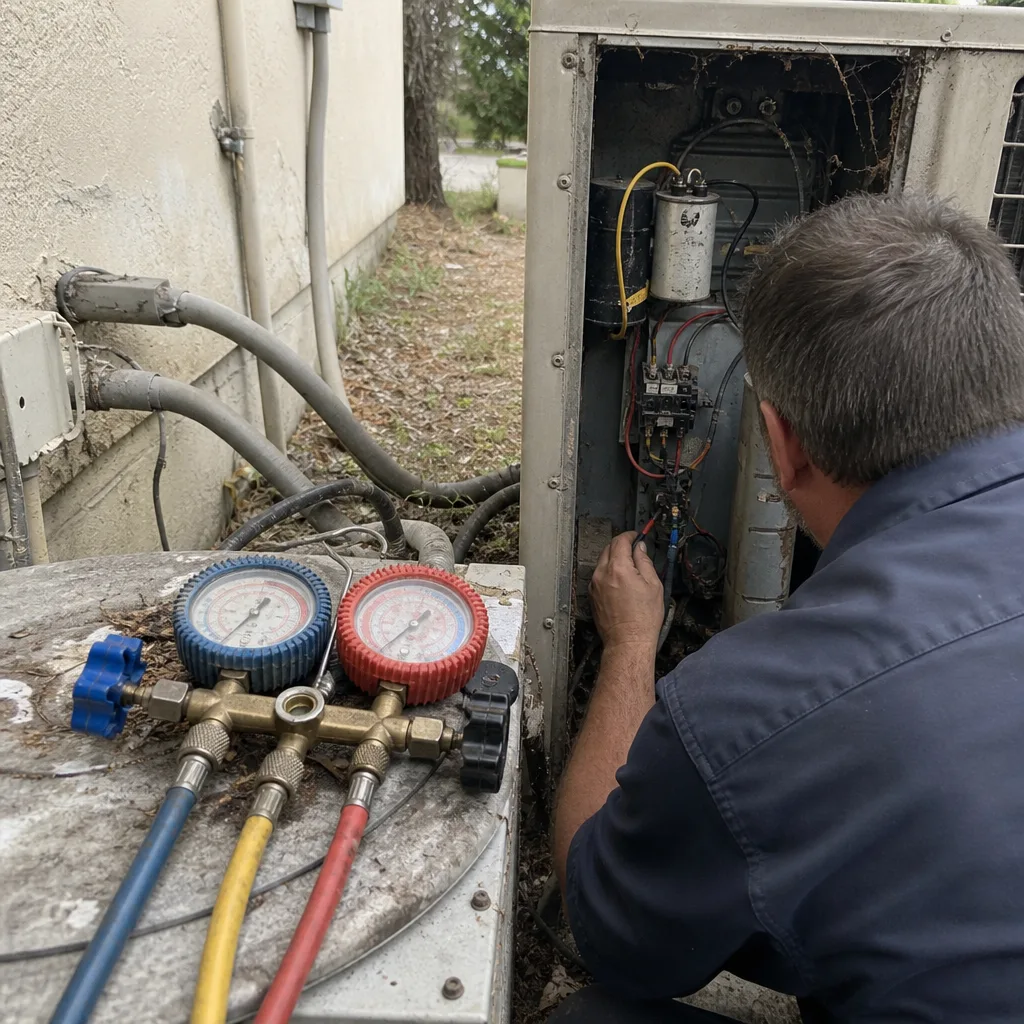
See the difference
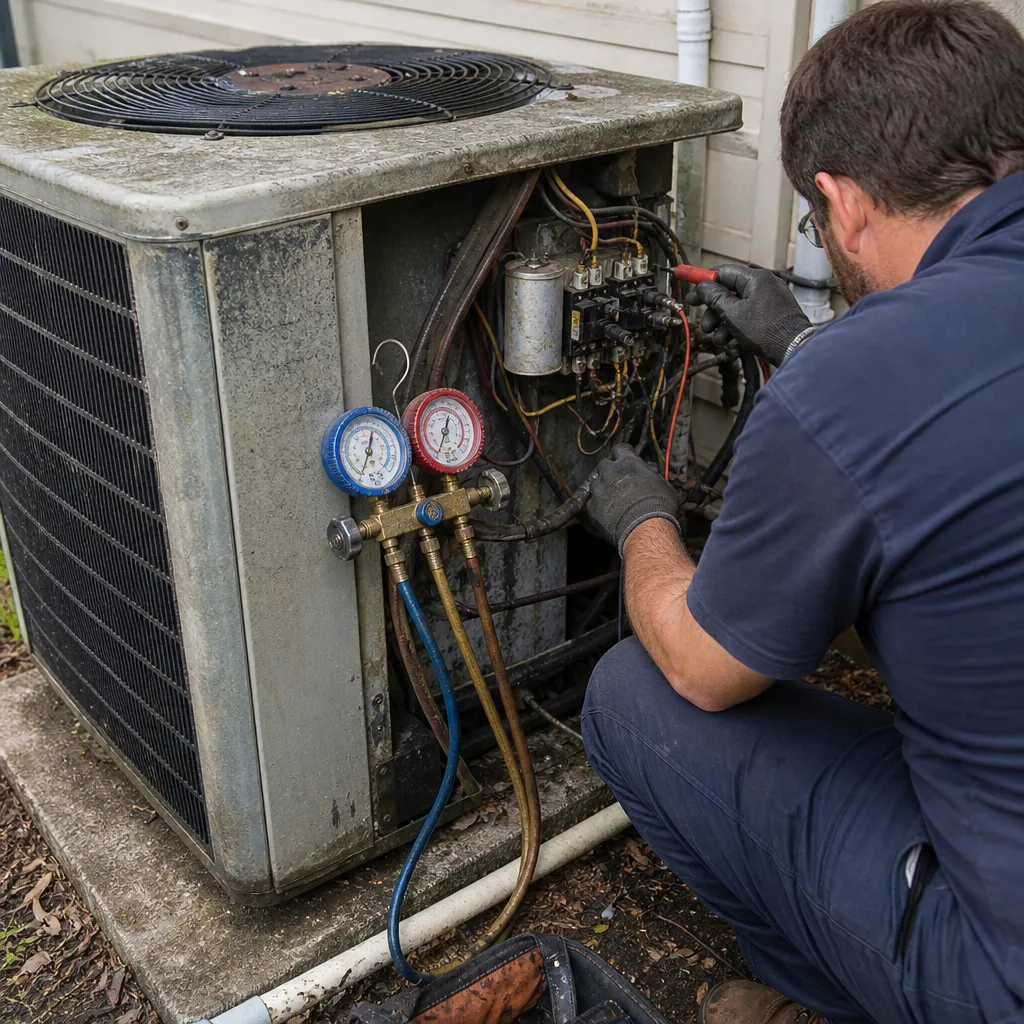 Before
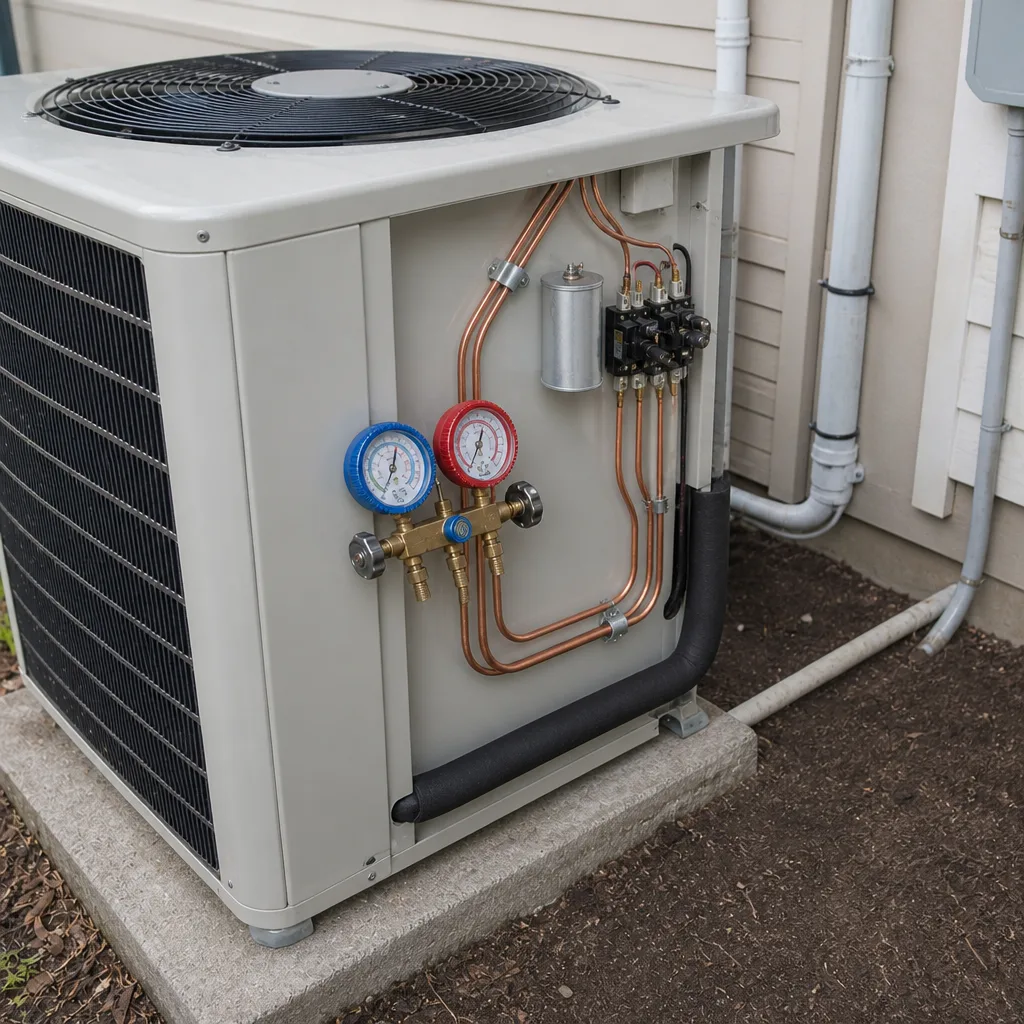 After
 Before
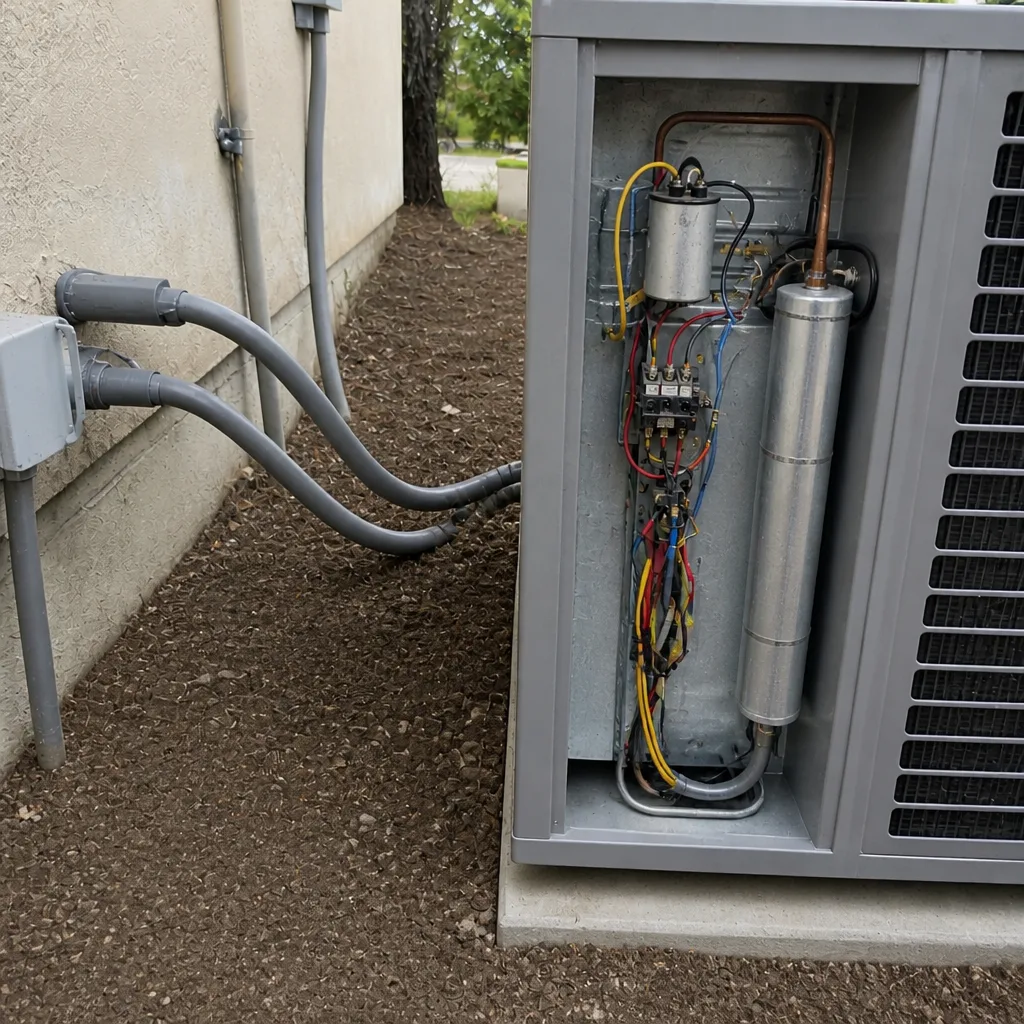 After
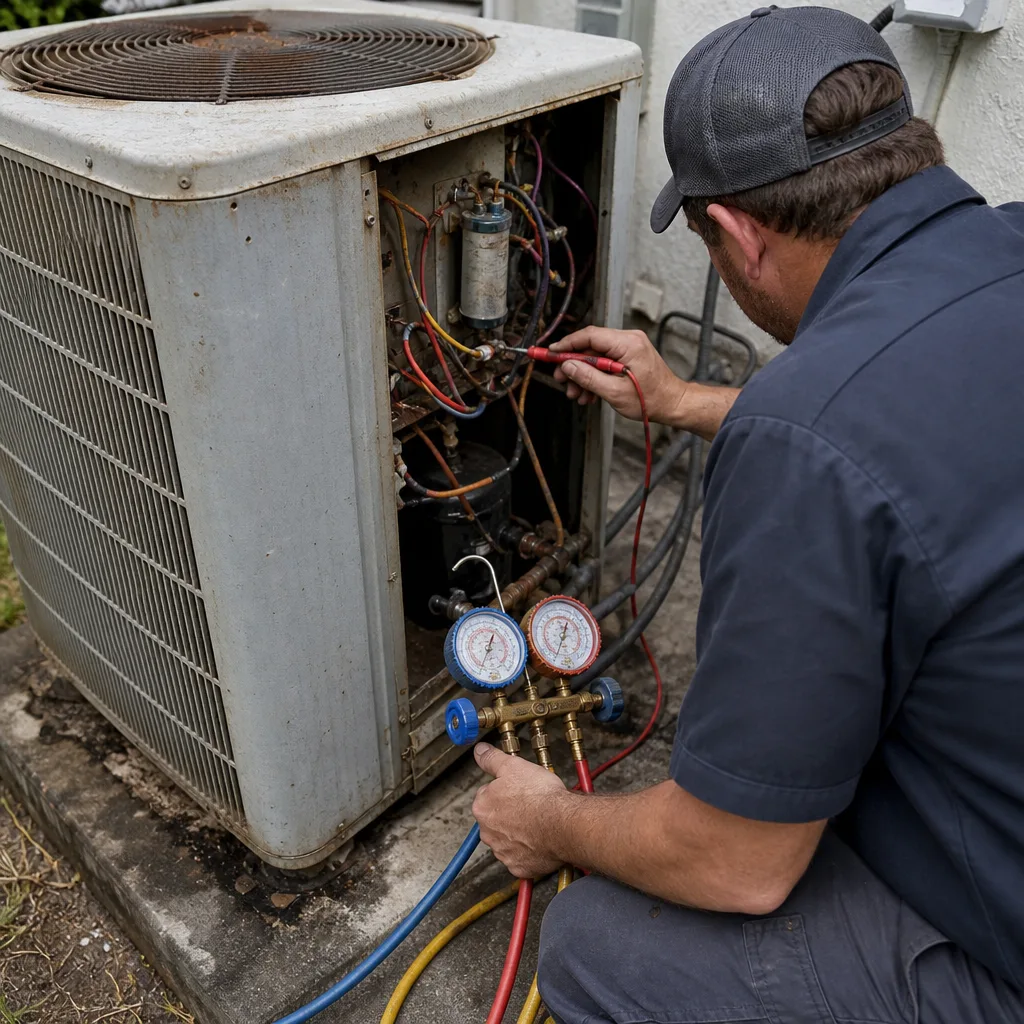 Before
 After
When to Call a Professional
Some furnace problems are clearly a job for a trained technician and a call is the right response. If you smell gas, if the furnace is producing visible soot or yellow flame, if the heat exchanger has a suspected crack, or if the furnace won’t ignite or keeps tripping its safety switch, stop and call. Gas furnace work and heat exchanger work are not DIY territory, and the diagnostics require equipment and training that a homeowner shouldn’t be asked to improvise.
Beyond safety, call a professional when the heat is failing intermittently, when the thermostat and the furnace seem to disagree about what’s happening, when the system is short-cycling, or when you’re getting quotes for replacement and want a real load calculation before you commit. Blackwell Air Conditioning offers free estimates in Fort Myers – call (833) 946-8616. We answer 24/7. Fast dispatch from 7am to 7pm, Sunday through Friday.
Frequently Asked Questions
Most standard furnace replacements take about a day once the permit is issued and the equipment is on site. More complex jobs – ductwork changes, gas line work, dual-fuel setup – can take longer. The permit timeline and equipment lead time are often the bigger variables, so ask about both when you schedule.
Most furnace replacements in Lee County require a permit, particularly when HVAC equipment is being replaced or gas piping is involved. The exact requirements can vary by jurisdiction and by scope, so confirm with Lee County or the City of Fort Myers building department before work begins. A reputable contractor will handle the permit as part of the job.
Usually not for fuel savings alone, because the heating load here is small. A higher AFUE furnace can still make sense for other reasons – quieter operation, better blower performance, or because it’s part of a dual-fuel or premium system – but don’t buy on the efficiency number alone. Look at the whole system.
It depends on your existing equipment, your fuel service, and your comfort preferences. A heat pump alone works well for many Fort Myers homes because the heating load is modest and the same system handles cooling. A furnace or dual-fuel setup may be a better fit when you have gas service already, when the heating load is significant, or when you want the assurance of backup heat on the coldest mornings. Our recommendation is based on the home’s load calculation, not on which system we’d prefer to sell.
Any of the nine major brands we service – Carrier, Trane, Lennox, Goodman, Rheem, York, Daikin, Bryant, and American Standard – can perform well when sized and installed correctly. Premium brands like Carrier, Trane, and American Standard tend to hold up well over long service lives; value-tier brands like Goodman make sense when budget is the binding constraint. What matters most is that the brand has good parts and service support in Southwest Florida, and that the installer is doing the load calculation correctly.
Repair is usually the better answer until the repair costs approach a meaningful share of a replacement, or until the equipment is failing in ways that suggest it’s near end of life. Cracked heat exchangers, repeated control board failures, and compressors nearing the end of their service life are all signs to weigh replacement seriously. In our experience, Fort Myers furnaces often get replaced on a schedule driven more by the cooling system’s life than the heating side’s, since both parts of the system usually age together. We can work with your insurer and walk through the options on a free estimate.
The Bottom Line
Furnace replacement in Fort Myers works best when you resist the national script. Focus on the load calculation, not the rule of thumb. Weigh heat pump compatibility and humidity control over small AFUE differences. Choose a brand for local service support as much as for reputation. And insist on the permit, even when it adds a step. Get those four things right, and the system in your Fort Myers home will perform the way it should. Our technicians have up to 9 years of experience across nine major brands, and we’re glad to walk you through the options without pushing you toward the equipment we’d rather sell. Call (833) 946-8616 for a free estimate.
Written by the team at Blackwell Air Conditioning.