
Last updated November 16, 2026
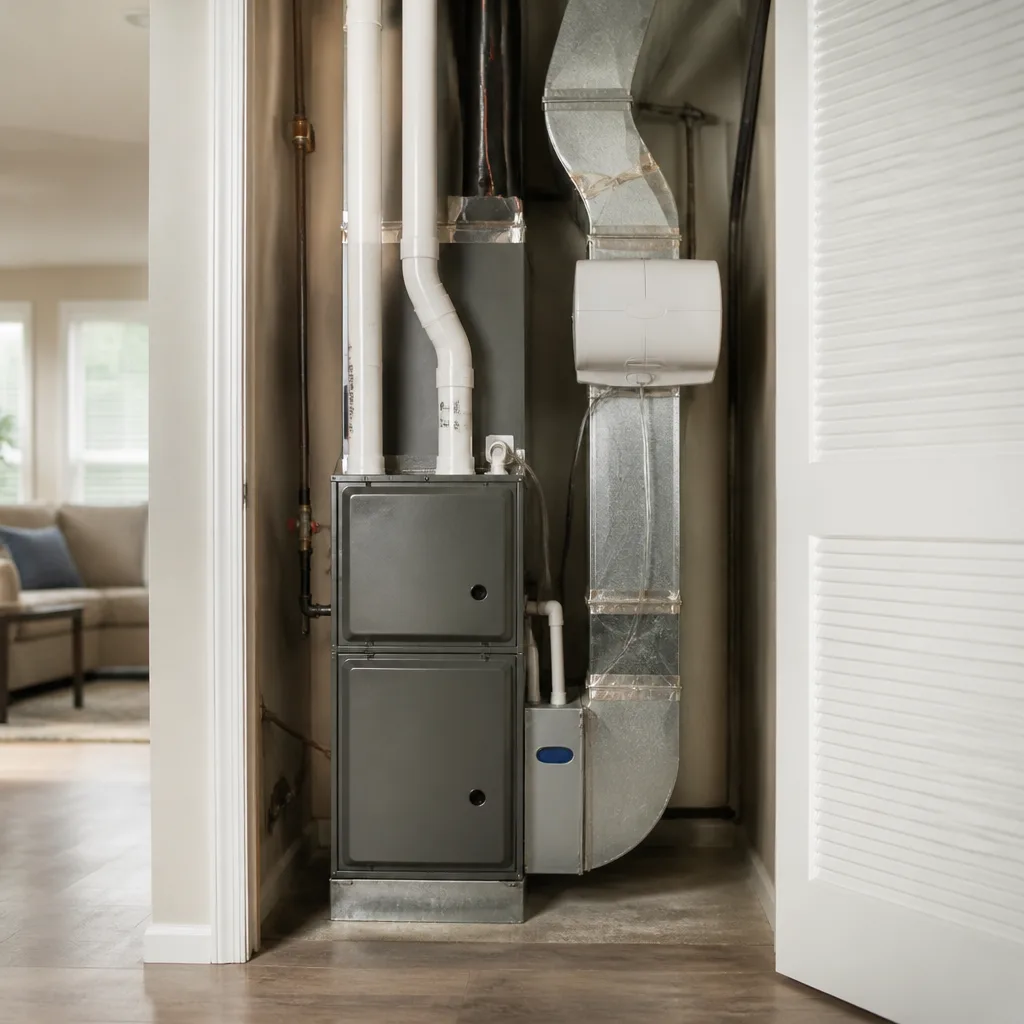 Furnace & heating
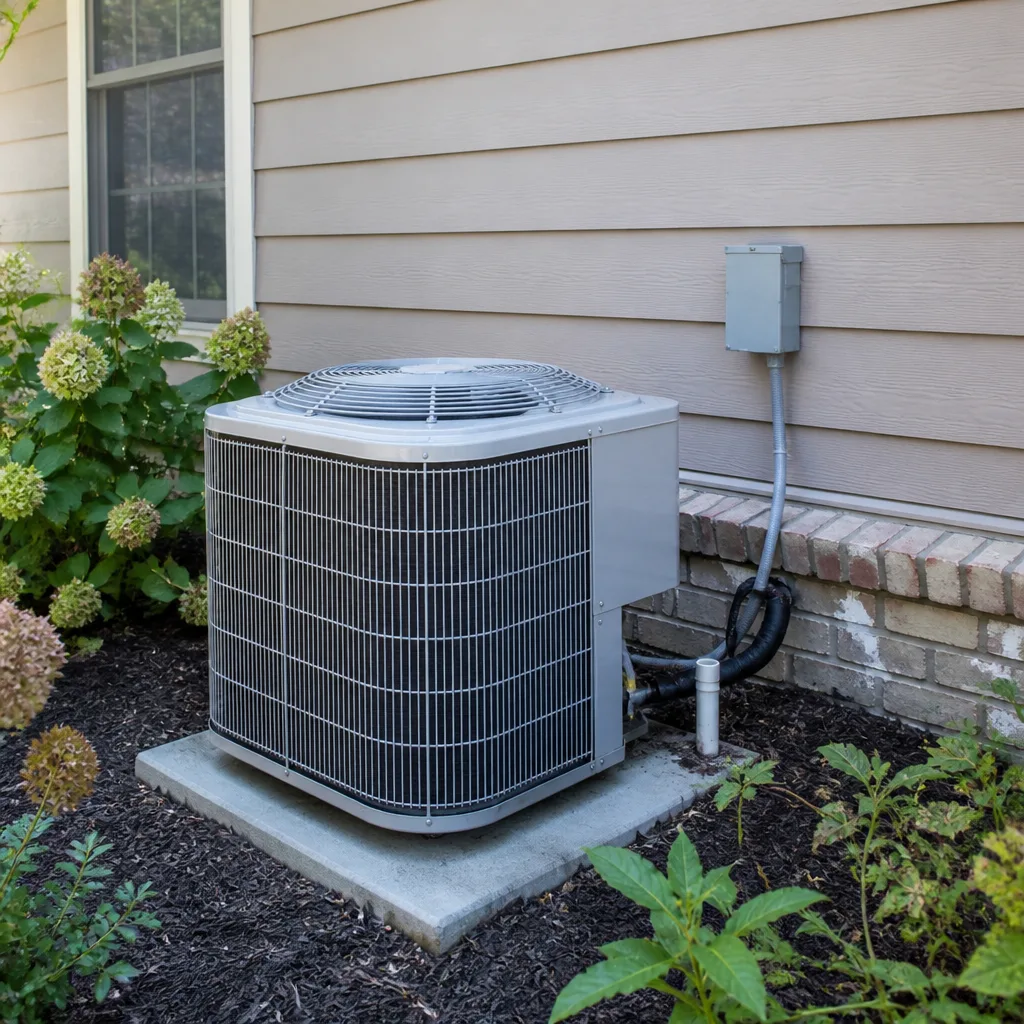 AC repair
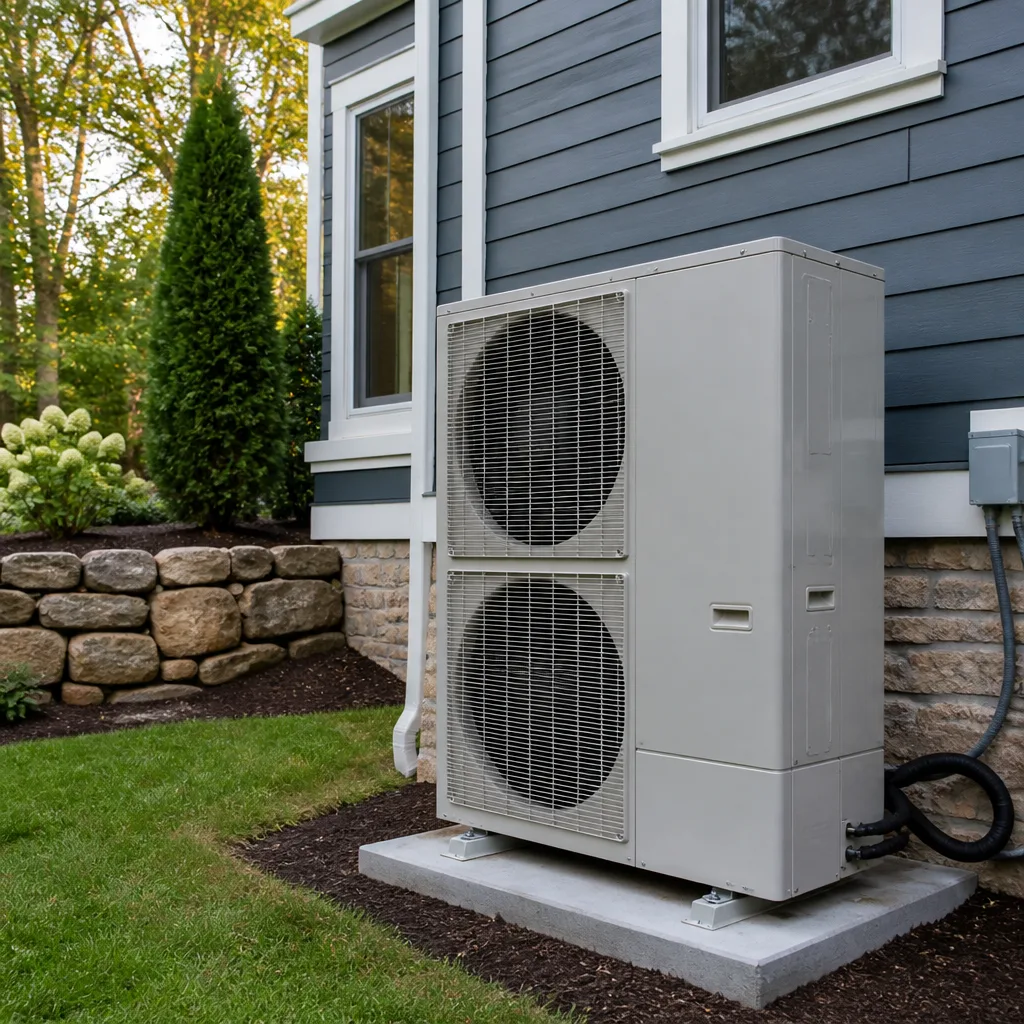 Heat pumps
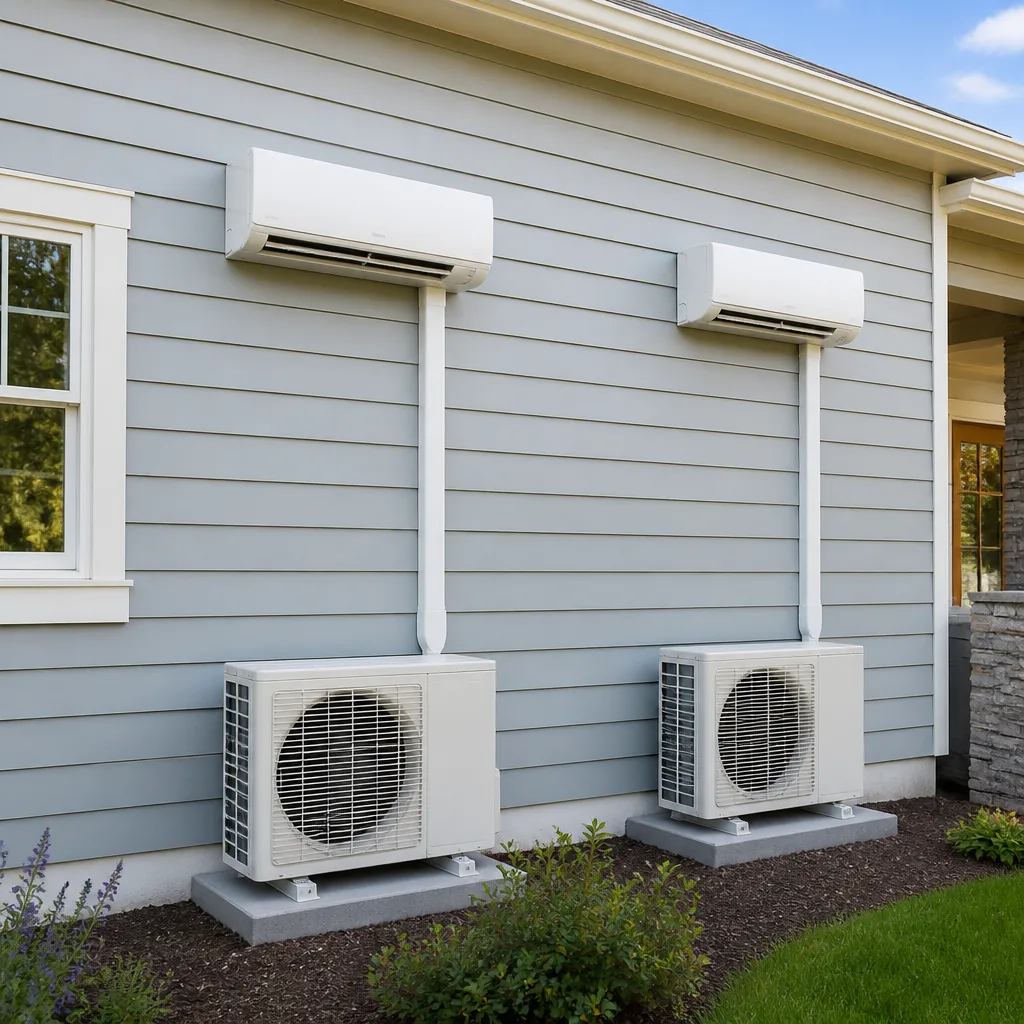 Ductless mini splits
 Carrier
 Trane
 Goodman
Seasonal tune-up and full diagnostic on your Carrier, Trane, or Goodman system - readings shown to you before any repair is proposed
Diagnosis first, numbers second - you approve the repair price before a single part goes in.
Get your free estimateFurnace Replacement Troubleshooting in Fort Myers: Common Problems and How to Fix Them
A cracked heat exchanger sounds like a death sentence for a furnace. It often isn’t. The diagnostic steps that confirm or rule out a heat exchanger problem take less than 20 minutes with the right tools, and skipping them is one of the most common ways Fort Myers homeowners end up buying a replacement they didn’t need. Persistent short cycling, weak heat, and unexplained shutdowns are three of the loudest “replace it” signals a furnace can send, and all three are frequently caused by faults a technician can fix. This guide walks through the actual diagnostic sequence for the five most common furnace complaints, explains how to read fault codes, sets out an honest repair-versus-replace threshold for our climate, and flags the moments in a technician’s pitch where you should slow down and ask another question.
Quick Answer
Most furnace problems in Fort Myers are repairable, and a furnace that cycles, fails to ignite, or shuts off unexpectedly is usually telling you about a failed component rather than a dying system. Replace the furnace when it’s at the end of its service life, when a repair costs more than a meaningful share of a new unit, or when a verified heat exchanger failure makes continued operation unsafe. Anything short of those three, get a real diagnosis first.
Styles & brands we work with
- AC repair
- Furnace & heating
- Heat pumps
- Ductless mini splits
- Carrier
- Trane
- Goodman
Table of Contents
- The Five-Complaint Diagnostic Sequence
- Reading Fault Codes Across Major Brands
- Why Dirty Evaporator Coils Mimic Furnace Failure
- The Honest Repair-vs-Replace Threshold
- Short Cycling: Causes and What They Mean
- No Ignition and Weak Airflow
- Red Flags in a Replacement Recommendation
- What Actually Prevents Premature Replacement
The Five-Complaint Diagnostic Sequence
Almost every furnace call we handle in Fort Myers starts with one of five complaints: short cycling, no ignition, weak airflow, a flashing error code, or an odd smell. Each one has a logical order of checks, and a technician who follows that order will usually land on a cause within the first visit. Here’s how the sequence works for each.
1. Short cycling. The unit fires, runs a few minutes, and shuts off before the house reaches temperature. Checks run in this order: thermostat calibration and setpoint behavior, then air filter restriction, then flame sensor condition, then high-limit switch, and finally gas pressure. A clogged filter or a dirty flame sensor accounts for a large share of these calls.
2. No ignition. The thermostat calls for heat and nothing happens. The technician checks the ignition sequence in order: call for heat at the control board, inducer motor start, pressure switch proving, igniter glow or spark, gas valve opening, flame sensing. Whichever step in that chain breaks first is the fault.
3. Weak airflow. Warm air comes out but doesn’t move. Start with the filter, then the blower wheel for debris, then the evaporator coil for blockage, then ductwork for disconnected runs or crushed flex, and only then the blower motor itself.
4. Error codes. A flashing LED or a code on the control board is a pointer, not a verdict. Match the code to the manufacturer’s table, confirm the underlying condition with a meter, and only then treat it as a diagnosis.
5. Odd odors. A dusty smell at the start of the heating season is normal. A metallic or burning smell is not, and it warrants shutting the system down and calling a technician.
The point of the sequence is that it separates symptoms from causes. A furnace that shuts off isn’t necessarily failing; it’s often protecting itself from a condition a repair can correct.
Reading Fault Codes Across Major Brands
Furnace control boards across Carrier, Bryant, Trane, Lennox, and American Standard all use the same basic language: a blinking LED or a numeric code that maps to a fault category. The codes differ between brands and even between model lines within a brand, but the categories they point to are consistent.
- Ignition lockout. The board has tried to light the burners a set number of times and given up. Usually a flame sensor, igniter, or gas supply issue.
- Pressure switch fault. The inducer isn’t proving adequate draft. Blocked flue, failed inducer, or a bad switch.
- High-limit trip. The furnace overheated and shut the burners off. Restricted airflow is the most common cause.
- Flame sensed out of sequence. The board sees flame when it shouldn’t. Often a sticking gas valve or a wiring issue.
- Rollout switch trip. A safety switch near the burners has opened. This one deserves attention, because it can indicate a flue or combustion problem.
When you call for service, the most useful thing you can do is write down the exact blink pattern or code before the technician arrives. A Carrier board that blinks a repeating pattern and a Trane board that displays a numeric code are telling a technician different things, and the code is often cleared once the unit resets. Noting it takes thirty seconds and can save a return trip.
One caution: reading the code yourself is useful, but interpreting it isn’t the same as diagnosing the furnace. A code that says “pressure switch” doesn’t tell you whether the switch failed or the flue is blocked. The technician still has to test the actual condition.
Why Dirty Evaporator Coils Mimic Furnace Failure
Here’s the Fort Myers-specific twist that trips up a lot of diagnoses: in a split system, the furnace and the air conditioner share the same air handler and the same evaporator coil. Florida’s humidity means that coil stays wet for much of the year, and wet coils collect dust, pollen, and biological growth far faster than coils in dry climates. When that coil gets restricted, it starves the furnace of airflow.
The symptoms look exactly like a furnace problem:
- The furnace short cycles because the high-limit switch keeps tripping.
- Heat output feels weak even though the burners are fine.
- The blower runs longer than it should.
- The system shuts off before the thermostat is satisfied.
A technician who only looks at the furnace will diagnose a failing furnace. A technician who checks the coil first will find a restricted evaporator and clean it, and the furnace behaves normally again. This is one of the most common misdiagnoses we see in Fort Myers, and it’s the reason our diagnostic sequence checks airflow before it checks combustion. If you’ve been told your furnace needs replacing and nobody has looked at the evaporator coil, ask them to.
Humidity also drives condensate issues. A furnace in a Florida attic or closet deals with more moisture in the surrounding air than the same unit would in a dry climate, and that can corrode components faster. It’s a reason to check electrical connections and the flame sensor during service, not a reason to replace a furnace prematurely. Cleaning the coil and changing filters on a realistic schedule does more for furnace life here than most homeowners realize.
The Honest Repair-vs-Replace Threshold
The national “replace at 15 to 20 years” rule doesn’t translate well to Southwest Florida. Our heating season is short. A furnace in Fort Myers might run for a fraction of the hours it would run in Minneapolis. That means the heating components often age more slowly in runtime terms than the calendar suggests, while the shared air handler and coil age at a normal pace. The practical benchmarks look different.
- Under 10 years, one repair. Repair. Unless the repair touches the heat exchanger, this is a fix.
- 10 to 15 years, single-component fault. Repair is usually still the right call. A blower motor, igniter, flame sensor, or control board is a routine replacement, not a death sentence.
- 10 to 15 years, second major repair in two years. Start planning for replacement. Not urgent, but the math starts to lean that way.
- 15-plus years, heat exchanger failure confirmed by a qualified technician. Replace. A failed heat exchanger is a safety issue and no repair restores it.
- Any age, repair cost approaching a meaningful share of a new system. Get quotes on both and compare. A written estimate on replacement makes the decision concrete instead of emotional.
We repair before we recommend replacement, and the reason is practical: a furnace that can be fixed for a modest cost doesn’t need to be replaced, and a homeowner who replaces a repairable furnace spends money they didn’t need to. The reverse is also true, and we say so. A heat exchanger that has actually failed is not a repair, it’s a replacement, and continuing to run a furnace with a failed heat exchanger is a safety risk. If a technician tells you the heat exchanger is cracked, ask to see it. The visual evidence or a combustion test result should be shown to you.
When replacement is the answer, the work is scheduled rather than done the same day. A replacement requires a load calculation for the home, a written fixed price, and a confirmed install date. In Fort Myers, the right equipment choice is driven by the home’s load and your budget, not by whichever brand the contractor carries. We’re authorized to install and service Carrier, Trane, Lennox, Goodman, Rheem, York, Daikin, Bryant, and American Standard, so the recommendation is about the house, not the vendor contract.
Short Cycling: Causes and What They Mean
Short cycling is the most common “replace the furnace” trigger we see, and it’s the one most often caused by something fixable. A furnace that fires, runs for a few minutes, shuts off, and repeats is doing exactly what its safety controls are designed to do. The question is which control is complaining, and why.
- Check the filter. A clogged filter restricts airflow, the high-limit switch trips, the burners shut off, the blower keeps running until the limit resets, and the cycle begins again. This is a filter change, not a furnace replacement.
- Check the thermostat. A thermostat placed near a heat source, a supply register, or in direct sun can read the room wrong and satisfy the setpoint early, shutting the furnace off before the house is actually warm.
- Check the flame sensor. A dirty flame sensor reads a weak flame signal and shuts the burner down mid-cycle. Cleaning or replacing the sensor is a routine service item.
- Check the high-limit switch itself. The switch can fail and open at a lower temperature than it should. Replacing it is a small job.
- Check for oversized equipment. If the furnace was sized wrong when installed, it will heat the space too fast and short cycle no matter what you do to it. This is a sizing problem, and it can only be corrected by replacement or by adjusting the installation.
Four of those five causes are repairs. Only the last one points at the equipment itself, and even then, an oversized furnace can sometimes be corrected by blower and control adjustments before replacement is considered. If a technician looks at a short-cycling furnace and skips straight to the replacement quote, ask why.
No Ignition and Weak Airflow
No ignition and weak airflow are the two complaints that most often get bundled into “your furnace is dying.” Neither one deserves that conclusion without a diagnosis.
No ignition. The furnace calls for heat and nothing happens. Walk the ignition chain:
- Does the thermostat signal reach the control board? A thermostat or wiring fault is a small repair.
- Does the inducer motor start? No start means a failed inducer, a capacitor, or a control board fault.
- Does the pressure switch prove? A blocked flue or a failed switch stops the sequence here.
- Does the igniter glow or spark? A failed igniter is a common, inexpensive fix.
- Does the gas valve open? Gas supply, valve, or board fault.
- Does the flame sensor confirm flame? A dirty sensor shuts the burner down seconds after ignition.
Notice how many of those steps are small components. A no-ignition call is one of the best candidates for repair rather than replacement, provided the heat exchanger and flue are sound.
Weak airflow. The furnace is running but the registers feel tepid. Airflow problems trace back to the same suspects: filter, blower wheel, evaporator coil, ducts, and blower motor, usually in that order. In Fort Myers homes with long attic duct runs, crushed or disconnected flex duct is a frequent find, and it’s a duct repair rather than a furnace issue. A blower motor that’s failing is a real repair, but it’s a component replacement, not a system verdict.
One safety note. Anything involving combustion, the flue, the gas valve, or the heat exchanger belongs with a trained technician. We don’t publish step-by-step instructions for those parts of the furnace, because a mistake there is genuinely dangerous. If you smell gas, leave the area and call your gas utility first.
Red Flags in a Replacement Recommendation
Most technicians are honest, and most replacement recommendations are correct. But the industry does have a habit of reaching for the replacement quote faster than the diagnosis supports, and there are a few moments in the conversation where it’s fair to ask another question.
- No diagnostic readings are offered. A real diagnosis involves meter readings: temperature rise, static pressure, flame signal, ohms on a sensor. If the recommendation arrives without any of that, ask to see the numbers.
- “It’s old” is the only reason. Age is a factor, not a diagnosis. A 16-year-old furnace with a failed igniter and a sound heat exchanger is a repair.
- The heat exchanger claim isn’t shown. A cracked heat exchanger is a serious finding and it should be shown to you, or confirmed with a combustion test. If you can’t see it or get a clear explanation, get a second opinion.
- The quote comes before the questions. A technician who recommends replacement without asking about the other half of the system or looking at the evaporator coil has skipped the most Fort Myers-specific check there is.
- Only one brand is quoted. If a technician can only offer one manufacturer, the recommendation is shaped by inventory. A brand-neutral recommendation compares the home’s load to equipment options across tiers, from premium to value.
- Pressure to decide today. A replacement is a scheduled project. Nobody needs to sign a contract on the spot, and a company that offers a written fixed price will put it in writing and let you compare.
One more thing: the person diagnosing your furnace should be able to explain what’s wrong in plain language. If the explanation is technical theater, the diagnosis is worth a second opinion.
What Actually Prevents Premature Replacement
The furnaces that live out a full service life in Fort Myers share a few habits. None of them are exotic, and all of them cost less than a replacement.
- Filter changes on a real schedule. In our climate the coil and blower load up faster than in dry regions, so filters matter more here than the box suggests.
- Annual service before the heating season. A technician checks the flame sensor, igniter, inducer, pressure switch, and heat exchanger before the first cold snap, when a failed component is inconvenient rather than urgent.
- Coil cleaning. The evaporator coil is the half of your system most likely to cause a furnace symptom, so it deserves routine attention.
- Duct inspection. Crushed or disconnected duct in an attic is common in Fort Myers homes, and it looks like a furnace problem from the thermostat.
- Keeping the parts you’d replace anyway. Igniters, flame sensors, and control boards are components. Treating them as service items extends the life of the rest of the system.
When maintenance does turn up a real failure, that’s the moment to talk about repair versus replacement, using the thresholds above. Our technicians aren’t paid on what they sell, so the conversation stays on the diagnosis.
Common Mistakes to Avoid
- Treating short cycling as a death sentence. It’s the most repairable complaint on the list. A filter and a flame sensor fix a large share of them.
- Skipping the evaporator coil check. In Fort Myers, a restricted coil is one of the most common causes of furnace symptoms, and a diagnosis that never looks at it is incomplete.
- Reading a fault code as a verdict. A code points to a system. The technician still has to test the actual component.
- Accepting a replacement without seeing the heat exchanger evidence. Ask to see it, or ask for a combustion test. A real failure is a real finding.
- Comparing only one brand. The right system for your home may be a value-tier unit as easily as a premium one. A brand-neutral recommendation compares options.
- Ignoring ductwork. A perfect furnace with a crushed duct still heats poorly, and the furnace gets the blame.
- Waiting for a failure in July. If you’re near the replacement threshold, doing it on your schedule beats doing it on the furnace’s schedule.
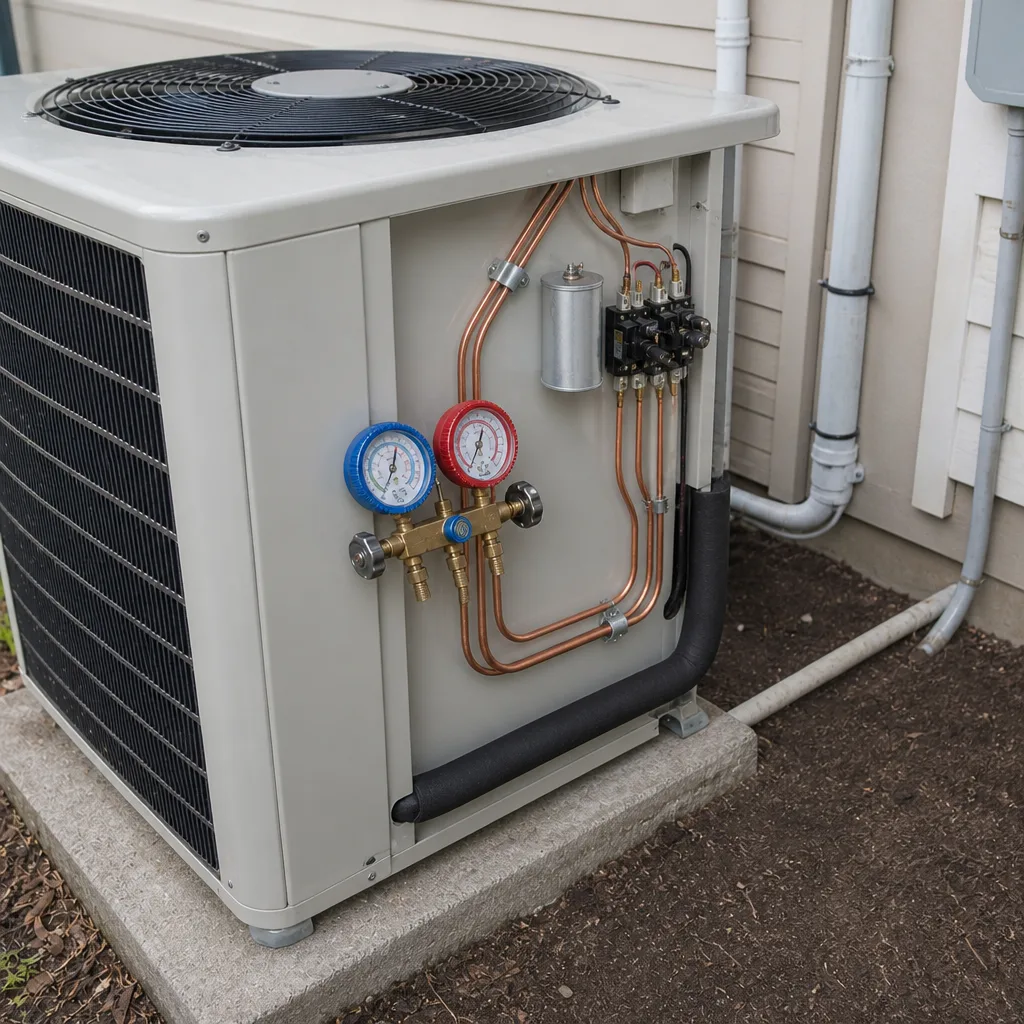
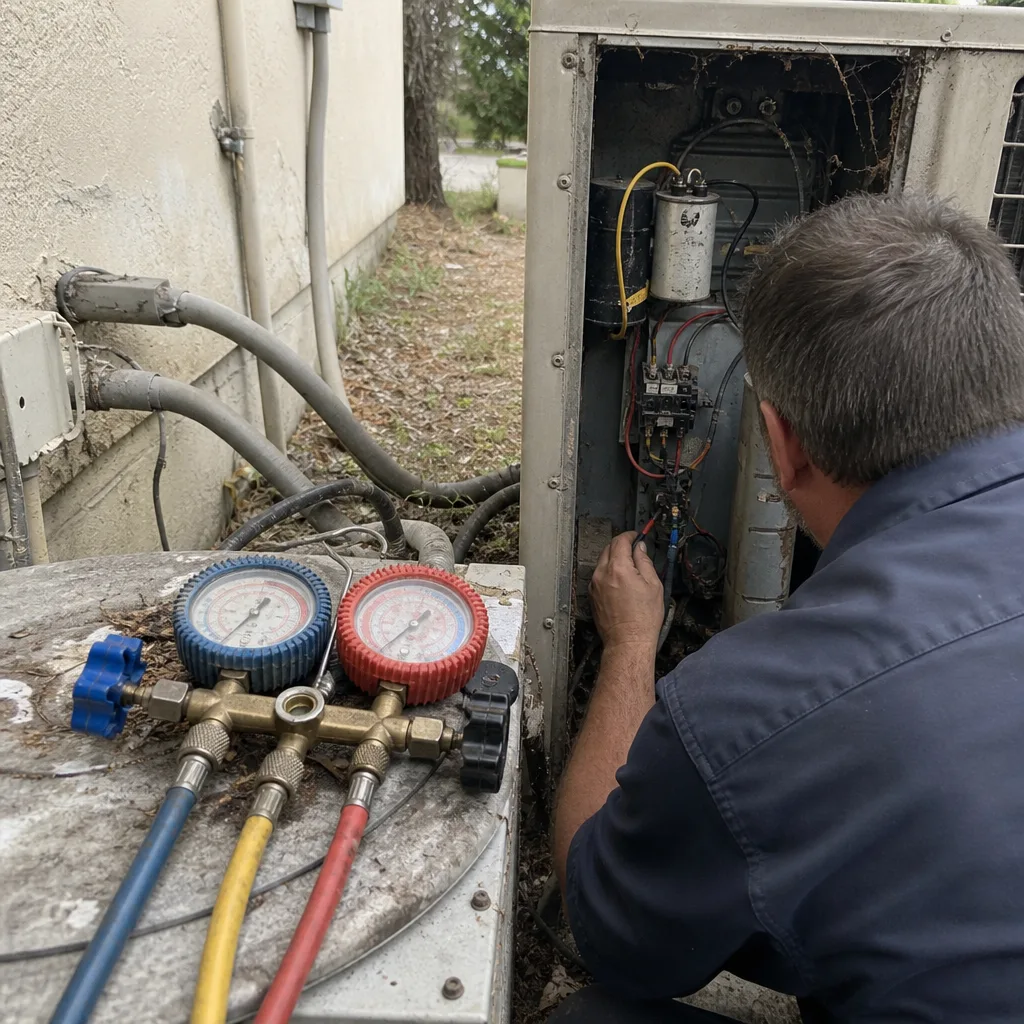
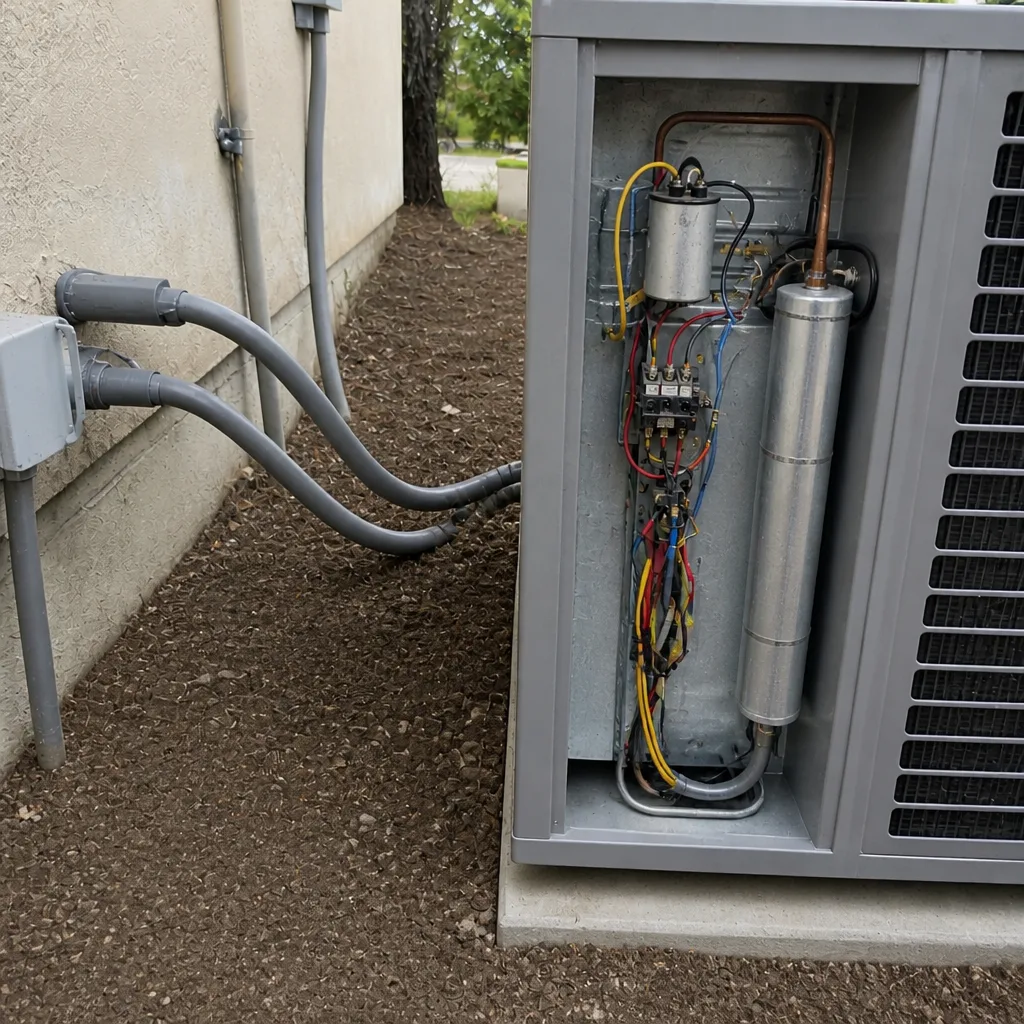
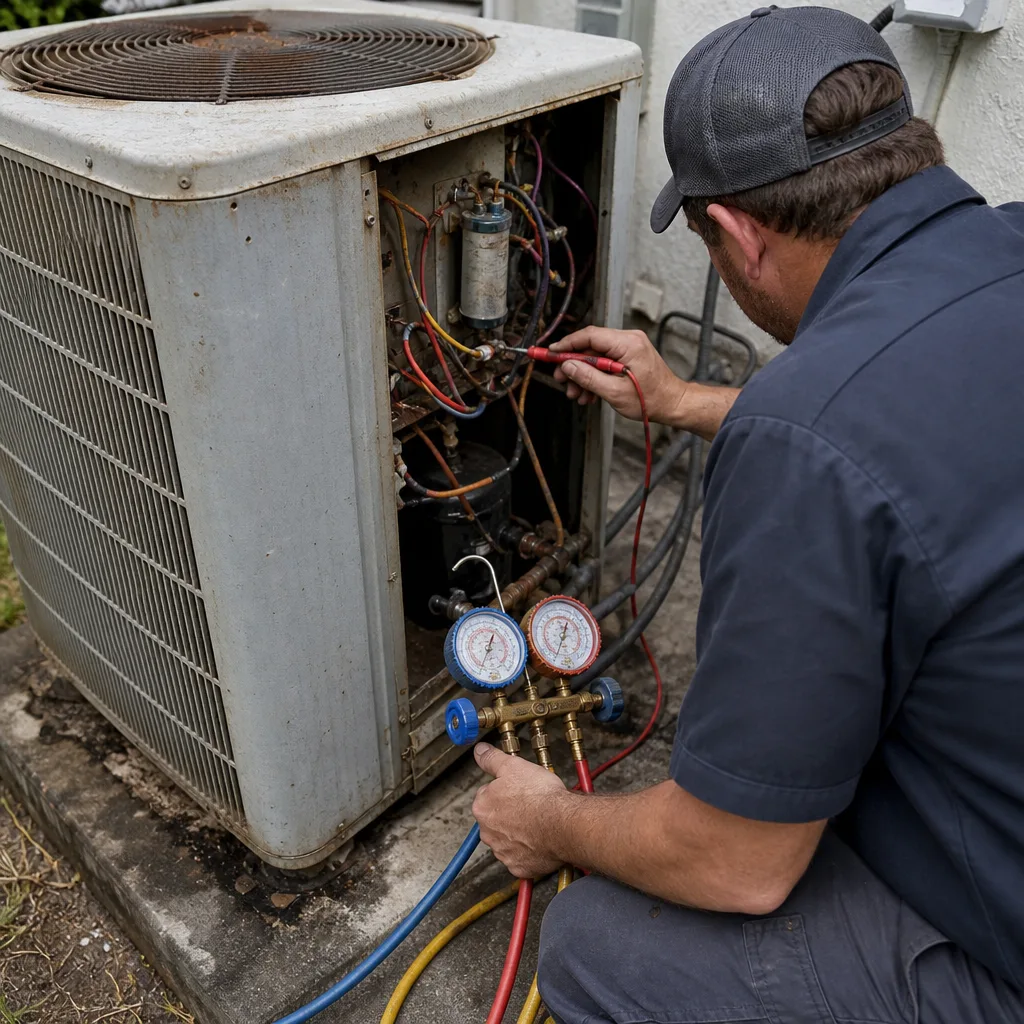
See the difference
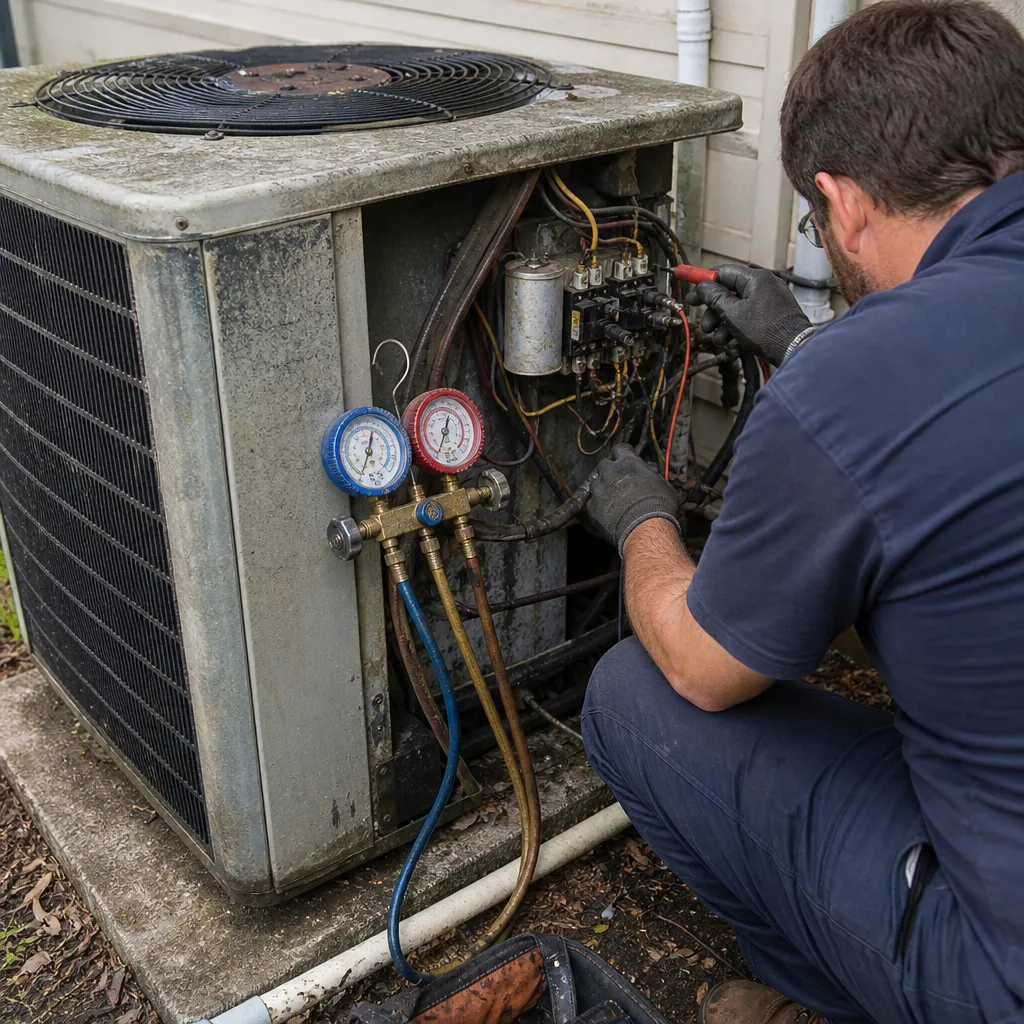 Before
 After
 Before
 After
 Before
 After
When to Call a Professional
Call a technician if your furnace smells of gas or burning, if a rollout switch has tripped, if you’ve been told the heat exchanger is cracked, or if you’ve been given a replacement quote without a diagnosis you can follow. Call for repeated short cycling that survives a filter change, for a furnace that won’t ignite, for weak heat output, or for any fault code you can’t interpret. If you live in a Fort Myers home where the furnace and air conditioner share an air handler, a technician who works both sides of the system will catch coil and duct problems that a heating-only contractor may miss. We handle furnace replacement and furnace repair alongside cooling work, so one call covers the whole system, and furnace repair often resolves what looks like a replacement. Blackwell Air Conditioning offers free estimates in Fort Myers. Call (833) 946-8616. We answer 24/7. Fast dispatch from 7am to 7pm, Sunday through Friday.
Frequently Asked Questions
Repair first, unless the heat exchanger has failed, the unit is 15-plus years old with a second major repair in two years, or a repair approaches a meaningful share of a new system’s cost. Anything short of those three, a proper diagnosis usually finds a fixable component. Call (833) 946-8616 for an exact quote. Estimates are free.
Short cycling is repeated on-off cycles that never satisfy the thermostat. A furnace that runs, heats the house, and shuts off normally isn’t short cycling. If the burners light, shut off within a few minutes, and repeat, check the filter first and then call for service. Estimates are free.
A fault code maps to a category of problem: ignition lockout, pressure switch, high-limit trip, flame out of sequence, or rollout switch. Write down the blink pattern before the unit resets. The technician still has to test the actual component, since the code points to the system, not the part.
Yes, same-day service is available for furnace problems in Fort Myers. Call (833) 946-8616. We answer 24/7. Fast dispatch from 7am to 7pm, Sunday through Friday.
Pricing is set per job by a written estimate after a load calculation, so it depends on the home and the equipment tier you choose. We install Carrier, Trane, Lennox, Goodman, Rheem, York, Daikin, Bryant, and American Standard, which means the recommendation can be matched to your budget rather than to a single brand. Call (833) 946-8616 for a free estimate. Same-day service is available.
Because the furnace and the air conditioner share the air handler and evaporator coil, a restricted coil starves the furnace of airflow and triggers the same symptoms a failing furnace produces. In Fort Myers humidity, dirty coils build up fast, so a diagnosis that skips the coil is incomplete.
No. A failed heat exchanger can allow combustion gases into the home, so it should be shut down and replaced rather than repaired. Ask to see the evidence or request a combustion test before accepting the diagnosis.
Do I need a permit for furnace replacement in Fort Myers?
Most cities and counties require a permit for a furnace replacement, and permit rules vary by jurisdiction. Ask your city or county building department to confirm what applies to your address before the work begins.
The Bottom Line
The three loudest replacement triggers in Fort Myers furnaces – short cycling, weak heat, and unexplained shutoffs – are frequently fixable faults, not equipment failure. A proper diagnosis walks the sequence, checks the evaporator coil that shares space with the furnace, and reads the fault code as a pointer rather than a conclusion. Replace when the heat exchanger has failed, when the age and repair history line up, or when the repair cost approaches a replacement. Below that, repair. If you’ve been given a replacement quote without a diagnosis, get a second opinion from a company that repairs before it replaces, and calls the diagnosis in plain language. Heating and cooling belong with one contractor, and the right system for your home starts with an honest look at what’s actually wrong.
Ready for a straight diagnosis? Call Blackwell Air Conditioning at (833) 946-8616 for a free estimate. We answer 24/7. Fast dispatch from 7am to 7pm, Sunday through Friday.
Written by the team at Blackwell Air Conditioning.