
Last updated November 16, 2026
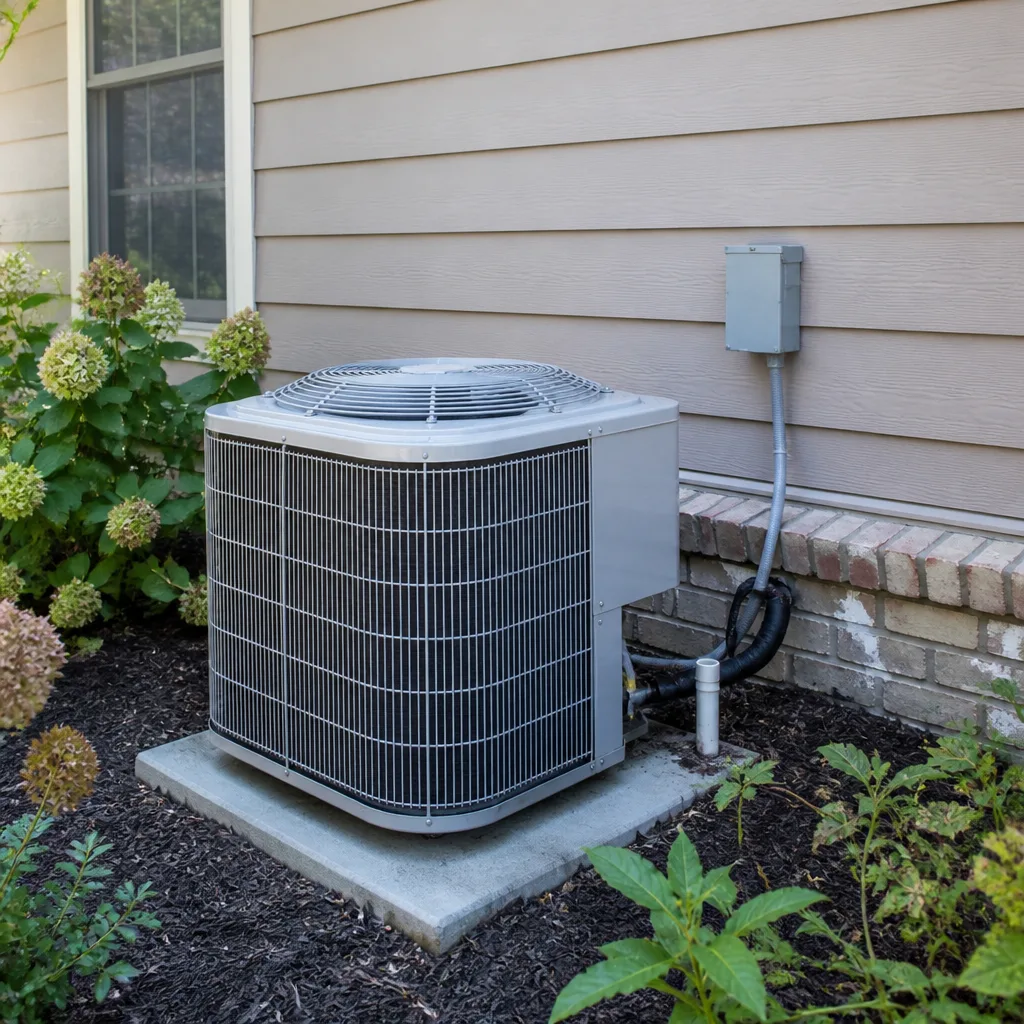 AC repair
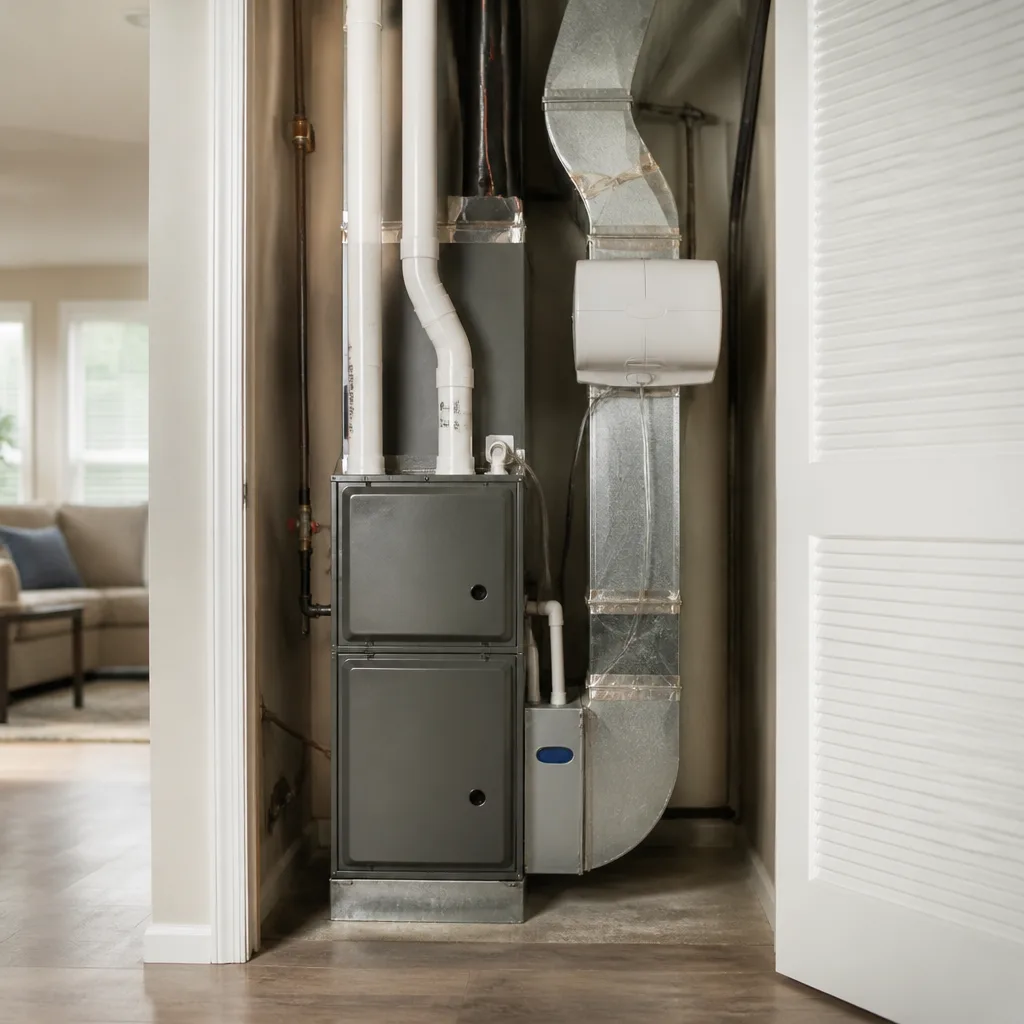 Furnace & heating
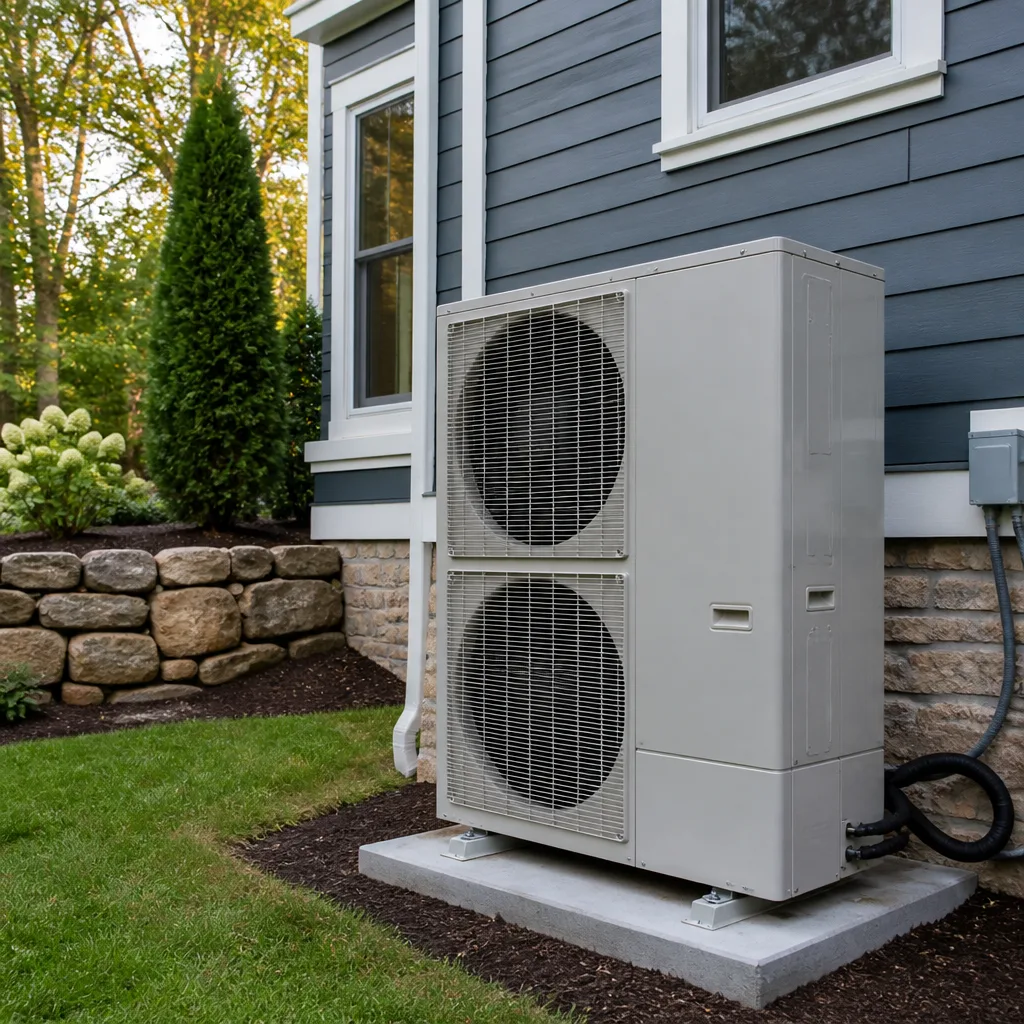 Heat pumps
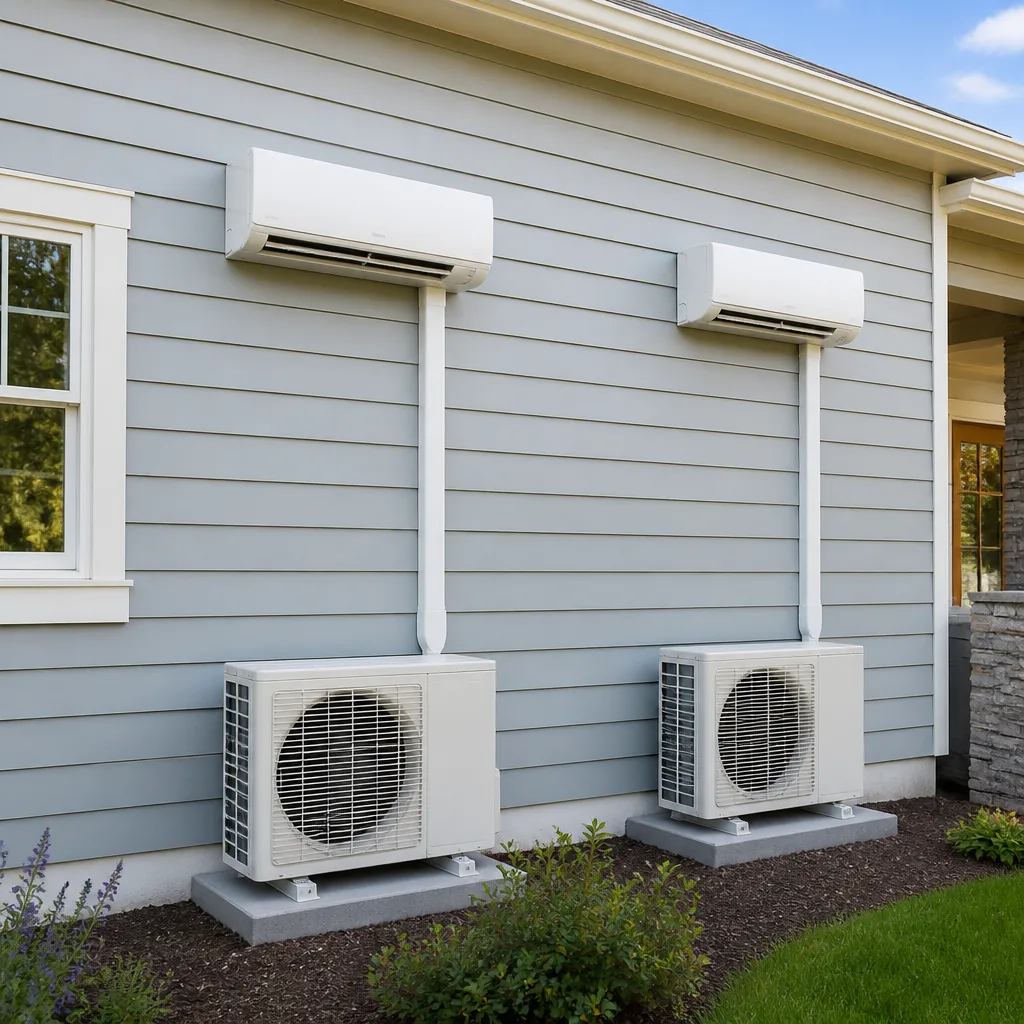 Ductless mini splits
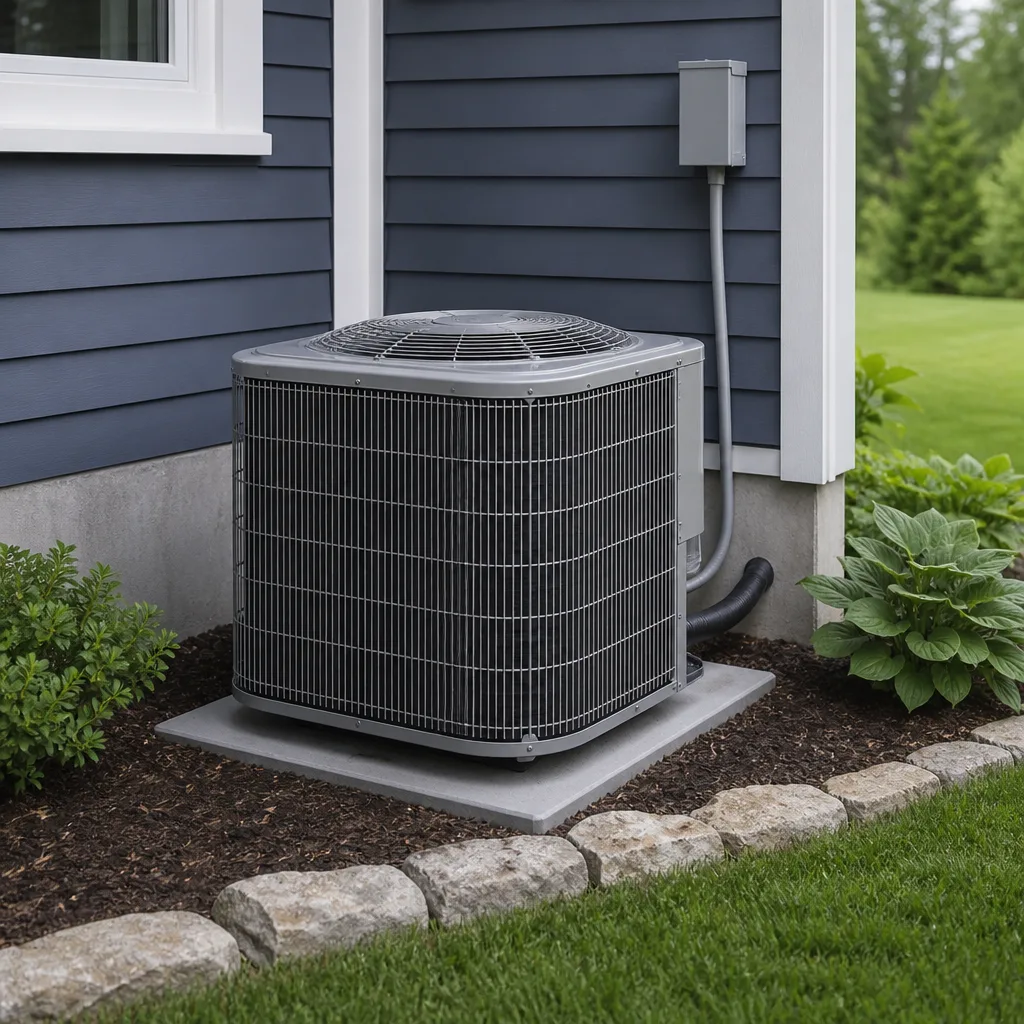 Carrier
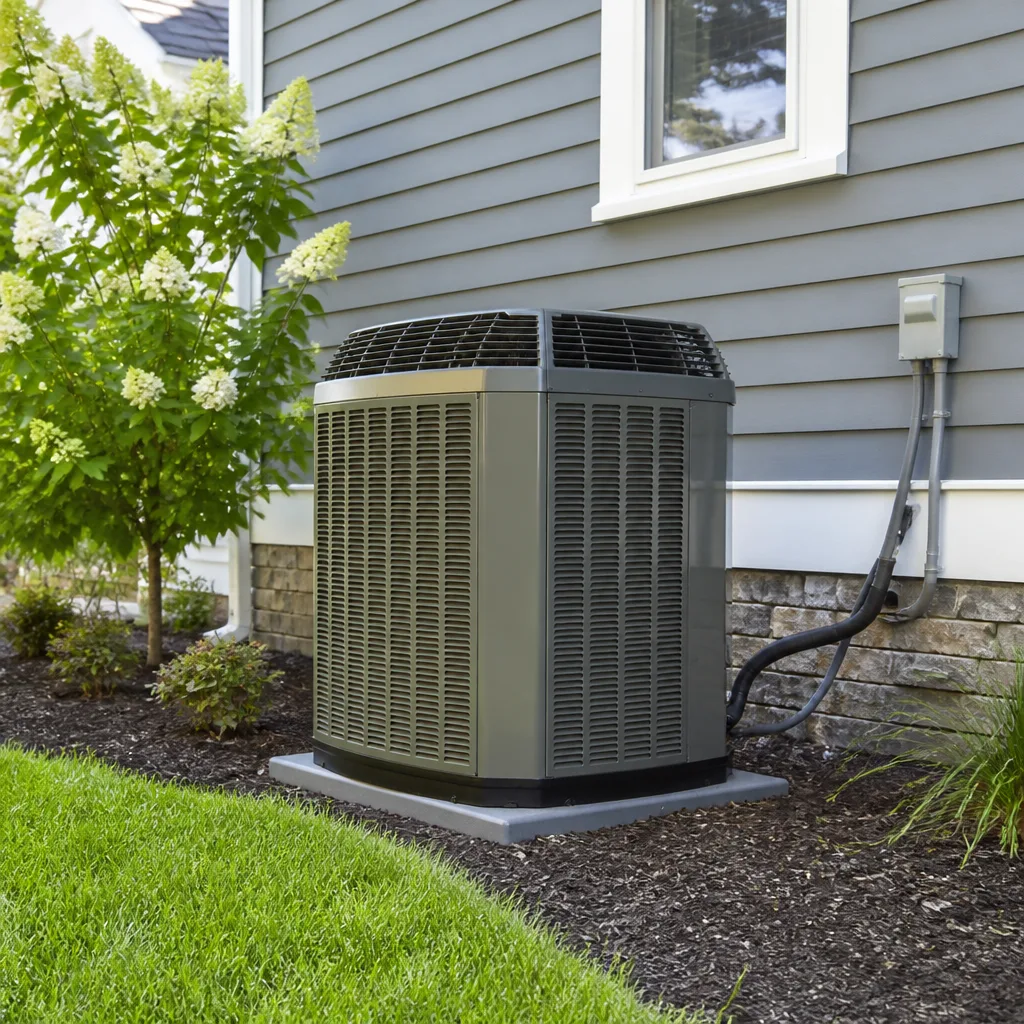 Trane
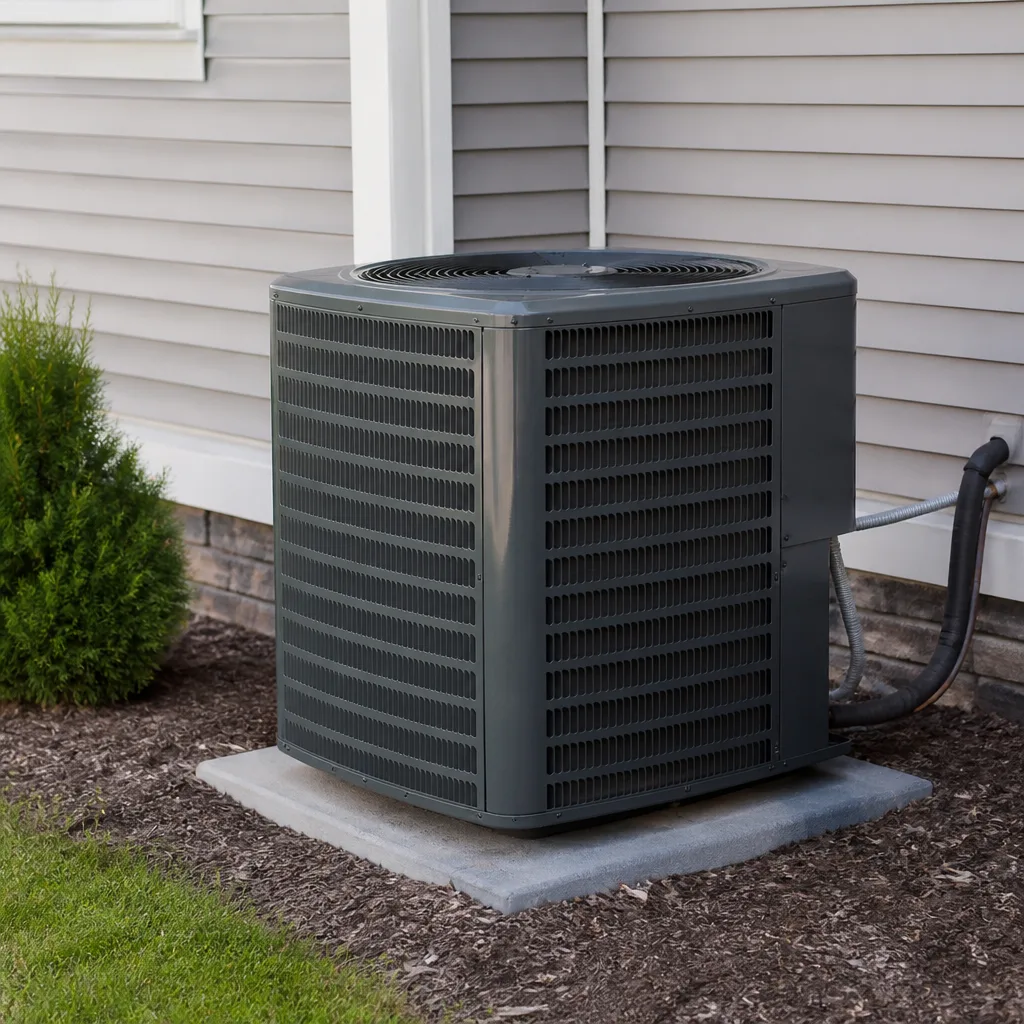 Goodman
Seasonal tune-up and full diagnostic on your Carrier, Trane, or Goodman system - readings shown to you before any repair is proposed
Diagnosis first, numbers second - you approve the repair price before a single part goes in.
Get your free estimateDIY vs Professional HVAC: The Fort Myers Homeowner’s Decision Guide
Replacing your own air filter is DIY. Recharging your own refrigerant is a federal violation. Most homeowners already sense both of those truths, but the wide middle ground between them is where things get murky. Coil cleaning, condensate line clearing, thermostat swaps, capacitor replacement: some of these are safe weekend tasks, others can void a manufacturer warranty or put you on the wrong side of Florida’s contractor licensing law. And the guides you’ll find online rarely agree with each other. This guide maps the line for Fort Myers homeowners, task by task.
Quick Answer
In Fort Myers, you can legally and safely handle filter changes, condensate drain tablets, coil fin straightening, and thermostat battery replacement yourself. Anything involving refrigerant, electrical components inside the air handler, gas connections, or the compressor requires a licensed contractor under Florida law. DIY repairs on those components can void manufacturer warranties, complicate insurance claims, and create permit liability that follows the property.
Styles & brands we work with
- AC repair
- Furnace & heating
- Heat pumps
- Ductless mini splits
- Carrier
- Trane
- Goodman
Table of Contents
- What Florida Law Actually Says About DIY HVAC Work
- Safe DIY Tasks for Fort Myers Homes (Step by Step)
- The High-Risk DIY Repairs That Go Wrong in Florida
- How DIY Touches Your Manufacturer Warranty
- The Math: Professional Maintenance vs. Compressor Replacement
- Why Fort Myers Systems Wear Differently
- A Decision Framework for Every Common Repair
- Common Mistakes to Avoid
What Florida Law Actually Says About DIY HVAC Work
Florida Statute 489 governs contractor licensing, and Chapter 489, Part I specifically covers air-conditioning and refrigeration contractors. The statute defines “contracting” broadly: it’s not just installation of new equipment but any work that requires a license under the chapter. A “CAC” license (Class A, B, or C air-conditioning contractor) is what authorizes the work. The plain-language translation for homeowners matters more than the statute number: if the task involves refrigerant handling, gas piping, or the electrical connections inside the air handler or condenser, it belongs to a licensed contractor.
The line gets tested in ways that surprise people. Homeowners can legally replace a thermostat, change filters, flush a condensate drain with vinegar, and straighten bent coil fins with a fin comb. Those activities are considered routine maintenance and don’t require licensure. Refrigerant, on the other hand, is regulated federally by the EPA under Section 608 of the Clean Air Act. It’s illegal for anyone without proper certification to buy, handle, or discharge refrigerant. The over-the-counter cans sold at hardware stores are not a legal workaround; the fine for knowingly venting refrigerant is significant, and it applies to homeowners and contractors alike.
Permits add another layer. Replacing a complete system, adding a new circuit, or doing significant ductwork almost always requires a permit in Fort Myers and Lee County. Those permits have to be pulled by a licensed contractor and inspected by the county. Work done without a permit can cause problems on resale, on insurance claims, and if the county later requires it to be opened up and redone. Ask your city’s building department when a permit is required for HVAC work, and don’t assume a small-sounding job is exempt.
What this means practically for a Fort Myers homeowner: routine maintenance is yours. Anything that touches the sealed refrigerant circuit, the electrical panel connections, or gas lines is not. The gray areas in between are where a phone call and a free estimate cost less than a redo.
Safe DIY Tasks for Fort Myers Homes (Step by Step)
These are the tasks you can do yourself with confidence. They take minutes, cost almost nothing, and they genuinely extend equipment life in the Florida heat-load climate where systems run most of the year.
- Monthly filter check. Pull the filter and hold it up to a light. If you can’t see through it clearly, replace it. In Fort Myers, a filter that lasts three months in a mild climate may need changing every 30 days during the peak cooling season because the system runs more hours. Use the filter’s MERV rating recommended for your equipment; going too high can restrict airflow.
- Condensate drain pan tablets. Drop a pan tablet into the drain pan monthly during cooling season. It inhibits the biological growth that clogs drain lines and causes water to back up into the air handler closet, ceiling, or floor. This is the single cheapest protection against the most common water-damage call we hear about in Fort Myers.
- Coil fin straightening. Over time, condenser fins bend from debris, hail (rare here), and routine handling. A fin comb, available at any hardware store, lets you realign them. Straighten rather than flatten – gentle pressure, one pass at a time. Never use a pressure washer on the fins; it bends them worse.
- Thermostat battery replacement. Most digital thermostats use AA or AAA batteries. Replace them annually and remove the batteries if the system will be off for the season. Dead batteries are the most common cause of “thermostat isn’t working” calls.
- Condensate line flush. Pour a cup of white vinegar down the condensate drain access port every month during cooling season. It’s a simple, safe way to prevent the algae growth that plagues Florida systems. If water backs up, stop and call.
- Outdoor unit clearance check. Make sure nothing is stacked against the outdoor condenser – landscaping, storage, pool equipment. Two feet of clear space on all sides keeps the unit breathing during a Fort Myers July.
These six tasks, done consistently, prevent a meaningful share of the service calls a Fort Myers home generates each cooling season. They don’t require tools beyond a screwdriver and a fin comb, and none of them puts you near refrigerant or line voltage.
The High-Risk DIY Repairs That Go Wrong in Florida
The tasks that tempt homeowners most are usually the ones that cause the most damage when mishandled. The most common in our experience is the over-the-counter refrigerant “top-off.”
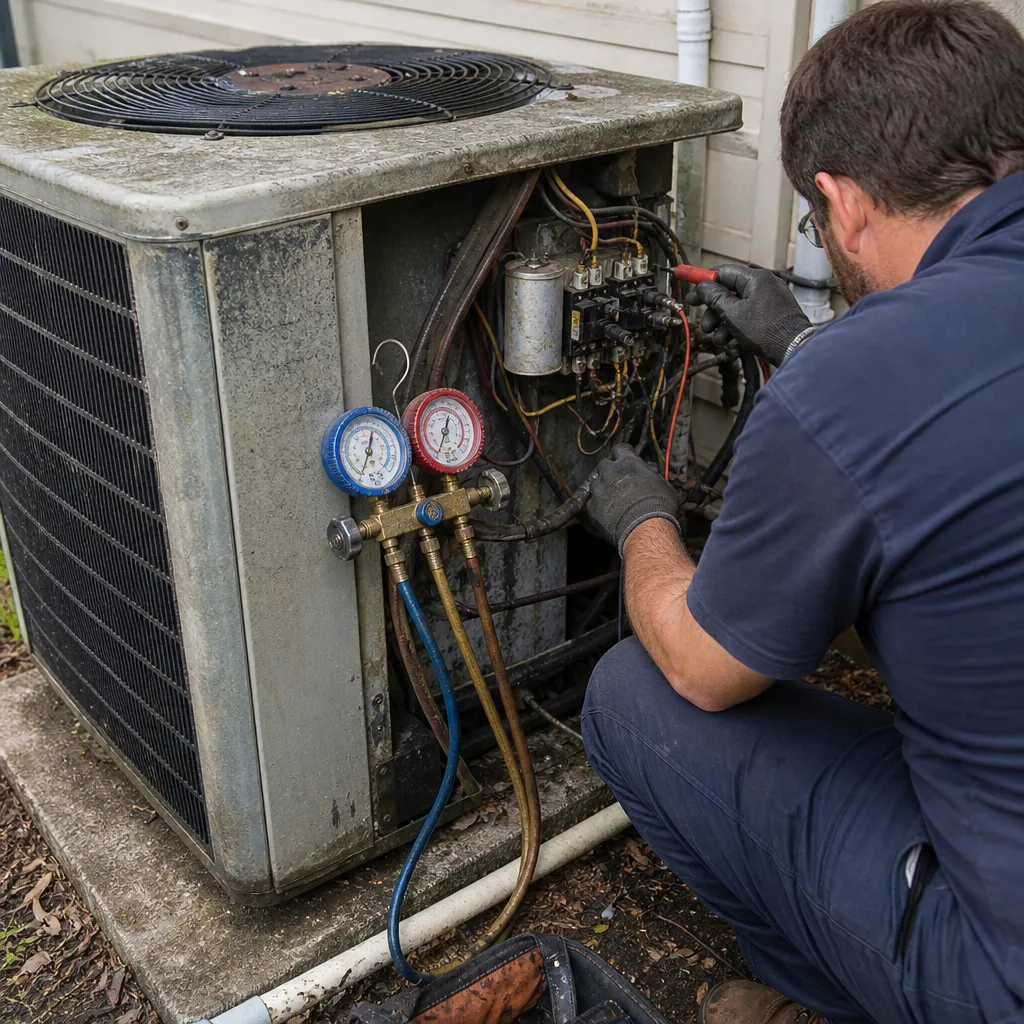
Here’s why that particular mistake is worse than it looks. Modern variable-speed and inverter-driven systems in Fort Myers homes operate on very specific refrigerant charge tolerances. Adding refrigerant from a can – without a manifold gauge set, without knowing the system’s target subcooling or superheat, and without accounting for the refrigerant type – throws the charge off. An overcharged system runs higher head pressure, draws more current, and stresses the compressor. Undercharged from a can that ran out mid-fill, and the compressor risks running hot and starving for oil return. Either way, the homeowner pays for a diagnostic call, a recovery and recharge by a licensed tech, and sometimes a compressor repair that the original small leak wouldn’t have caused for years.
The other high-risk DIY patterns specific to Florida homes:
- Capacitor swaps without proper discharge. Capacitors hold a charge after power is cut. A homeowner replacing a start or run capacitor without discharging it first can get a serious shock, and mismatched microfarad ratings burn out the compressor or blower motor. This is electrical work inside the equipment.
- Bypassing a float switch. When a condensate float switch trips, the temptation is to jumper it out. That defeats the only protection against water overflowing into the air handler. It’s the start of a ceiling repair, not the end of a problem.
- Sealing a refrigerant leak with stop-leak products. These products can gum up the metering device, the reversing valve on a heat pump, and the compressor itself. A $20 can becomes a $2,000 repair.
- Replacing a blower motor without checking the control board. The motor is often the symptom, not the cause. A failed control board, failed capacitor, or bad relay will burn out a new motor just as fast as the old one.
None of these are worth the risk when the diagnosis is free. If you want to know what a repair involves before you decide, that’s a legitimate conversation to have with a technician rather than a leap into the equipment bay.
How DIY Touches Your Manufacturer Warranty
Every major brand – Carrier, Trane, Lennox, American Standard, and the rest – writes similar language into its limited parts warranty. The key phrase to look for is a requirement that the equipment be installed and serviced by a licensed contractor, and that the homeowner not perform repairs that alter the equipment’s operation or bypass manufacturer specs. That language is what defines the line.
What typically voids coverage:
- Refrigerant work done by an uncertified person, including any evidence of DIY top-offs (which technicians can usually spot from residual sealant, mismatched pressures, or refrigerant dye patterns).
- Electrical modifications inside the air handler or condenser, including jumpers, unapproved relays, and unlisted replacement parts.
- Installation of components that don’t match manufacturer specs, including universal motors that weren’t listed for the equipment.
- Evidence that routine maintenance – filters specifically – was neglected to the point of causing damage.
What typically doesn’t void coverage:
- Filter replacement.
- Thermostat replacement with a compatible unit (keep the receipt and the model number).
- Cleaning and flushing the condensate line.
- Exterior cleaning of the condenser coil and cabinet.
The nuance matters because warranty coverage isn’t just about the specific repair; it’s about whether the manufacturer can argue that a DIY action caused the failure. A homeowner who changes filters monthly and calls for anything else is rarely in a warranty dispute. A homeowner who “fixed” the refrigerant charge with a hardware store can almost always expect a fight.
The Math: Professional Maintenance vs. Compressor Replacement
Fort Myers systems run a lot. Between May and October, a typical system runs six to ten hours per day, and shoulder months add more. That’s easily more than 2,000 hours of runtime per year, well ahead of the national average that most HVAC industry writing assumes. The wear curve reflects it.
Here’s how the math usually breaks down for a Fort Myers homeowner deciding whether to schedule professional maintenance or skip ahead to the DIY filter change only:
- A professional maintenance visit typically includes a coil cleaning, a refrigerant charge check, electrical contact inspection, condensate line clearing, and a written report of what was actually found. That last item matters: the report tells you what’s wearing and what to budget for.
- The compressor, the most expensive single component, is the part most directly protected by maintenance. A clean condenser coil and correct refrigerant charge are the two biggest factors in compressor life. Skipping maintenance doesn’t save the visit cost; it often pulls forward the compressor replacement cost years earlier than the equipment’s design life.
- Small repairs caught early – a failing capacitor, a condensate float switch, a contactor with pitted points – cost a fraction of what the same failure costs when it takes the compressor out with it.
In our experience, the homeowner who schedules at least one professional maintenance visit per cooling season spends less over ten years than the homeowner who runs filter-only until something breaks. The professional visit is not a formality; it’s the diagnostic session that catches the things filters can’t. When we’re on a maintenance call and recommend a repair, our technicians aren’t paid on what they sell, which means the recommendation reflects what the system needs rather than a sales target.
When replacement does come up, the decision should be driven by the home’s load and your budget, not by a single brand. Blackwell Air Conditioning is certified across nine major manufacturers – Carrier, Trane, Lennox, Goodman, Rheem, York, Daikin, Bryant, and American Standard – so the recommendation is for the equipment, not for a dealer margin. If you’ve reached the point where a replacement quote makes more sense than a repair, AC installation is the next conversation, and it starts with a load calculation rather than a brand brochure.
Why Fort Myers Systems Wear Differently
HVAC equipment in Fort Myers operates in a humid subtropical climate where the cooling season is measured in most of the calendar year. That fact shapes nearly every DIY-vs-professional decision here. Three climate-specific effects are worth understanding.
Condensate load is heavier. Humid air moving across a cold evaporator coil produces a lot of condensate. Drain lines clog faster, drain pans grow biological film faster, and an overflowing pan can do real damage to a Fort Myers home’s air handler closet or ceiling. The pan tablet and vinegar flush DIY tasks matter more here than in a dry climate.
Runtime hours accumulate faster. A system that runs 2,500 hours per year reaches the wear limits of its components roughly twice as fast as a system in a milder climate. Capacitors, contactors, and blower motors are consumable items on that schedule. Catching a failing capacitor before it takes the compressor with it is the highest-value diagnostic a professional visit provides.
Storm season stresses outdoor equipment. Wind-driven debris, palm fronds, and storm rain can impact a condenser. After any significant storm, walk the yard and clear debris from the outdoor unit. That’s a safe DIY check. If the unit looks damaged or the fan won’t turn freely, it’s a professional call.
Neighborhoods across Fort Myers see different versions of this – older homes near the river with longer duct runs, newer construction out east with tighter envelopes and different load profiles – and a plan that treats them identically will over- or under-maintain both. That’s one reason the same equipment recommendation doesn’t work everywhere, and why the brand-neutral approach matters when an upgrade is on the table.
A Decision Framework for Every Common Repair
When something goes wrong, the fastest way to make the right call is to categorize the symptom. Use this framework.
- Is the system not cooling at all? Check the thermostat batteries and the breaker first. If both are good, stop – diagnosis requires gauges and meter work. Call for service.
- Is it cooling poorly? Replace the filter, check the outdoor unit for debris, and look at the condensate pan for standing water. If those three are clear, it’s a professional diagnosis.
- Is there water around the air handler or on the ceiling? Stop running the system, catch the water in a pan, and call. Do not jumper the float switch. Water intrusion is a same-day matter.
- Is there a strange noise? A single loud clunk on startup is often a capacitor or contactor issue. A grinding or screeching noise is a motor bearing. Both are professional calls, and both get worse if you run the system hoping they’ll resolve.
- Is the thermostat blank or offline? Replace batteries first. If the thermostat is touchscreen and rebooting continuously, the C-wire may be loose – a professional call unless you’re comfortable turning off the air handler breaker and working inside the low-voltage panel.
- Is the heating side not working? Furnace issues, even in a mild climate, can involve the gas valve, igniter, or control board. These are not DIY. Our furnace repair work is a good place to start if you’re not sure whether it’s the heating side or the thermostat.
The pattern is consistent: if the fix requires a tool beyond a screwdriver and a fin comb, or if the symptom involves water, refrigerant, or electricity inside the cabinet, it’s a professional call. Everything else, you can handle.
Common Mistakes to Avoid
- Using a MERV 13+ filter in a system not designed for it. High-MERV filters restrict airflow, and in a Fort Myers home where the system runs most of the year, restricted airflow stresses the blower motor and evaporator. Match the MERV rating to what the equipment manual recommends.
- Skipping the condensate tablets because “nothing’s wrong.” Algae growth is silent until it overflows. By the time you see water, you’re already paying for cleanup.
- Topping off refrigerant with an over-the-counter can. It’s illegal without EPA certification, and it does more damage to the sealed system on a variable-speed system than the original leak would have.
- Jumping out the float switch. Float switches exist to prevent water damage. Bypassing one trades a $50 part for a ceiling repair.
- Assuming a DIY repair keeps the manufacturer warranty intact. Check the warranty language before you touch any electrical or refrigerant component. Most major brands have clear exclusions for unlicensed work.
- Running the system through an obvious failure during storm season. A grinding outdoor fan or an air handler making noise during a Fort Myers summer is a call to shut down the system and call, not a problem to sweat through.
- Taking an online symptom chart as a diagnosis. A “system not cooling” symptom has a dozen causes and only one fix. Charts narrow the field; they don’t replace a diagnostic visit.
See the difference
 Before
 After
 Before
 After
 Before
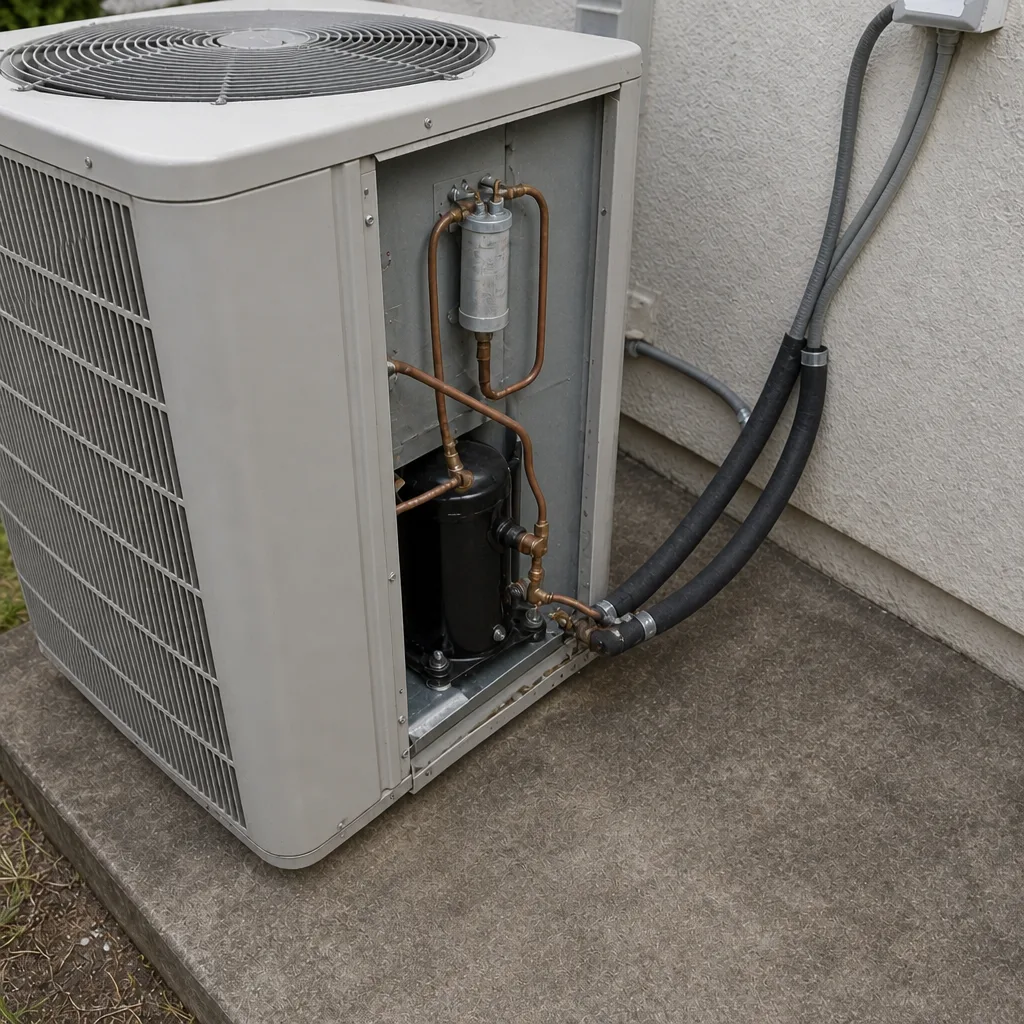 After
When to Call a Professional
Call a licensed HVAC contractor for any of these situations: refrigerant work of any kind, electrical repairs inside the air handler or condenser, gas line or furnace component repairs, condensate leaks into the ceiling or structure, blower or compressor noise, and any failure during the first few years of a new system’s warranty period. Also call if you’ve tried the safe DIY tasks and the symptom hasn’t cleared.
Blackwell Air Conditioning offers free estimates in Fort Myers. Our technicians have up to 9 years of experience, we work on every major brand, and we repair before we recommend replacement. Call Blackwell Air Conditioning at (833) 946-8616. We answer 24/7, with fast dispatch from 7am to 7pm Sunday through Friday.
Frequently Asked Questions
No. Handling refrigerant requires EPA Section 608 certification, and the agency treats unlicensed handling as a violation regardless of whether you’re a homeowner or a technician. The over-the-counter cans sold at hardware stores don’t satisfy the certification requirement, and the refrigerant in them is often the wrong type for your system. Call (833) 946-8616 for a licensed refrigerant check – estimates are free.
No. Filter replacement is routine maintenance and is expected, not penalized, by manufacturers. What voids coverage is unlicensed repair work – refrigerant handling, internal electrical work, or use of unlisted parts. Keep a receipt for the filters if you want a clear maintenance record.
Check it every 30 days during cooling season and replace when it’s visibly loaded. Because Fort Myers systems run most of the year, monthly checking is more useful than calendar-based replacement. A clogged filter is the most common cause of frozen evaporator coils and short-cycling.
Refrigerant top-offs with over-the-counter cans are the most common and most damaging. On modern variable-speed equipment, even a small overcharge or undercharge causes stress that shortens compressor life. The second most common is bypassing the condensate float switch, which trades a small repair for a water-damage claim.
You can and should do the filter, condensate tablet, and exterior cleaning parts. Keep the professional maintenance visit annual for the parts that require gauges and meters – and because a written maintenance record supports warranty claims if a component fails early. Call (833) 946-8616 to schedule; estimates are free.
Usually yes, because the diagnosis is often incomplete. A “bad capacitor” call often turns out to be a failing contactor or control board causing the capacitor to fail. The professional visit confirms what’s actually wrong, and the written report tells you what else is close to failing. Call (833) 946-8616 for a free estimate on Fort Myers service.
The Bottom Line
Fort Myers homeowners can safely handle a meaningful portion of HVAC maintenance themselves: filters, condensate tablets, coil fin straightening, thermostat batteries. Those tasks cost almost nothing and prevent real damage in a humid, high-runtime climate. The line is clear on everything else – refrigerant, electrical work inside the cabinet, gas components, compressor issues – and it’s regulated by Florida contractor licensing law, EPA refrigerant rules, and manufacturer warranty language. Crossing it accidentally costs more than the repair would have. When in doubt, the free estimate is the cheapest diagnostic in the trade. Call Blackwell Air Conditioning at (833) 946-8616 to schedule one, and know that the recommendation is based on your home, not a brand.
Written by the team at Blackwell Air Conditioning.