
Last updated November 16, 2026
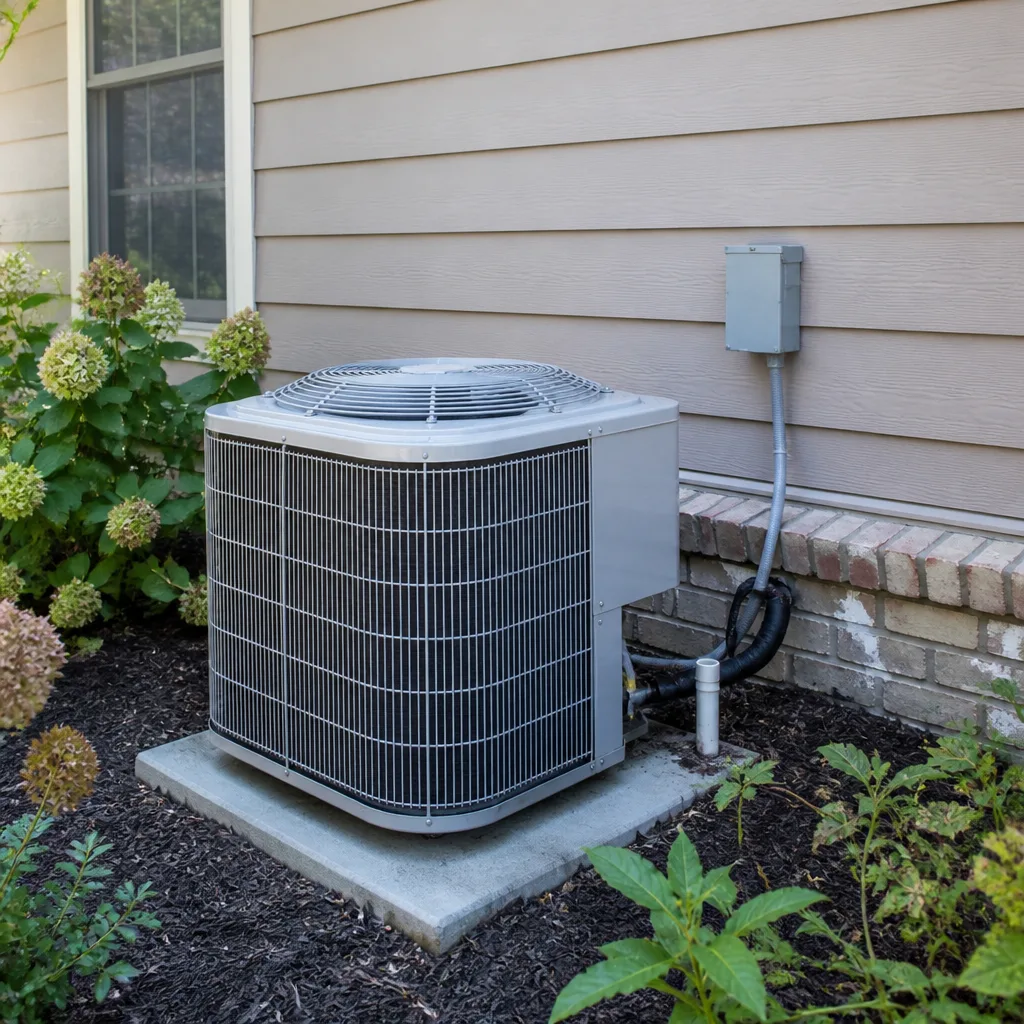 AC repair
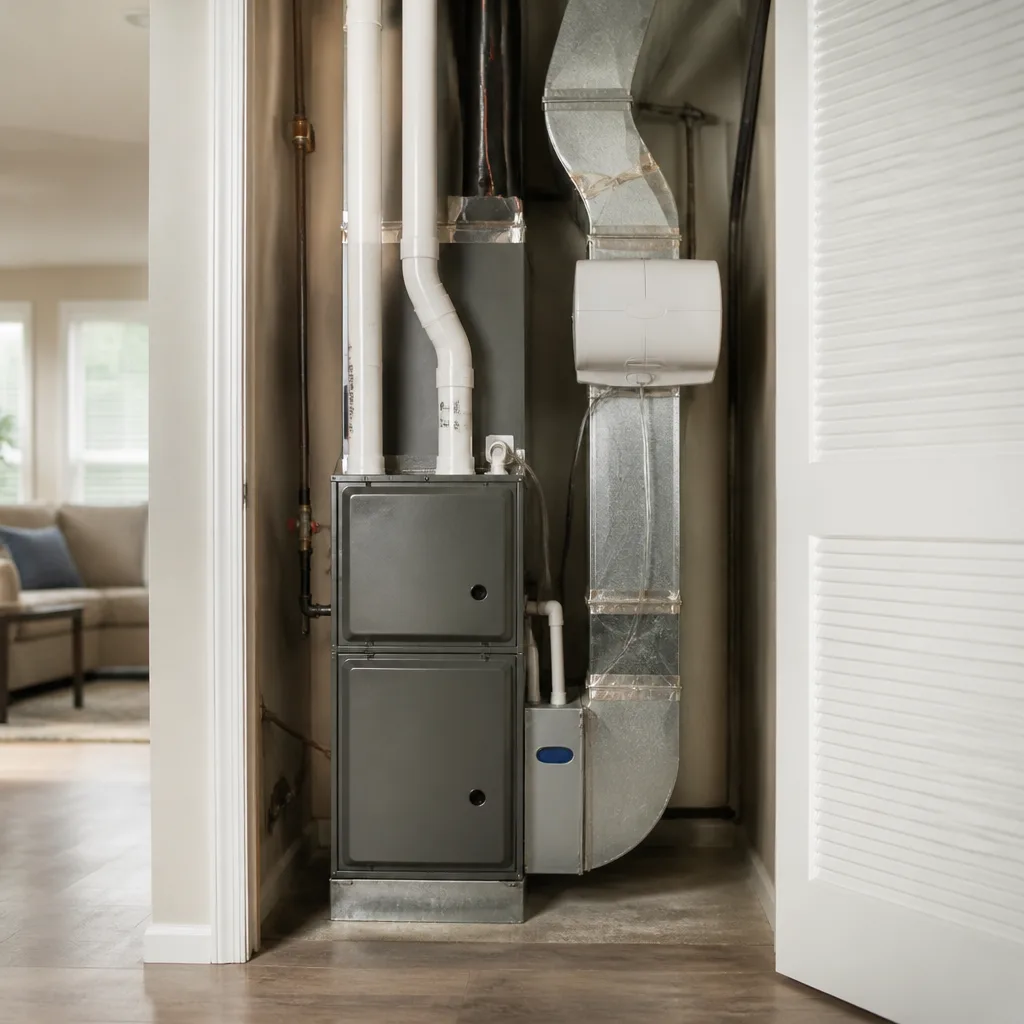 Furnace & heating
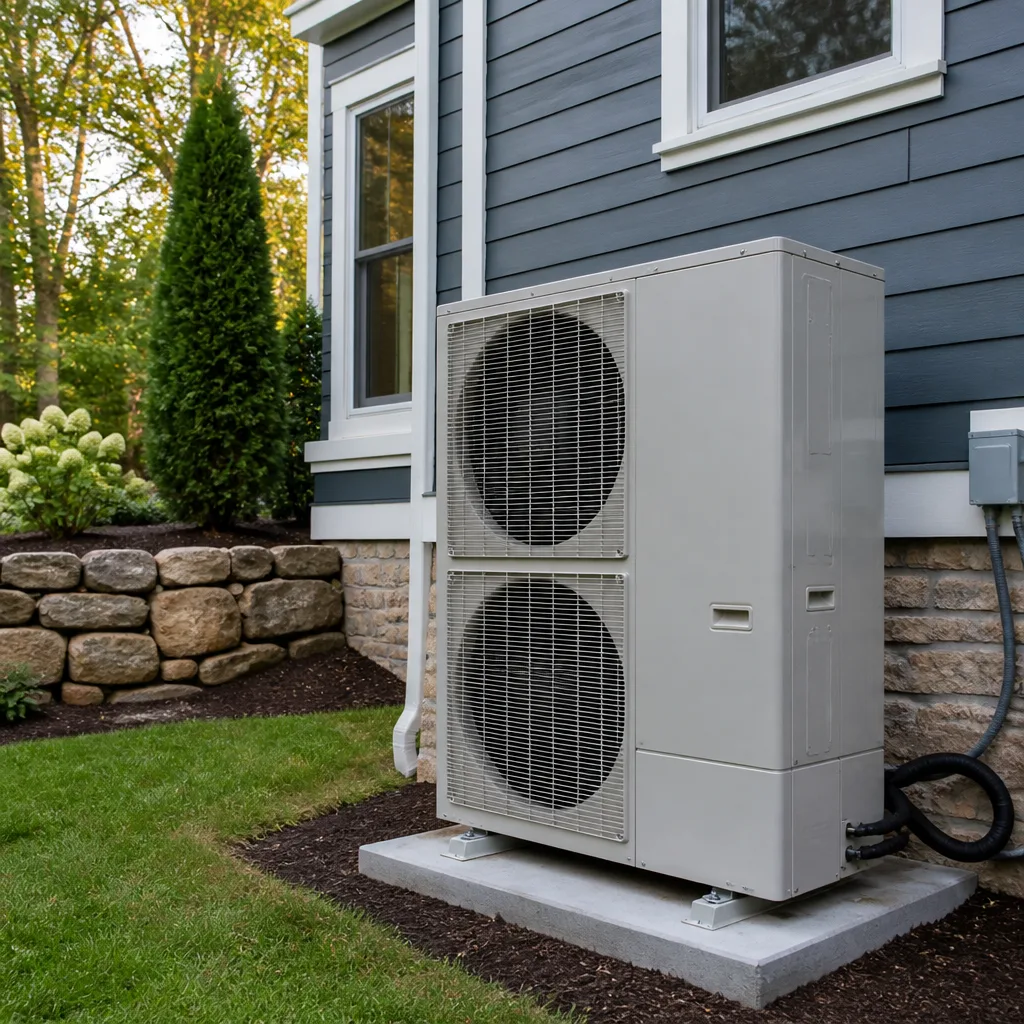 Heat pumps
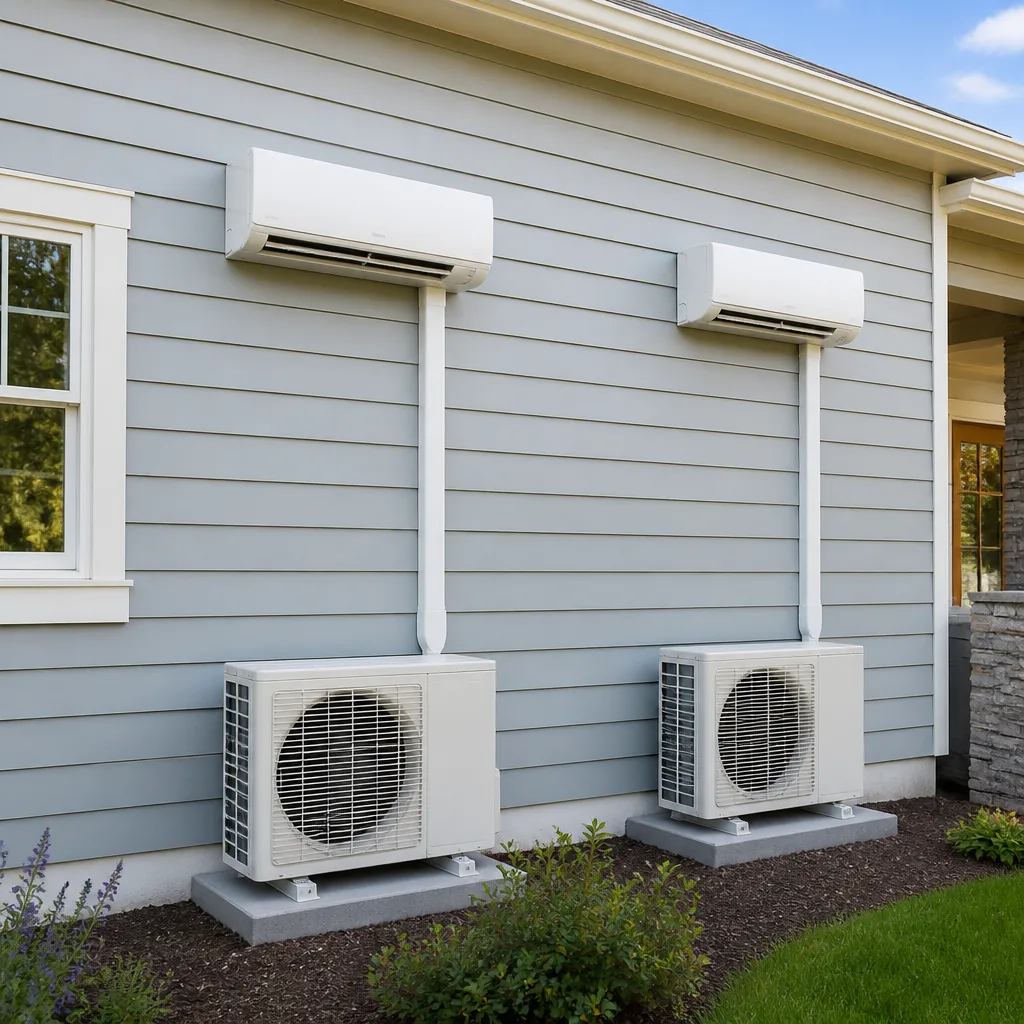 Ductless mini splits
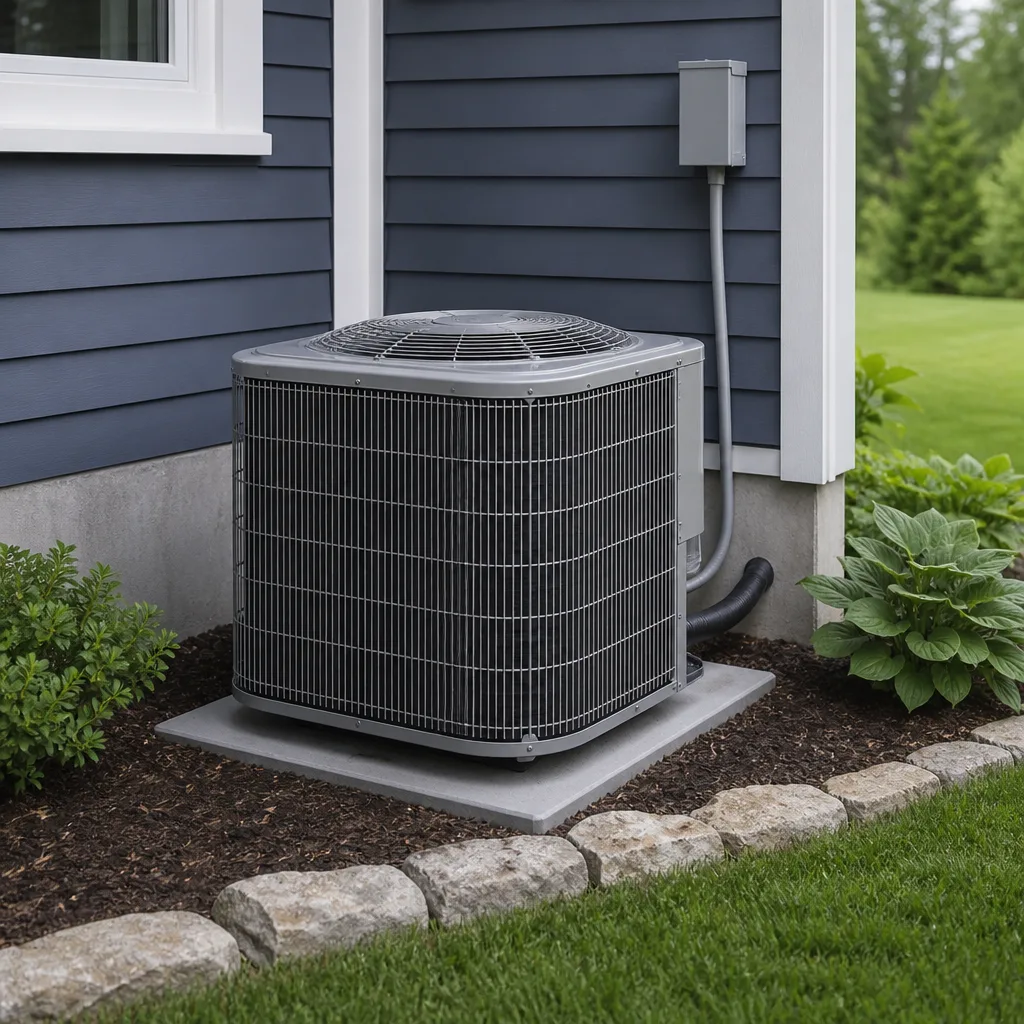 Carrier
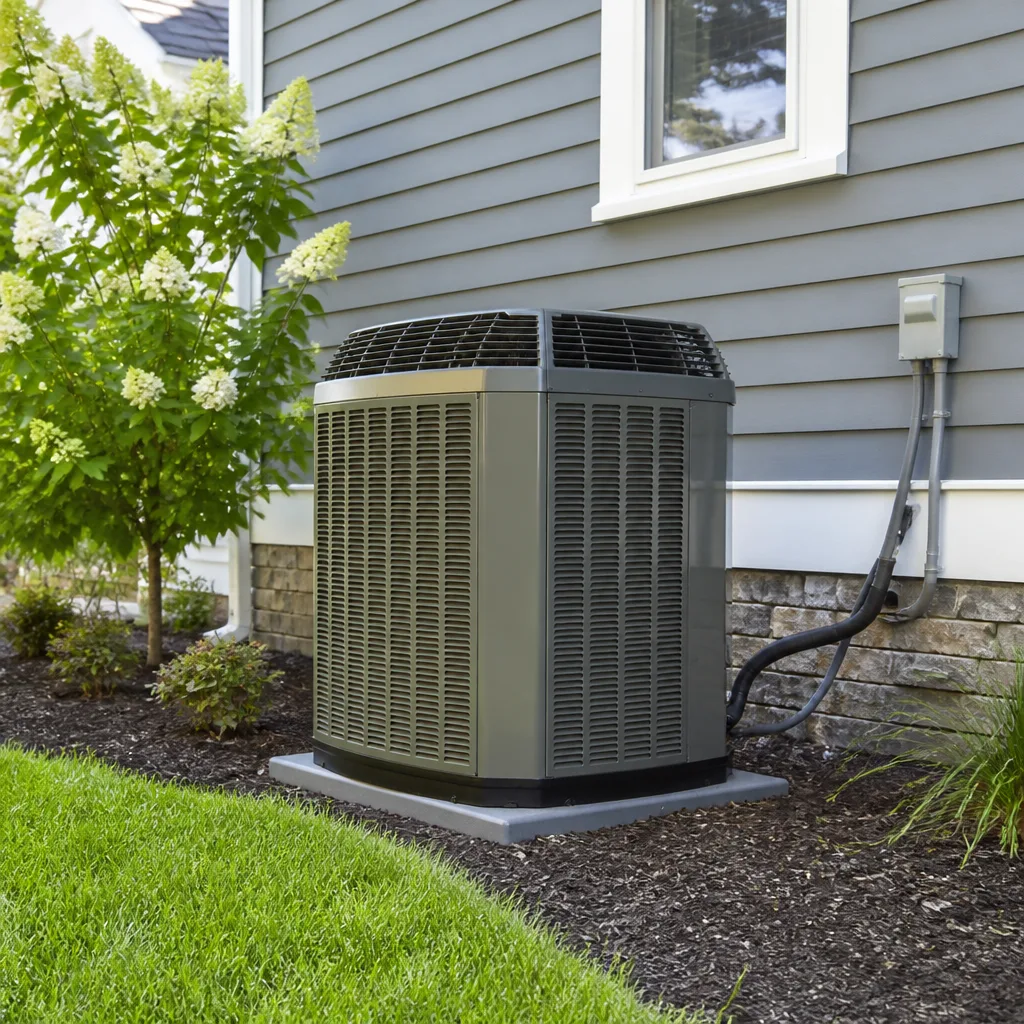 Trane
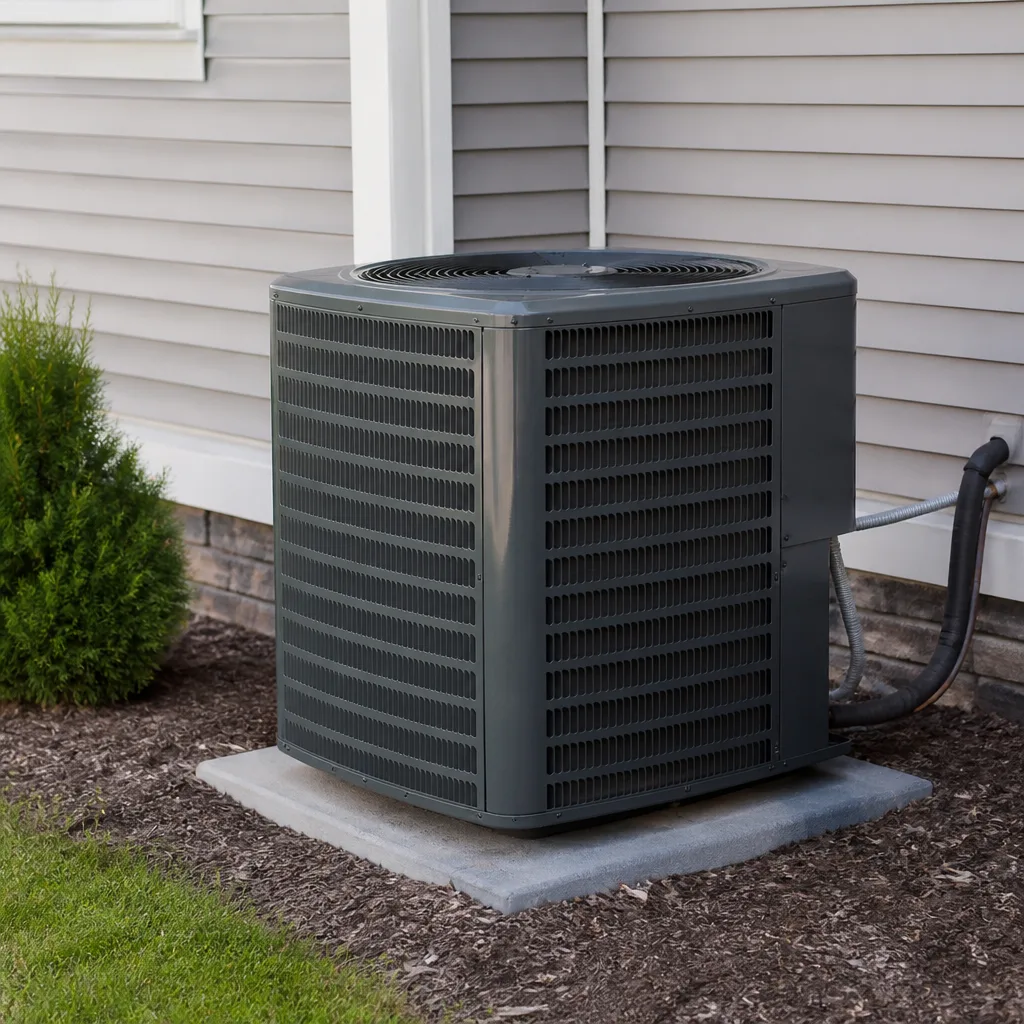 Goodman
Seasonal tune-up and full diagnostic on your Carrier, Trane, or Goodman system - readings shown to you before any repair is proposed
Diagnosis first, numbers second - you approve the repair price before a single part goes in.
Get your free estimateChoosing the Right HVAC Brand: A Buyer’s Guide for Fort Myers
Most HVAC shoppers in Fort Myers think they’re choosing between brand names. They’re really choosing between four parent companies, a handful of coil alloys, and whatever the contractor in their driveway actually stocks. The name on the cabinet is the least useful signal in the decision. What matters here is coil construction, compressor staging, humidity logic, warranty fine print, and whether a replacement part can reach your home before the house gets unbearable. This guide walks through each of those, shows you what to ask, and explains why collecting quotes on different brands beats collecting quotes on the same one. Fort Myers summers don’t grade on a curve, and neither should your equipment search.
Blackwell Air Conditioning works on nine major brands, so we have no stake in steering you toward one. That’s the vantage point this guide is written from.
Quick Answer
For a Fort Myers home, the right HVAC brand is the one whose specific model you can service locally, whose coil construction survives a humid subtropical climate, and whose warranty terms you actually understand. Brand tier matters far less than the exact model, the installation quality, and parts availability in Lee County. Get three quotes across different brands and compare the model numbers, not the logos.
Styles & brands we work with
- AC repair
- Furnace & heating
- Heat pumps
- Ductless mini splits
- Carrier
- Trane
- Goodman
Table of Contents
- Who actually makes the brand you’re considering?
- Why coil construction matters more than brand tier here
- Variable-speed vs. single-stage compressors in a Fort Myers summer
- Parts and service availability in Lee County
- What a 10-year parts warranty actually covers
- The case for brand-agnostic selection
- Questions to ask every contractor
- Common mistakes to avoid
Who Actually Makes the Brand You’re Considering?
Most of the brands on a Fort Myers estimate sheet trace back to a small number of manufacturers. That doesn’t mean the equipment is identical, because each parent company builds distinct product lines under each name. It does mean the marketing story around a “premium” badge deserves scrutiny. Two brands under the same corporate roof can share compressors, controls, and even coil designs.
What changes between brands and, more importantly, between tiers within a brand:
- Cabinet gauge and finish. Thicker steel and better coatings hold up longer in a humid climate.
- Coil alloy and coating. The single most consequential detail for a Fort Myers install, covered in the next section.
- Compressor type. Single-stage, two-stage, or fully variable, and the control board that runs it.
- Warranty terms. Often different between the same parent company’s budget and premium lines.
- Local distribution. Whether a replacement part sits on a shelf in Lee County or ships from out of state.
Ask your contractor which parent company builds each model they’re quoting. A contractor who can name it and explain the tiers within that brand is doing real work. One who can only say “this one’s better” isn’t giving you anything to decide with. At AC installation time, that distinction matters more than the badge on the door.
Why Coil Construction Matters More Than Brand Tier in Fort Myers
The evaporator coil is where your system fights the air, and in a Fort Myers home it runs a punishing schedule. A coil that’s marginal in a dry climate can fail early here. Coil material and coating are the details most homeowners never hear about, and they’re the ones that decide whether your system lasts ten years or fifteen.
What to ask about every system, regardless of brand:
- Is the coil all-aluminum or copper-aluminum? All-aluminum coils are common now and generally resist the corrosion that eats copper-aluminum coils from the inside out. Ask what alloy the specific model uses.
- Is there a factory coating? Coated coils add a layer of protection in a humid, high-runtime environment. Ask whether the coating is factory-applied or added later.
- What’s the coil’s warranty term? Coil coverage varies by brand and tier. A strong coil warranty is worth more than a slightly better SEER2 rating.
- How is the coil protected during install? Poor brazing, dirty line sets, and sloppy evacuation shorten coil life more than any brand difference. Installation quality is the biggest single variable.
This is where brand-agnostic selection earns its keep. York and Bryant both build solid equipment, but a specific York model and a specific Bryant model at similar prices may differ in coil alloy and coating. A contractor who only sells one brand can’t show you the alternative. That’s the entire reason we install across nine manufacturers, from Carrier and Trane to Goodman and Daikin.
Variable-Speed vs. Single-Stage Compressors in a Fort Myers Summer
Fort Myers is humid, and humidity is where single-stage equipment struggles. A single-stage compressor runs full blast or not at all. On a mild morning, that means short bursts that cool the air without pulling much moisture out. You end up with a house that feels cold and clammy at the same time.
Variable-speed and two-stage compressors run longer at lower output. That longer runtime is what removes moisture, because dehumidification happens as air passes over the coil, and more air-hours over the coil means more water down the drain line. The result isn’t just comfort. It’s a house that holds its set temperature more evenly and a system that cycles less.
Here’s the practical tradeoff:
- Single-stage: lower upfront cost, simpler controls, fewer parts to fail. Fine for a well-insulated home with a correctly sized system.
- Two-stage: a good middle ground, better humidity control than single-stage, and less complex than full variable-speed.
- Variable-speed: best humidity performance and quietest operation, but the highest cost and the most complex control board. Worth it if your home runs humid or your ducts are marginal.
Ask your contractor to run a load calculation before recommending a stage count. A variable-speed system undersized or oversized for the house won’t deliver the humidity benefit you paid for. In Fort Myers, sizing and staging are a package deal. Ask to see the calculation.
Parts and Service Availability in Lee County
A brand is only as good as the parts pipeline behind it. When a compressor contactor or a control board fails in a Fort Myers home in the middle of a hot stretch, the difference between a stocked part and a shipped part is measured in days. Days of heat.
Here’s the contractor-level view. Brands with broad distribution and deep dealer networks in Southwest Florida tend to have faster access to common components. That includes the big national names and the brands with strong local supply relationships. Budget and value brands sometimes win on parts pricing but lose on availability for less-common components. Daikin and American Standard, for example, have different distribution footprints, and that plays out in lead times, not just price.
What to ask:
- “Where does this brand’s nearest parts distribution sit relative to Fort Myers?” A direct answer is a good sign.
- “Which components on this model are proprietary?” Proprietary control boards are the usual culprit for long waits.
- “Do you stock common failure parts for this brand?” Any contractor answering for a brand they sell weekly should be able to say yes.
This is one of the reasons we work across nine brands. If a homeowner asks for a brand we don’t know well enough to service confidently, we’d rather tell them than sell them a system we can’t stand behind. That holds on installs and on furnace repair alike. Diagnosis on the heating side is the same skill on the cooling side, and it depends on knowing the equipment inside out.
What a 10-Year Parts Warranty Actually Covers
Most manufacturers advertise a 10-year parts warranty on their better lines, and most homeowners assume that means a decade of coverage. The fine print tells a different story. The warranty usually covers the part, not the labor to install it, not refrigerant, not diagnostic time, and not shipping. And it’s usually conditional.
What you need to check on any brand’s paperwork before signing:
- Registration requirement. Many manufacturers require the homeowner to register the unit within a set window after installation, or the warranty falls back to a shorter default term. If nobody tells you, you can lose years of coverage without knowing it.
- Parts vs. labor. A “10-year parts” warranty covers parts only. The labor to replace a compressor can cost as much as the compressor. Ask whether the installing contractor offers a labor warranty and for how long.
- Coil coverage. Often separate from the compressor and often shorter. A strong compressor warranty with a weak coil warranty is a bad trade in Fort Myers.
- Transferability. If you sell the house, does the remaining warranty transfer? Some brands allow it, some don’t, and it affects resale value.
- Third-party labor claims. Whether the brand honors labor claims through a contractor who did not install the system, and how that process works.
The best move is to get the warranty document in writing, not just the marketing summary. Read the registration deadline and the coil clause. Then ask your contractor what happens on day one of year six, when the compressor is out of labor coverage and the part is still under warranty.
The Case for Brand-Agnostic Selection
Here’s a pattern worth naming. Plenty of homeowners gather three quotes for the same brand at three different prices and think they’ve compared. They haven’t. They’ve compared contractors, which is useful, but they haven’t compared equipment. The brand that makes it into the house was decided before the first estimate.
A better process looks like this:
- Get a load calculation first. Every contractor should size the system to the home, not to the old unit’s label.
- Collect three quotes on different brands. Ask each contractor to explain the specific model, tier, coil construction, and warranty terms.
- Compare like for like. Same stage count, similar efficiency tier, comparable coil design. Otherwise you’re comparing apples to a different fruit.
- Ask why they quoted what they quoted. A contractor who can explain why a particular York model suits your home better than a Bryant model is doing honest work.
- Price the install, not just the equipment. Ductwork, line set condition, thermostat, and commissioning matter as much as the box.
The best brand for your Fort Myers home may not be the most-advertised brand. It’s the one that fits your load calculation, your humidity needs, your budget, and the parts pipeline that reaches your neighborhood. Getting three genuinely different brand quotes makes that decision for you instead of for the contractor’s vendor contract.
Questions to Ask Every Contractor Before You Choose
Whether you’re interviewing us or anyone else, these questions sort the real contractors from the salespeople. Write down the answers and compare across your three quotes. Fort Myers is a small enough market that a company’s answers will be consistent across homes. Inconsistency is a signal.
- “Will you show me the load calculation?” A proper Manual J calculation is sized to your home. If they hand you a rule of thumb, walk.
- “Which parent company builds this model?” A confident answer tells you they know the equipment.
- “What coil construction does this model use, and what’s the coil warranty?” The most important detail on a Fort Myers install.
- “What’s the registration deadline on the warranty and who handles it?” The answer should be concrete, not “don’t worry about it.”
- “How will you commission the system?” Refrigerant charge verification, airflow measurement, thermostat setup. A system that isn’t commissioned is a system that’s half-installed.
- “Can you service this brand if something fails in a year?” The answer should be yes, and it should come with a real local service capability.
When we quote a Fort Myers home, we’ll tell you which of our nine brands we’d lean toward for your specific load and budget, and why. If you ask us about a brand we don’t install, we’ll say so. The right system for your home is the only recommendation we can defend.
Common Mistakes to Avoid
- Buying on brand name alone. The model number under the brand name is what matters. Two units with the same badge can differ in coil alloy, controls, and warranty terms. Ask for the model number in writing.
- Getting three quotes on the same brand. That compares contractors, not equipment. You learn nothing about whether a different brand fits your home better. Push for three different brands.
- Ignoring coil construction in a humid climate. Coil alloy and coating decide long-term survival more than SEER2 does in Fort Myers. If the quote sheet doesn’t name the coil, ask.
- Skipping the load calculation. An undersized or oversized system costs you money every month and never delivers the comfort you paid for. Insist on a calculation.
- Assuming the parts warranty covers the labor. Parts-only warranties leave you paying the install labor on covered parts. Ask about the labor side separately.
- Missing the registration deadline. If the manufacturer requires registration and nobody does it, your coverage can fall back to a shorter term. Confirm it in writing.
- Choosing complex equipment without a service plan. A variable-speed system is a great choice only if local service exists for it. Check the parts pipeline before you commit to the top tier.
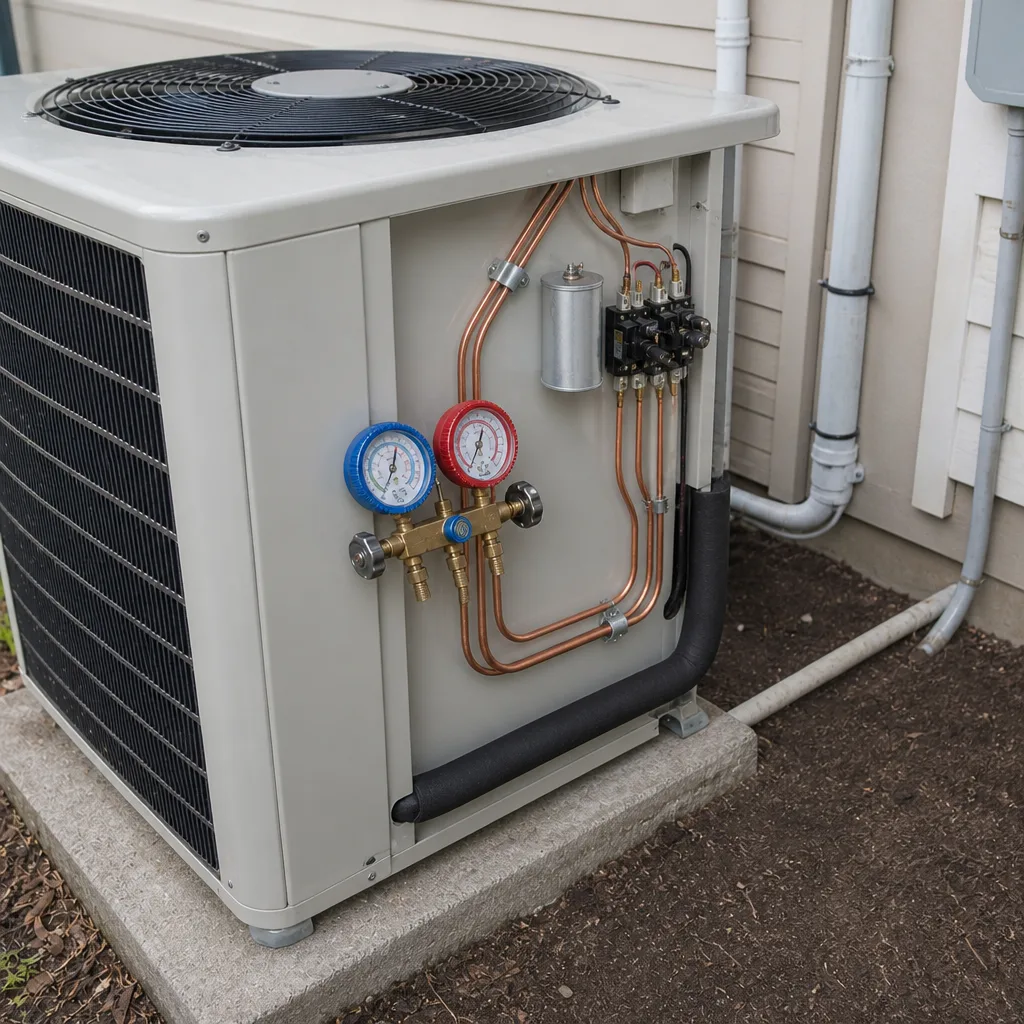
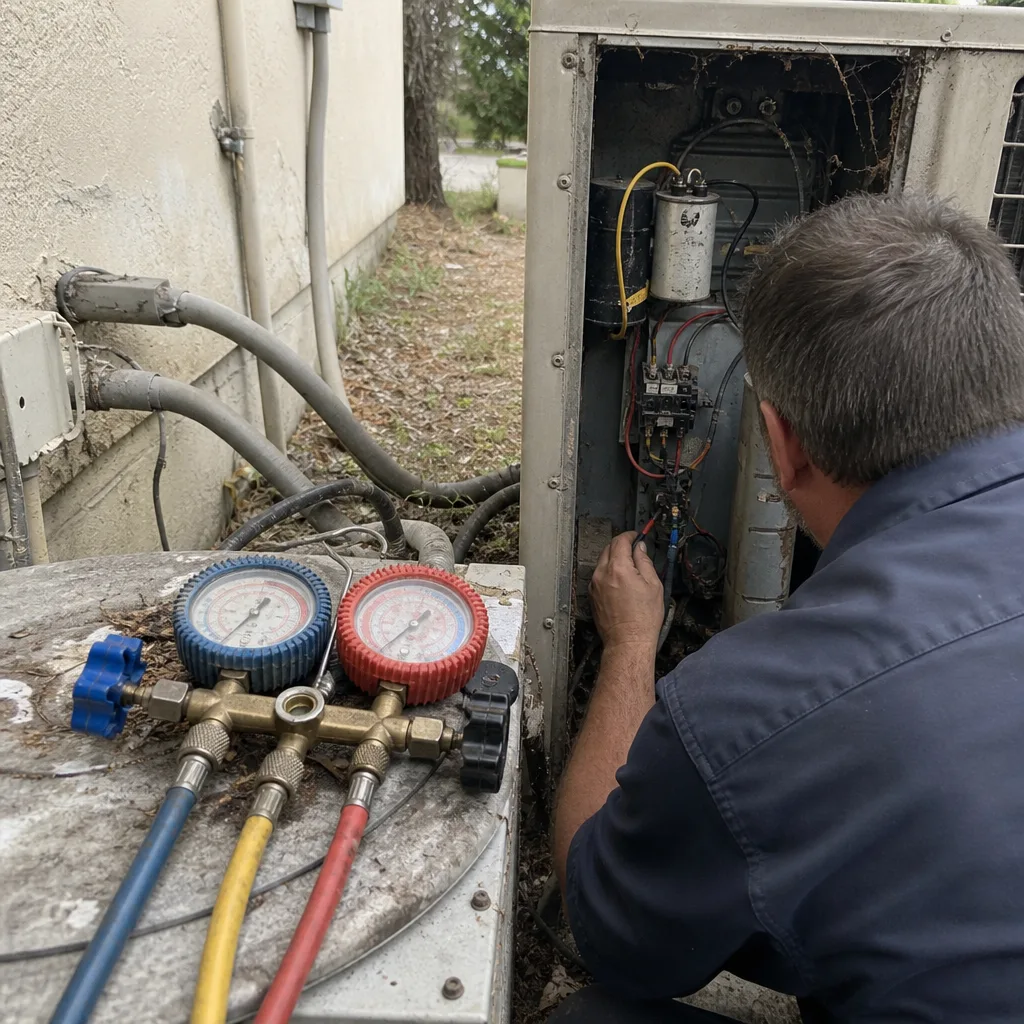
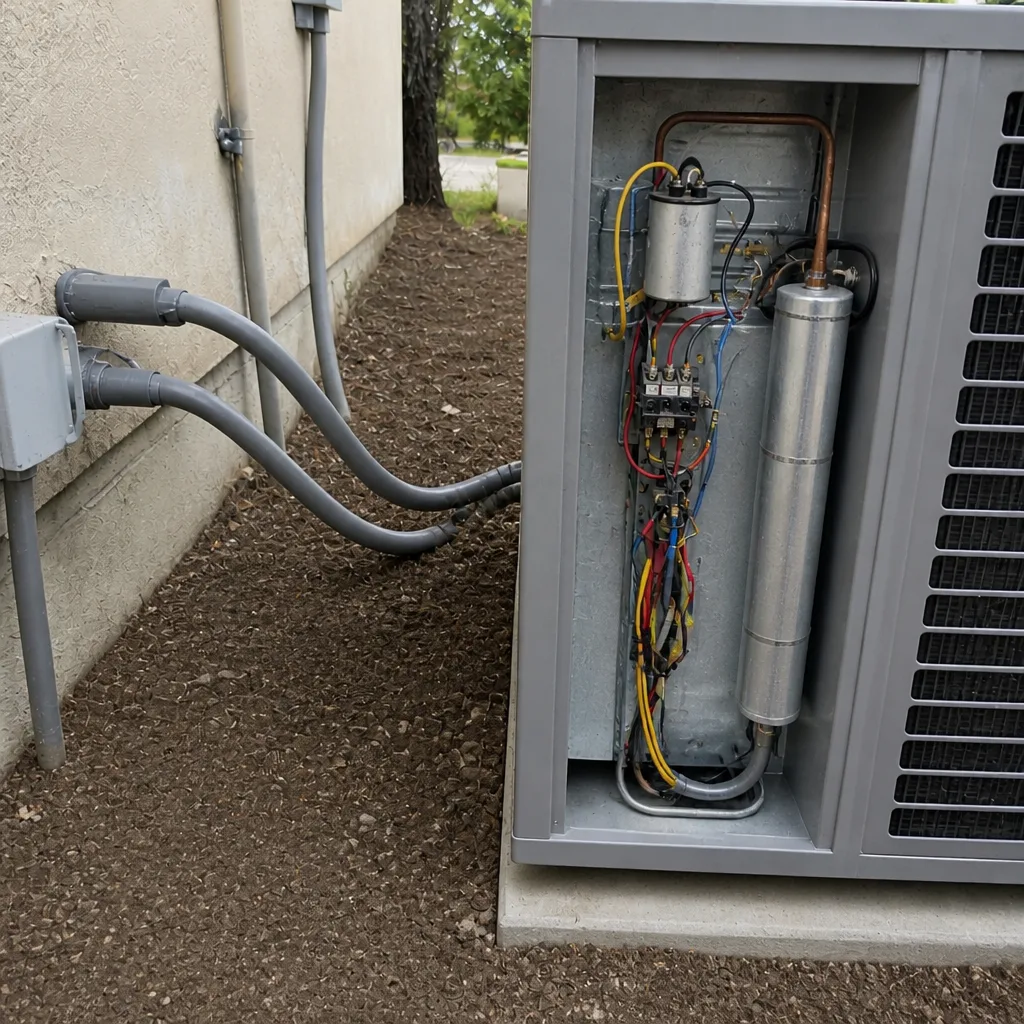
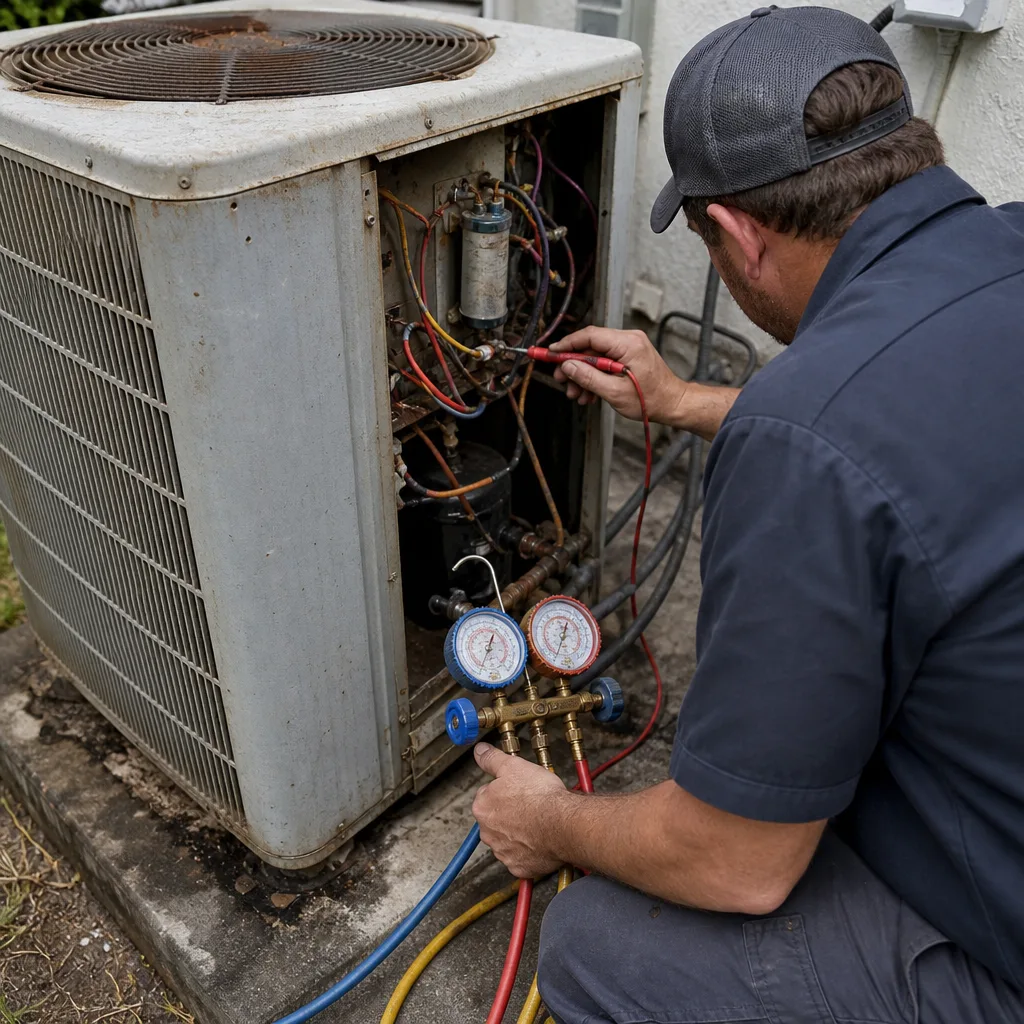
See the difference
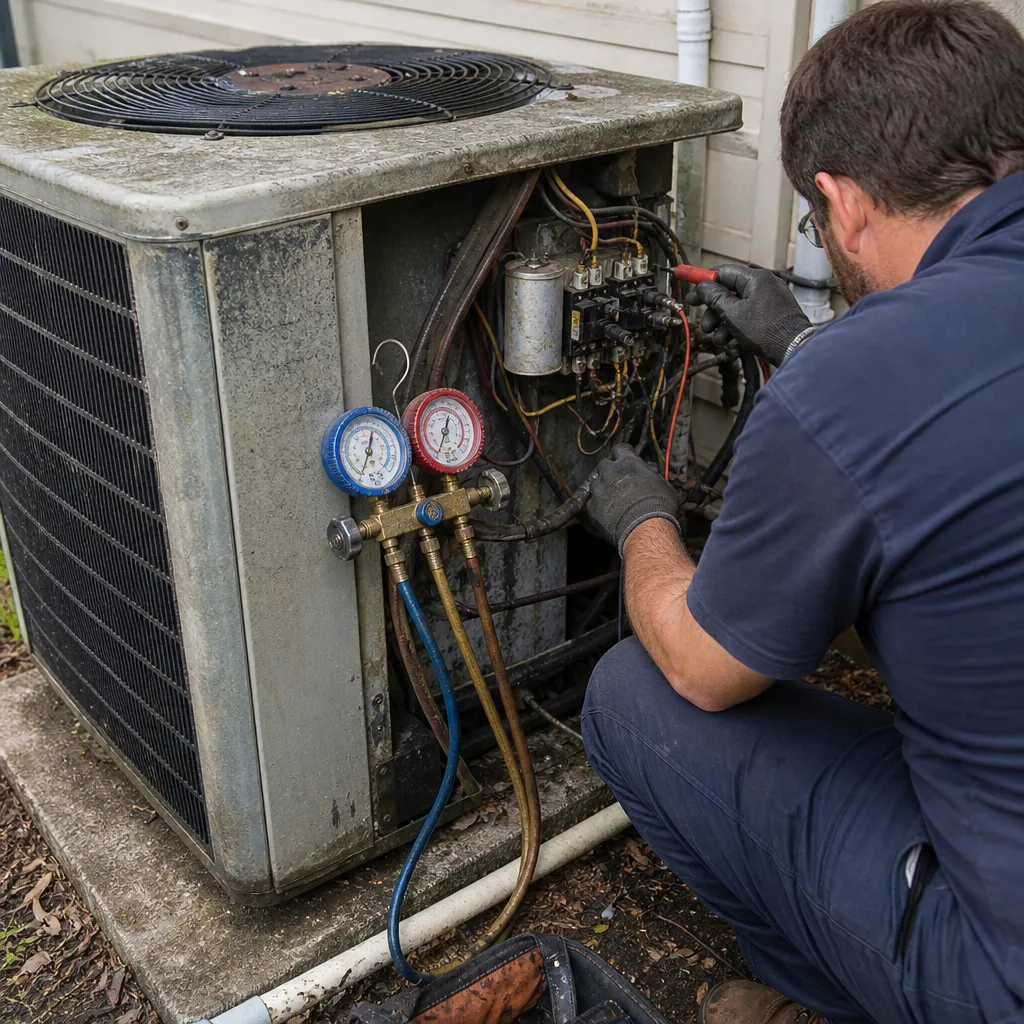 Before
 After
 Before
 After
 Before
 After
When to Call a Professional
Some decisions are best made with a technician on site. If your system is older and already had a repair this year, a free estimate on replacement is the honest next step. If a hidden cost is stalling a decision, a load calculation will tell you more than a sales conversation. If your humidity is climbing even with the system running, the equipment or the ducts need a proper diagnosis, not another thermostat tweak. If a furnace or heat strip is acting up, call before it fails completely. And if you’re comparing quotes and can’t tell which model actually fits your home, get a second opinion from a contractor with no single-brand stake.
Blackwell Air Conditioning offers free estimates in Fort Myers. Call (833) 946-8616. We answer 24/7. Fast dispatch from 7am to 7pm.
Frequently Asked Questions
There isn’t a single best brand for Fort Myers, because the right answer depends on your home’s load, your humidity needs, and the specific model’s coil construction and warranty terms. In a humid subtropical climate, coil material and compressor staging matter more than the badge on the cabinet. Get three quotes across different brands and compare model numbers, not names.
Yes, installation quality affects your system’s life and performance more than brand does. A well-installed mid-tier system outperforms a poorly installed premium one, especially in a Fort Myers home where sloppy brazing or an improper charge shortens coil life. Compare contractors on their commissioning process as carefully as you compare brands.
We install and service nine major brands: Carrier, Trane, Lennox, Goodman, Rheem, York, Daikin, Bryant, and American Standard. That covers the premium, mid-range, and value tiers, so our recommendations follow your load calculation and budget rather than a vendor incentive. If you’re comparing two brands we carry, we’ll tell you which model fits your home better and why.
Usually not. A 10-year parts warranty typically covers the part itself, not the labor to install it, not refrigerant, and not diagnostic time. Some brands have transferability or registration requirements that affect coverage. Ask for the warranty document in writing and read the registration deadline and coil clause before you sign.
Variable-speed systems run longer at lower output, so more air passes over the coil and more moisture gets removed. That longer runtime is what makes the house feel comfortable rather than cold and clammy. Single-stage systems cool in bursts and can leave humidity behind, which is a real issue in Fort Myers summers.
An honest contractor will run a load calculation, name the parent company behind each model, explain coil construction, and compare three different brands rather than three prices for the same one. If they only quote one brand and can’t explain why, that’s a signal. Call (833) 946-8616 for a free estimate from a brand-agnostic contractor. We answer 24/7. Fast dispatch from 7am to 7pm.
The Bottom Line
The right HVAC brand for a Fort Myers home isn’t the most-advertised one. It’s the specific model that fits your load calculation, uses a coil built for a humid climate, has honest warranty terms you understand, and can be serviced locally when something fails. Brand tier is a starting point, not a conclusion. Get three quotes on three different brands, ask the six questions above, and compare the model numbers. We work across nine brands because the honest answer to “which brand is best” is always “the one that fits your home.” Call (833) 946-8616 for a free estimate. We answer 24/7. Fast dispatch from 7am to 7pm.
Written by the team at Blackwell Air Conditioning.