
Last updated November 16, 2026
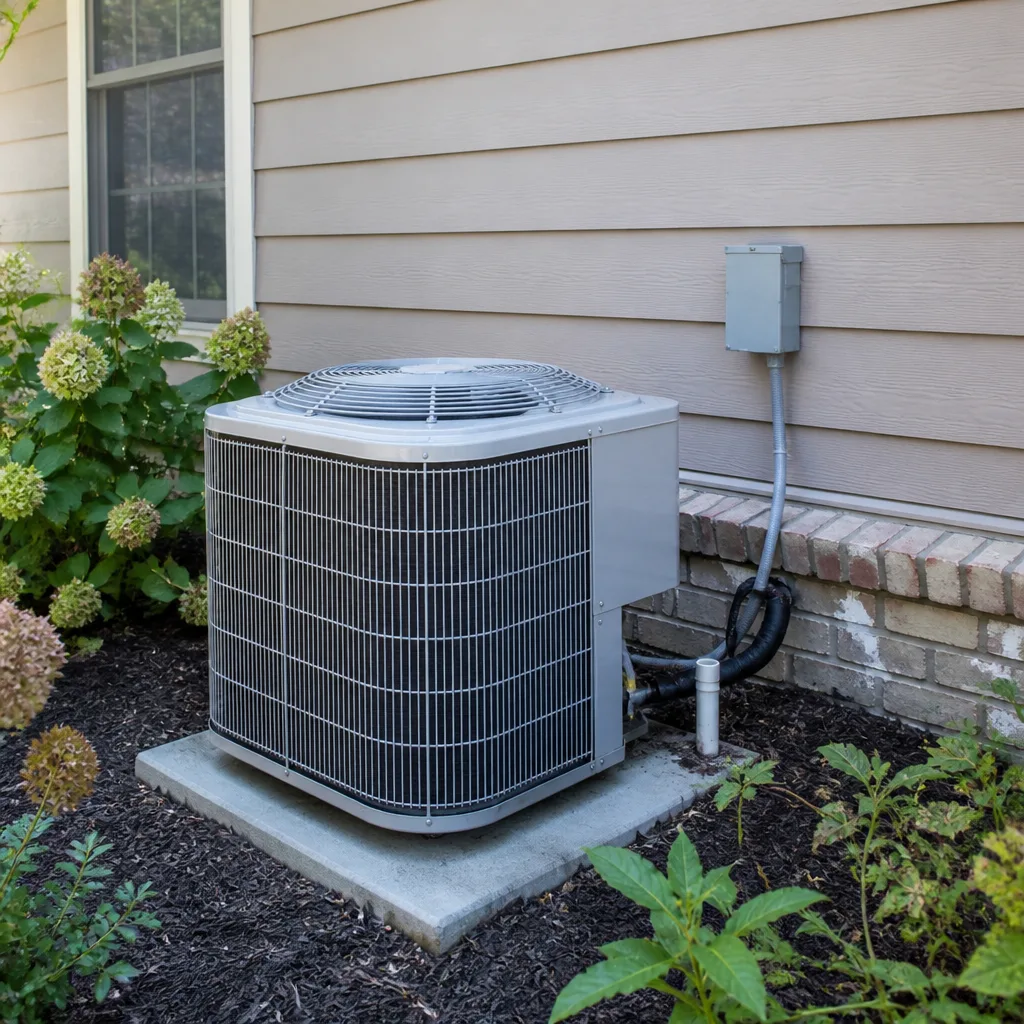 AC repair
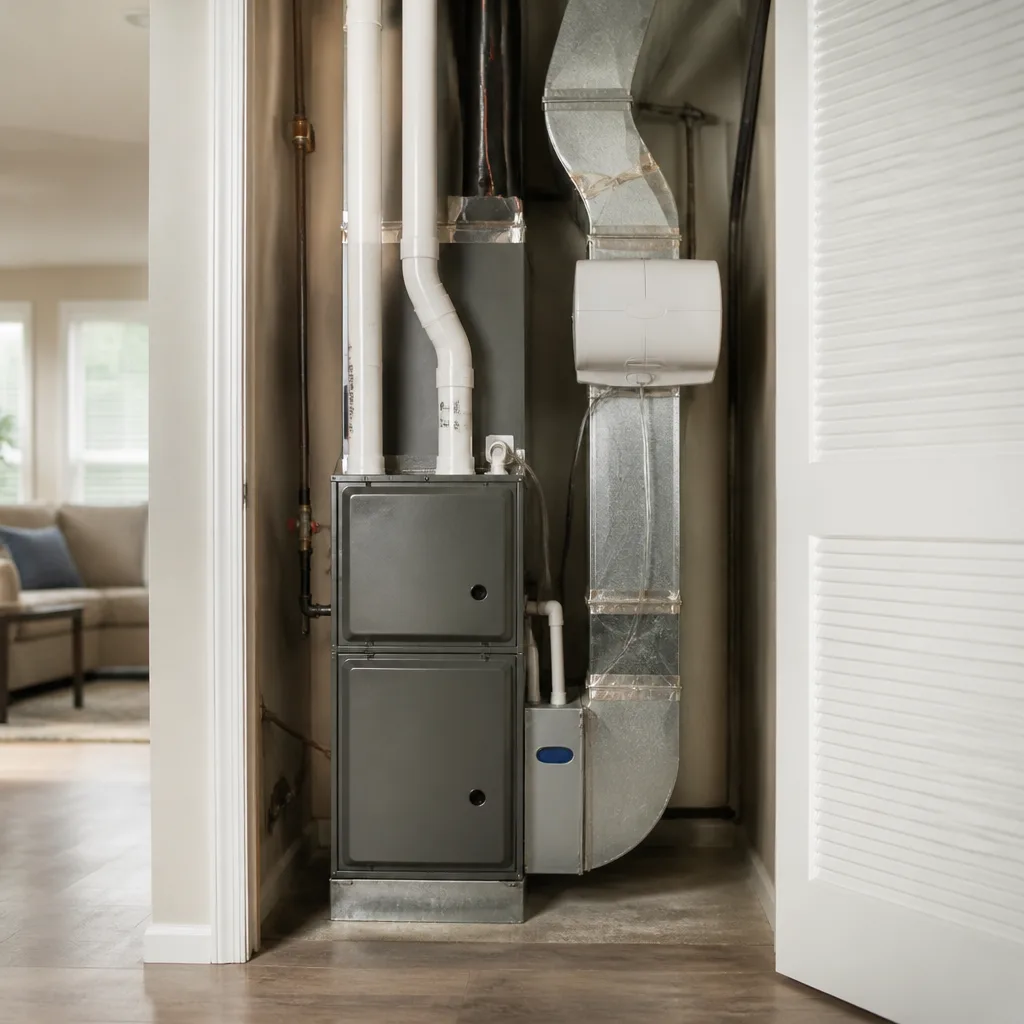 Furnace & heating
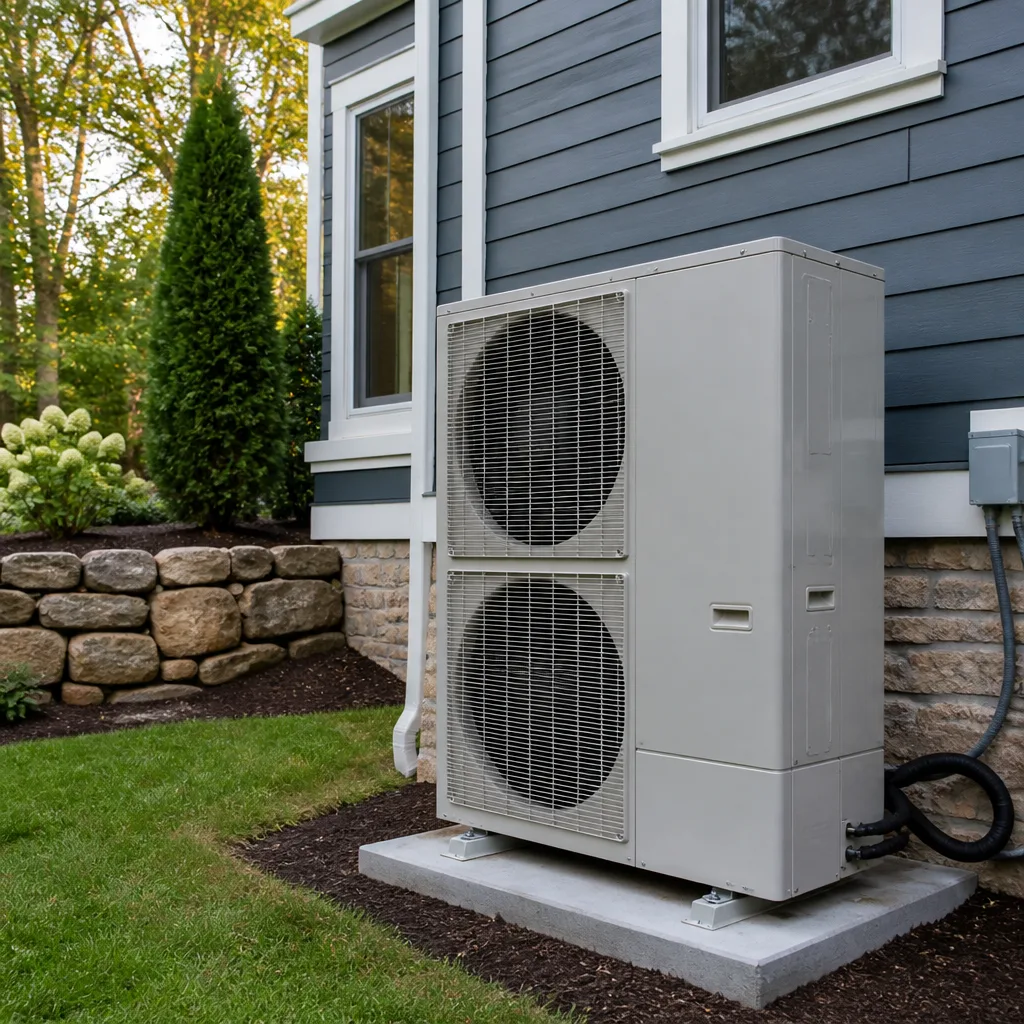 Heat pumps
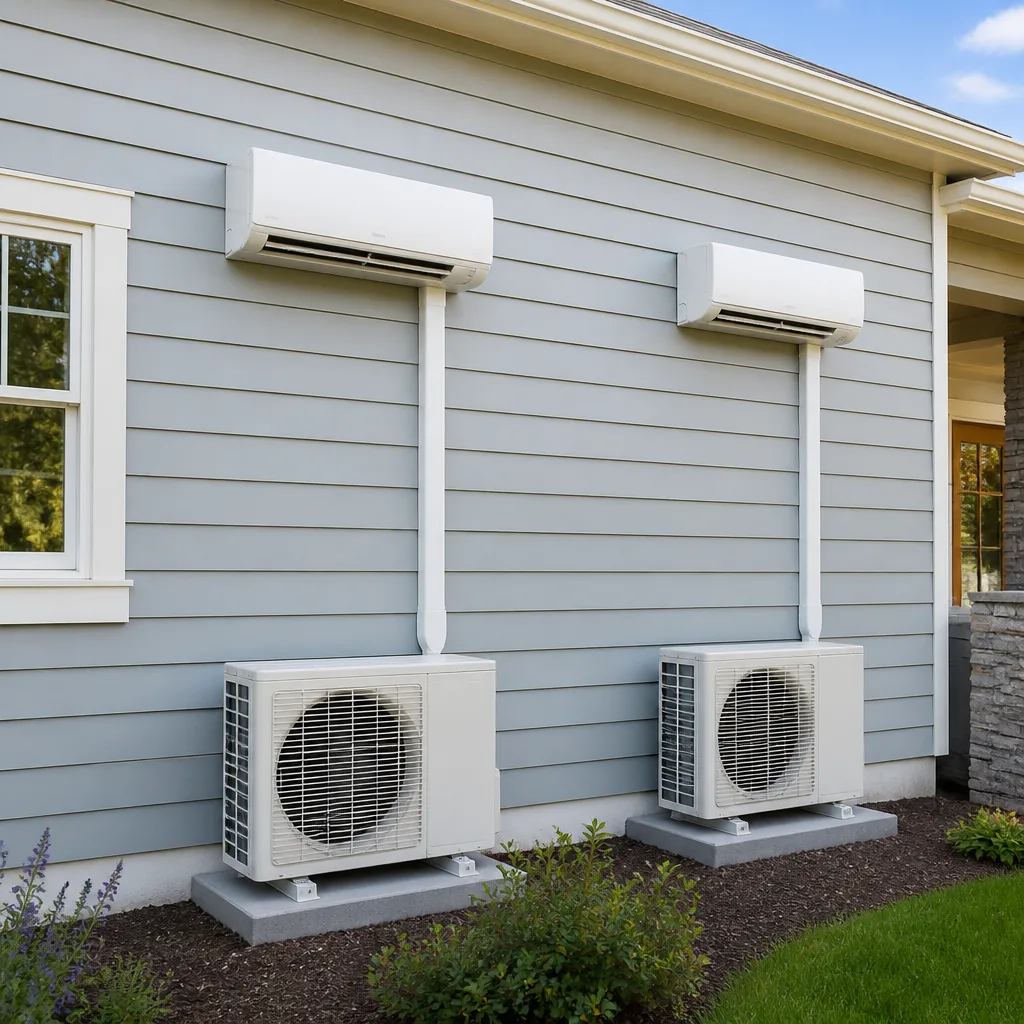 Ductless mini splits
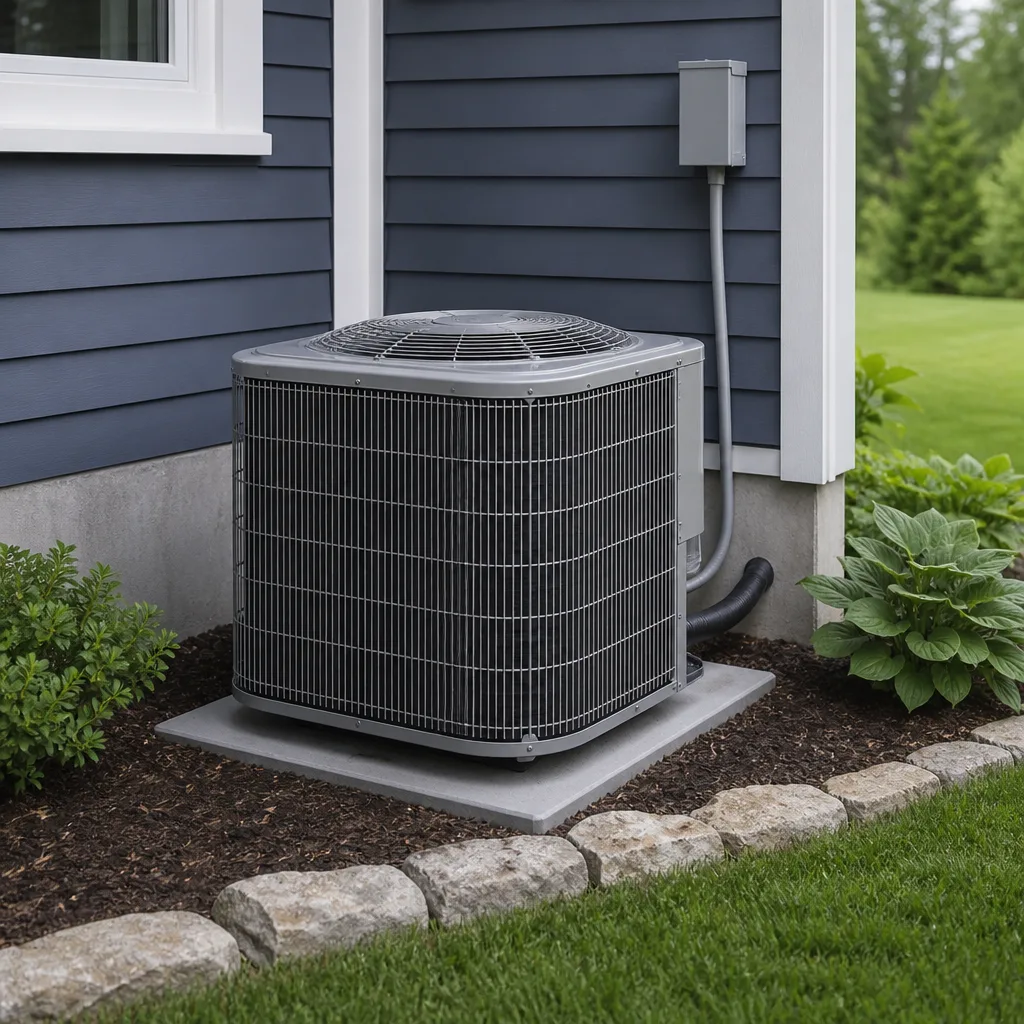 Carrier
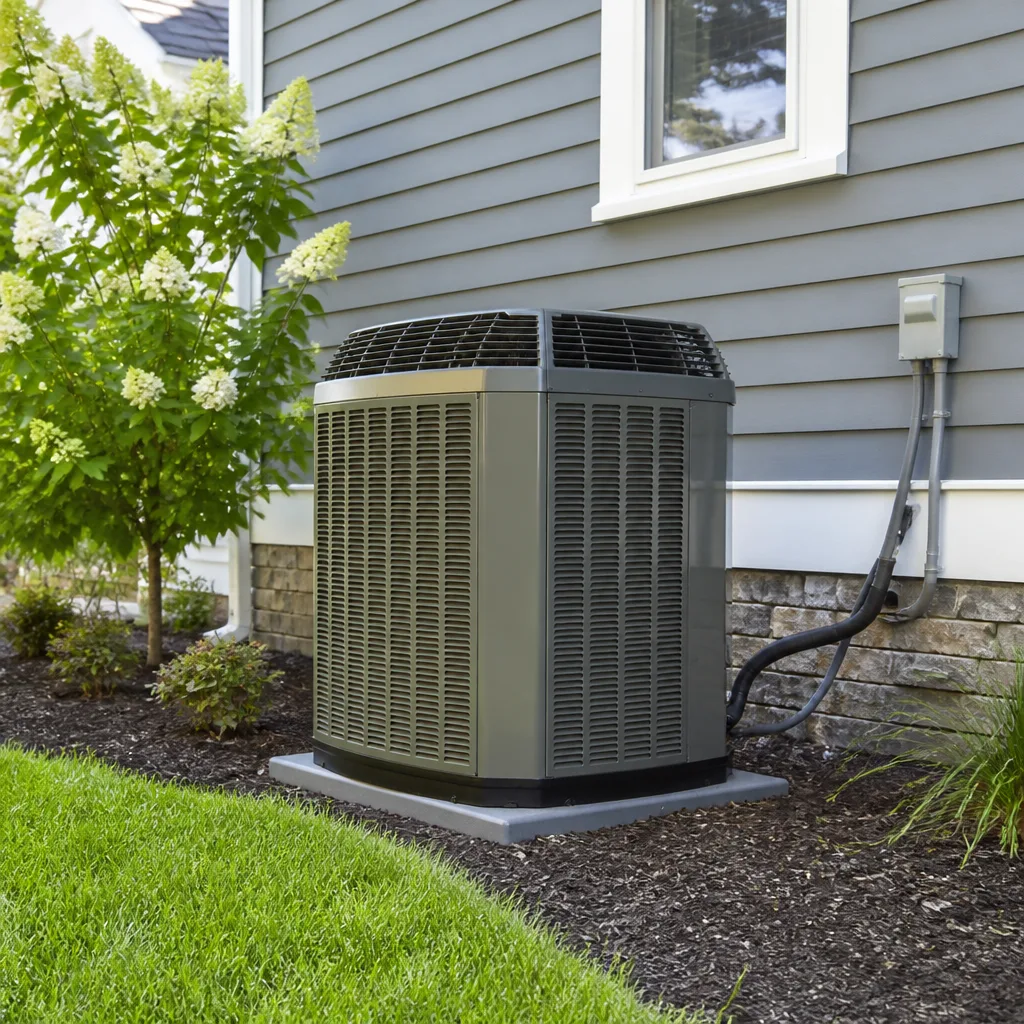 Trane
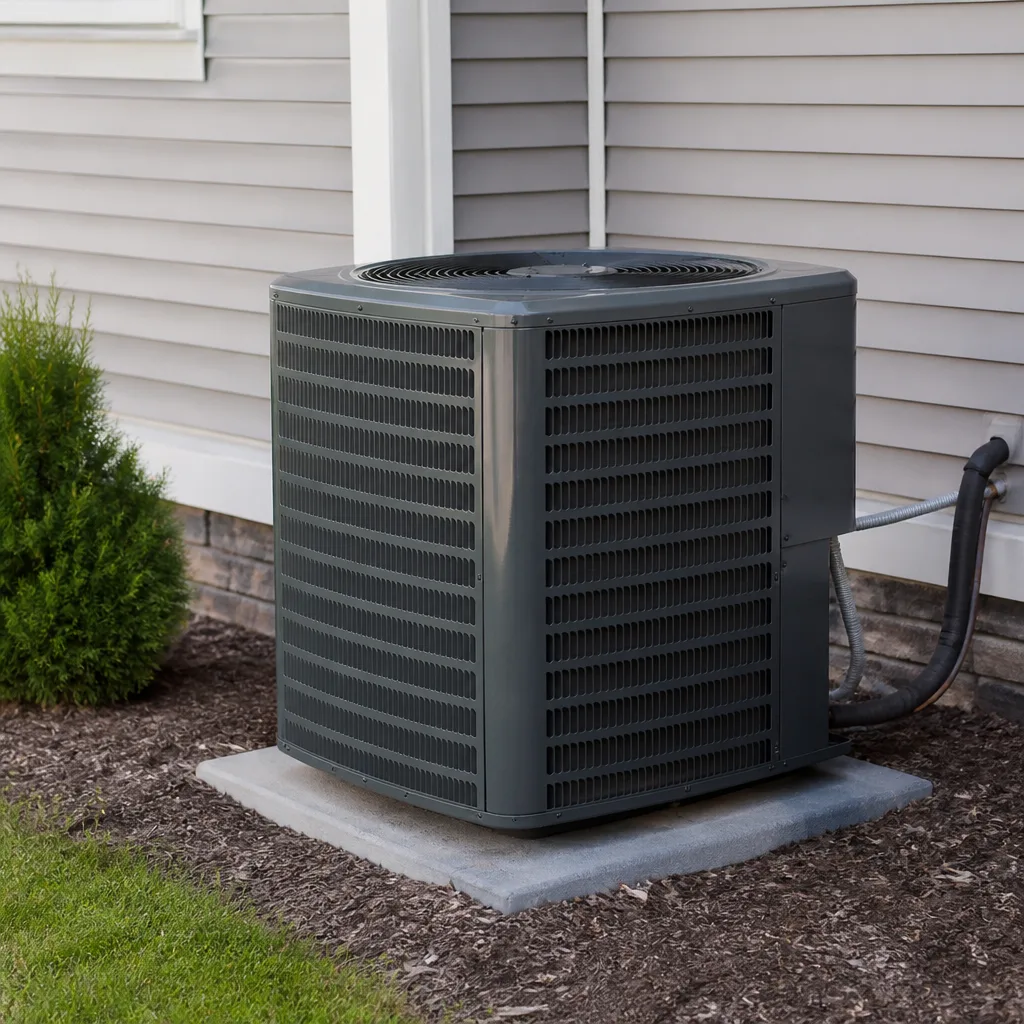 Goodman
Seasonal tune-up and full diagnostic on your Carrier, Trane, or Goodman system - readings shown to you before any repair is proposed
Diagnosis first, numbers second - you approve the repair price before a single part goes in.
Get your free estimateHVAC Emergency Preparedness Guide for Fort Myers Homes
The most dangerous HVAC problems in Fort Myers don’t start with a broken part. They start with a stretched power grid, a storm-battered condenser, and a house that’s already too hot inside. Most homeowners treat AC trouble as an inconvenience to schedule when convenient. In this climate, that assumption can turn a repair into a health situation within hours, especially for older residents, young children, and anyone with breathing problems. We wrote this guide as a safety protocol rather than a chore list. You’ll learn how to shut a system down before a storm, how to restart it safely afterward, how to spot damage the eye misses, and what to have documented long before the first wind band arrives. If an emergency is already here, call Blackwell Air Conditioning. We answer 24/7. Fast dispatch from 7am to 7pm.
Quick Answer
HVAC emergency preparedness in Fort Myers means three things: shutting your outdoor condenser down properly before a storm, restarting it in the right sequence after power returns, and having your equipment details and contractor contacts already on paper. A failed system in September heat can raise indoor temperatures fast enough to threaten elderly residents and small children, so preparation is a health measure, not just a comfort one. When something’s wrong now, call (833) 946-8616. Estimates are free and the price is always set by the written estimate.
Styles & brands we work with
- AC repair
- Furnace & heating
- Heat pumps
- Ductless mini splits
- Carrier
- Trane
- Goodman
Table of Contents
- Why HVAC Failures Are a Health Emergency in Fort Myers
- Pre-Storm Protocol: Shutting Down and Covering Your Condenser
- Post-Storm Startup: The Exact Restart Sequence
- Spotting Storm Damage That Needs Professional Assessment
- Interim Cooling Strategies During Extended Outages
- What to Document Before an Emergency
- Same-Day Repair: What to Expect When You Call
Why HVAC Failures Are a Health Emergency in Fort Myers
An AC failure in Fort Myers is not the same event it is in a cooler climate. When the heat index climbs toward 105°F and the house stops moving air, the indoor temperature can rise quickly, especially in a home with poor shading or a west-facing wall. That’s when a mechanical problem becomes a medical risk.
The people most at risk aren’t only the elderly. Young children, anyone with asthma or COPD, and people on certain medications that affect sweat response all face higher risk during extended heat exposure. A house that’s uncomfortable for you can be genuinely dangerous for a family member down the hall.
Two factors make this different in Fort Myers than in most of the country:
- Hurricane outages. A storm can take out power for days, and a working AC needs power to run at all. Preparation has to include a plan for the outage itself, not just the system.
- Long cooling season. The system runs more months of the year here than almost anywhere. More runtime means more wear, more failure points, and less recovery time between repairs.
Our technicians have up to 9 years of experience working on equipment from Rheem, York, Daikin, Bryant and five other major brands, so they know what tends to fail first in a system that’s been running hard. That experience matters most in the hours after a storm, when the question isn’t “what’s broken” but “is it safe to turn back on.”
We’ll come back to the health side throughout this guide. For now, the point is simple: the preparation you do in the calm days beforehand is what determines how bad a failure gets.
Pre-Storm Protocol: Shutting Down and Covering Your Condenser
Before a hurricane, the goal with your outdoor condenser is to keep windblown debris out of the fan shroud and coil while making sure the unit is off so it can’t try to run through a brownout. There’s a right way to do this and a set of common mistakes that end up causing damage your insurance may not cover.
Here’s the sequence we recommend for a typical Fort Myers home ahead of a storm:
- Turn the system off at the thermostat first. Switch it to OFF, not just to a higher temperature. That stops a call for cooling before you touch the outdoor unit.
- Turn off power to the outdoor unit at its dedicated disconnect. Most condensers have a small disconnect box mounted on the wall nearby. Flip it, or pull the plug if that’s the type installed. This is the step that protects the compressor from a power surge when the grid comes back on.
- Clear the area around the pad. Move anything loose that could become a projectile. Loose items are the real enemy of a condenser, not the wind itself.
- Cover the top of the unit, not the sides. A fitted cover or a plywood shield strapped over the top protects the fan grille from branches and debris. Don’t wrap the whole unit in a tarp and leave it sealed. Trapped moisture after the storm can do damage of its own.
- Secure the straps, don’t overtighten. Straps should keep the cover in place without crushing the fins or bending the fan cage.
- Take photos of everything before the storm. The pad, the disconnect, the refrigerant line set, and the unit’s data plate. Those photos are worth more than any list if you ever have to file a claim.
The mistake that causes the most trouble after a storm is skipping the disconnect. If the unit is left armed and power surges back on, the compressor can attempt a start under the wrong conditions. That’s an expensive failure that most definitions of wind damage won’t cover. The second most common mistake is covering the unit too completely, trapping moisture that corrodes the connections and coils underneath. The third is simply not photographing before the storm.
If you’re unsure where your disconnect is or whether the system is fully off, that’s a good time to call a professional before the weather turns. Call (833) 946-8616. We’re happy to walk you through it.
Post-Storm Startup: The Exact Restart Sequence
After power is restored, the restart sequence matters more than most homeowners realize. Skipping the compressor delay and rushing to hit “cool” is the single most common cause of post-storm AC failure in Fort Myers. The system needs time to stabilize before you ask it for full load.
Here’s the order we recommend:
- Confirm the outdoor disconnect is back on. Don’t touch the thermostat yet. Restore power at the disconnect first, in the order you turned it off.
- Wait. Give the system at least 5 to 10 minutes after power restoration before doing anything else. Most compressors have a built-in time delay after a power event. Trying to force a start before the delay cycles is one of the worst things you can do to a compressor.
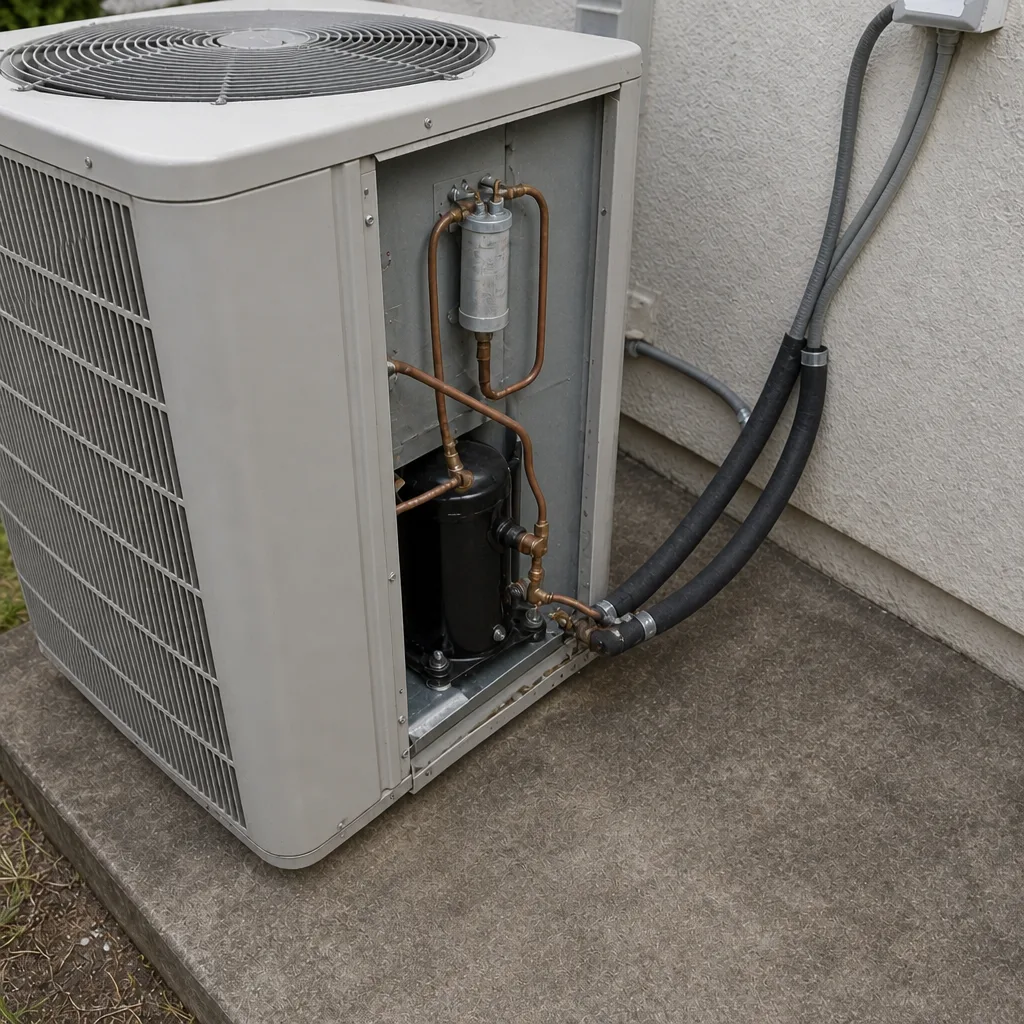
- Do a visual walk-around of the outdoor unit. Look for:
- Debris under or against the fan shroud
- Bent fins or a warped fan cage
- Hanging or strained refrigerant lines
- A shifted or cracked pad
- Broken or exposed electrical conduit at the disconnect
- Clear debris before turning anything on. A branch or piece of roof material in the fan shroud can destroy the fan motor in seconds if the unit starts.
- Check the thermostat and set to cool. Set it a few degrees above your usual target, then lower it gradually over the first hour. Don’t demand max cooling from a cold start.
- Listen for 10 to 15 minutes. You should hear the outdoor fan running smoothly and the compressor engaging cleanly. Rattles, grinding, or repeated cycling are reasons to shut it off at the disconnect and call a technician.
If you smell burning at any point, or if the unit trips its breaker on restart, stop. Those are signs of a problem that a trained technician needs to evaluate before the system runs again. The related guide on furnace repair follows the same diagnostic-first principle on the heating side: find out what’s wrong before assuming the fix.
If you’d rather not go through this sequence alone after a storm, that’s what we’re here for. Call (833) 946-8616. We answer 24/7. Fast dispatch from 7am to 7pm, Sunday through Friday.
Spotting Storm Damage That Needs Professional Assessment
Some storm damage is obvious. Some of it isn’t, and the hidden kind is usually the expensive kind. After a storm in Fort Myers, these are the damage types we’d flag for professional assessment before the system runs again.
Refrigerant lines. The copper lines connecting the indoor and outdoor units run through insulation and can sustain bends, kinks, or stress at the fittings during high winds or shifting debris. A kinked line restricts flow and eventually starves the compressor. A line pulled loose at the fitting can leak refrigerant quietly for weeks. Don’t try to fix a refrigerant line yourself. These systems hold pressure and the work requires proper tools and recovery equipment.
Electrical disconnects. The disconnect box on the exterior wall takes wind-driven rain and debris. Damage to the housing, water intrusion inside, or a loose fitting at the conduit are problems that show up as nuisance breaker trips long after the storm. Have any visible damage to the disconnect evaluated before the system runs.
Pad mounts. A concrete pad that’s shifted, cracked, or raised out of level puts stress on the lines and the cabinet. A pad that’s out of level is an alignment problem that a technician should look at before the next long cooling season.
Coil damage. Small debris driven into the coil fins at speed can be hard to see. Look for flattened sections, dented fins, or visible dimples in the coil face. Fin damage reduces airflow and efficiency, and in enough cases contributes to compressor strain.
Hidden cabinet damage. A cabinet that’s been pushed, compressed, or stressed can put the compressor and fan motor out of alignment. You may hear it before you see it.
If anything on this list applies to your unit, the safest move is to have it looked at before the thermostat goes back on. Call Blackwell Air Conditioning. Free estimates. We service nine major brands – Carrier, Trane, Lennox, Goodman, Rheem, York, Daikin, Bryant, and American Standard – so no matter what’s on your pad, we can assess it. Call (833) 946-8616.
Interim Cooling Strategies During Extended Outages
An extended outage after a storm in Fort Myers can stretch past a week, and the outdoor heat doesn’t wait. You need a real plan for keeping a house livable, not a box fan in the living room and hope.
The single most important call is which portable cooling actually fits your home. A common mistake is buying a small portable AC rated for a bedroom and expecting it to cool an entire 1,800 square foot house. It won’t. Sizing is everything.
What actually moves the needle
- A properly sized portable AC for one room, not the house. In a typical Fort Myers home, the effective strategy is to pick one room – a bedroom, a den – and cool it thoroughly. Seal the door, block the windows, and make that room the cool room. A unit sized for that room’s square footage with a proper exhaust through a window can bring the space down meaningfully.
- A window AC for one room. Similar principle. A window unit sized for the room it’s in works. A window unit sized for the whole house does not exist, and pretending it does is theater.
- Reflective window film or shutters on sun-facing windows. A simple barrier on the west-facing glass cuts the load inside the room before it becomes a problem. This is one of the few low-cost measures that reliably changes indoor temperature.
- Cross-ventilation only where it helps. An open house with all windows open can actually make things worse during the middle of the day. Save it for the cooler parts of the day and for the areas that face the right direction.
What’s mostly theater
- Whole-house fans during an outage when outdoor air is as hot as indoor air.
- Small personal fans aimed at a single person, treated as if they cool the room itself. They don’t. They move air, which helps a person, not a space.
- Portable evaporative coolers in Fort Myers humidity. Evaporative cooling works in dry climates. It doesn’t work here, and it can raise indoor moisture. Opt for a proper portable or window unit instead.
- Ice in a bowl in front of a fan, treated as a cooling system. It has a marginal effect at best and doesn’t survive a warm afternoon.
If you know a storm is coming and you rely on a portable unit, buy it before the storm. After a landfall in Fort Myers, stores sell out fast, and the units that remain are often the wrong size.
What to Document Before an Emergency
The single most underestimated prep step is documentation. When something goes wrong, the homeowner who has this ready moves through repair and insurance faster than the one scrambling through a drawer for a receipt. Here’s what to keep in one place:
- Equipment model and serial numbers for the indoor air handler and the outdoor condenser. These appear on the data plate on the equipment. Take a photo of each plate and keep the photos together.
- Installation date and installing contractor. If you don’t know when the system was installed, check the permit records with your local building department.
- Warranty paperwork. Manufacturer warranty terms vary widely. Knowing what’s covered on your system before a failure takes the pressure off the repair decision.
- Permit records. New installations and replacements almost always require a permit in most cities. Having that record supports both warranty claims and resale considerations.
- At least two contractor contacts. One you’ve used before, one you trust as a backup, and the number at the top should already be in your phone: (833) 946-8616.
- Photos of the entire system. Indoor unit, outdoor unit, line set, disconnect, and pad. Take these in good light, from a few angles.
- Insurance policy details. The declarations page, the deductible, and the claim phone number. Pull these into one folder with the HVAC documents.
- A short list of any prior service. Repairs, replacements, refrigerant top-offs. That history tells a technician volume about what’s likely to fail first.
Keep a paper copy and a digital copy. A storm that wipes out power for a week also wipes out your ability to look things up online. Blackwell Air Conditioning provides free estimates, and having your equipment details ready when we arrive makes the estimate more accurate and the repair faster.
When your system’s on its last legs and you’re weighing options, the experts you trust on AC installation will walk you through the upgrade path without pushing a brand you don’t need. Blackwell installs and services nine major brands, so the recommendation is driven by your home and budget, not by a vendor contract.
Same-Day Repair: What to Expect When You Call
When something’s wrong right now, calling is faster than guessing. Here’s what happens when you pick up the phone.
You’ll reach someone who can take your details and get a technician dispatched. We answer 24/7. A call outside dispatch hours is booked into the next opening, Sunday through Friday, from 7am to 7pm. Same-day service is often possible when the call comes in during dispatch hours and the problem is on the repair side of the work.
What we’ll ask:
- What’s the system doing? Running but not cooling, not running at all, tripping the breaker, making noise?
- What’s the model and serial? If you don’t have that handy, we’ll find it on arrival.
- What’s the thermostat set to, and what’s the indoor temperature?
- Has anything changed recently? Recent storm, recent repair, recent breaker trip?
What you should expect:
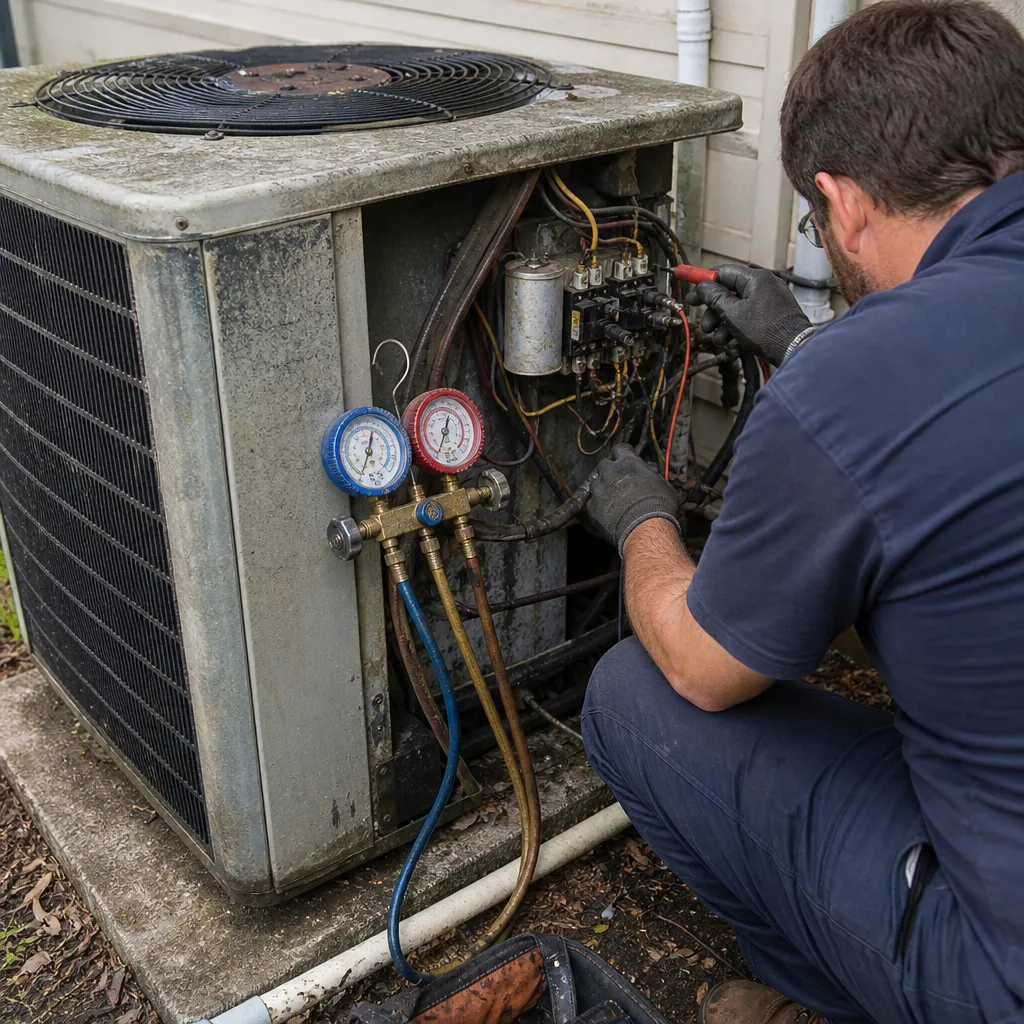
- A diagnostic visit that starts with finding the problem rather than assuming it. We repair before we recommend replacement.
- A clear explanation of what’s wrong and what the repair involves.
- A written estimate before any work begins. The written estimate sets the final price.
Replacement work – a new system, a heat pump, a full changeout – is not a same-day job. That work has to be load-calculated, ordered, and scheduled. What we promise on the replacement side is a written fixed price, a set install date, and no surprises.
See the difference
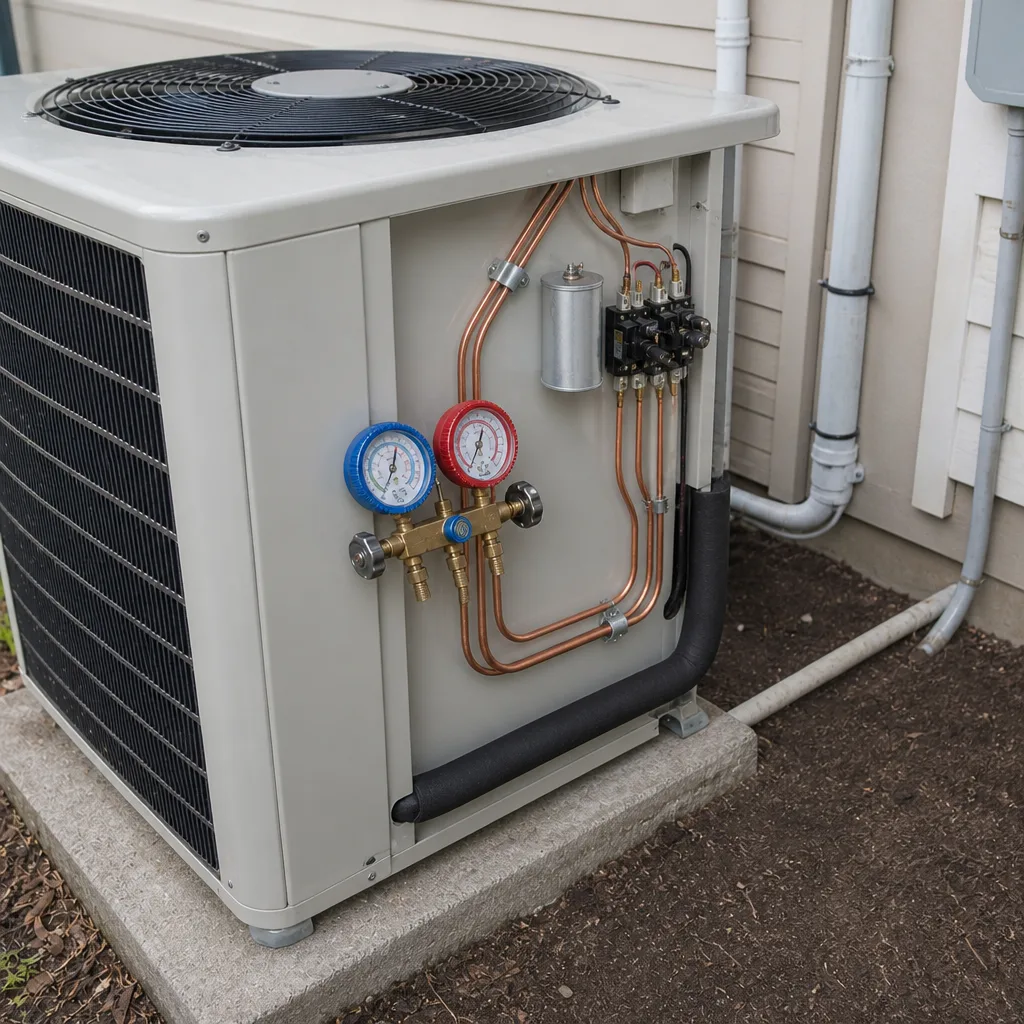
 Before
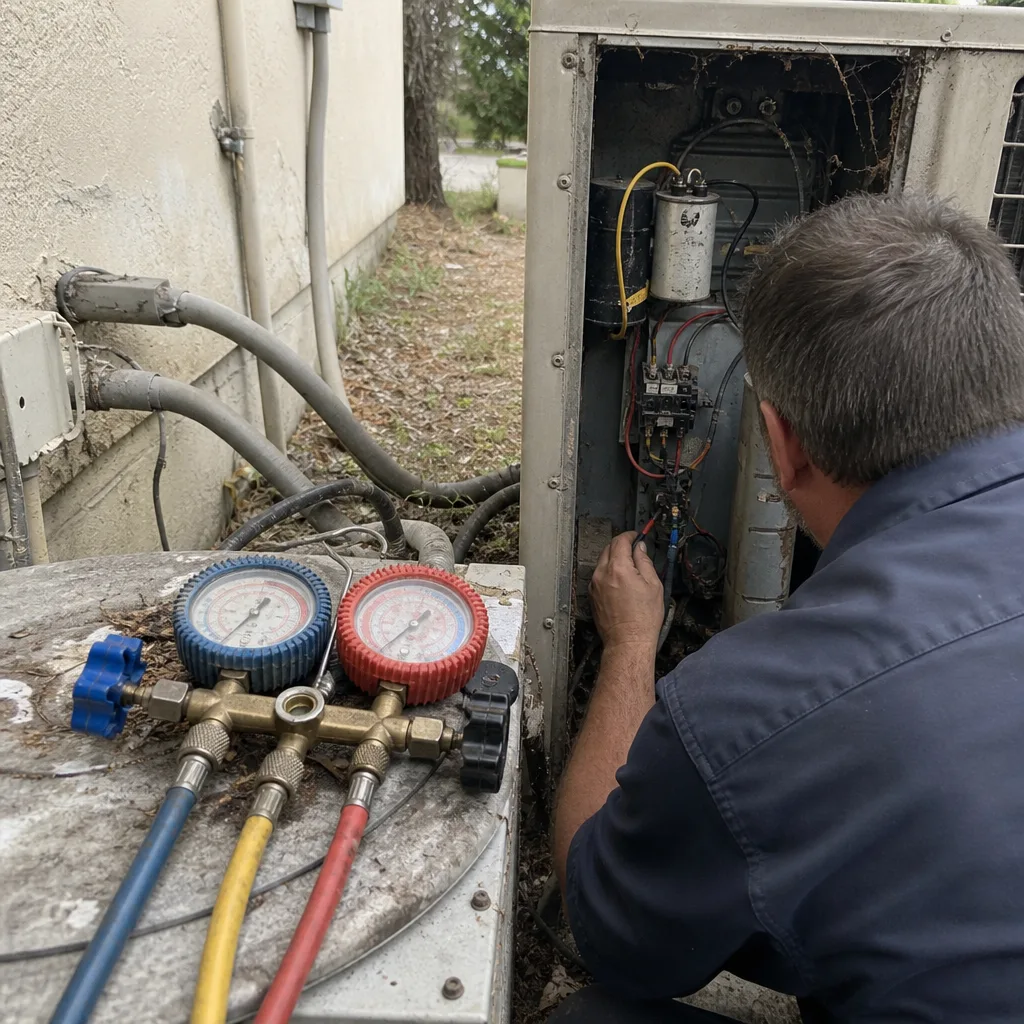
 After
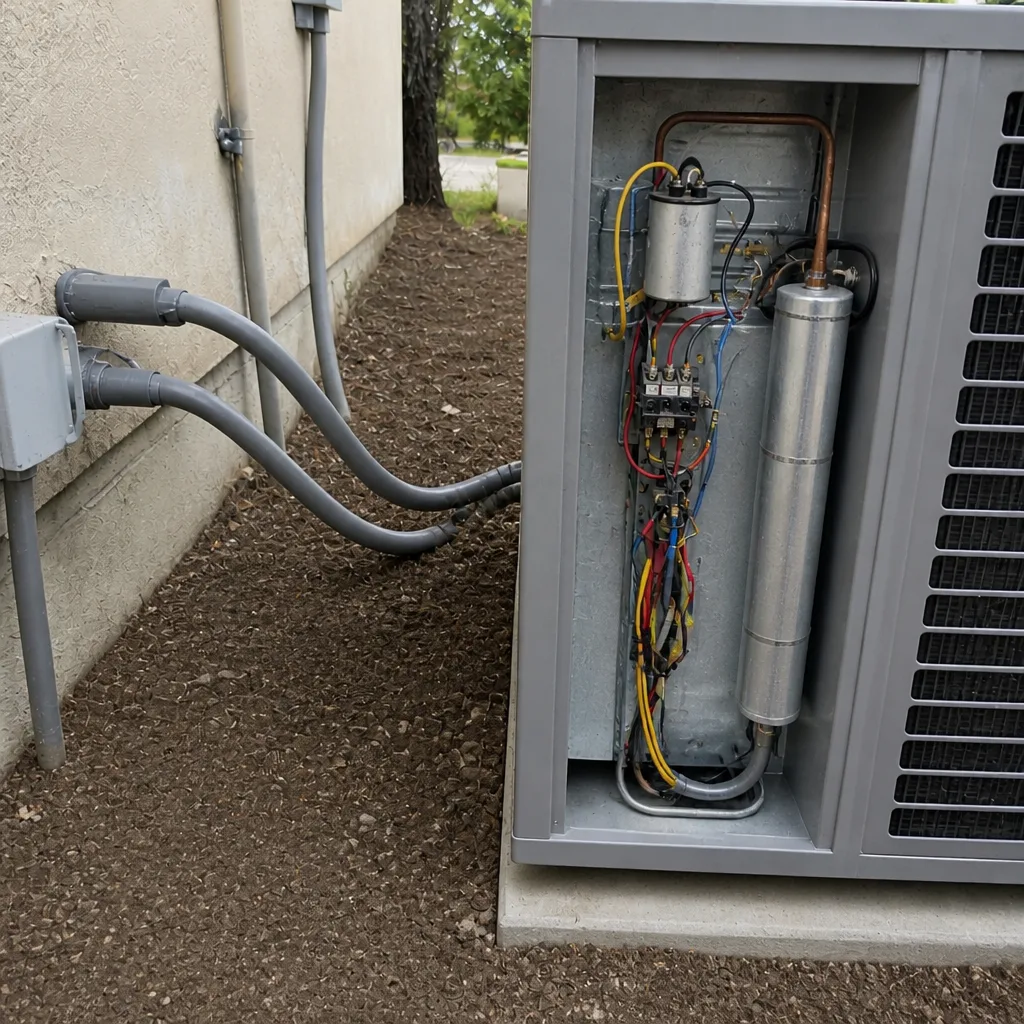
 Before
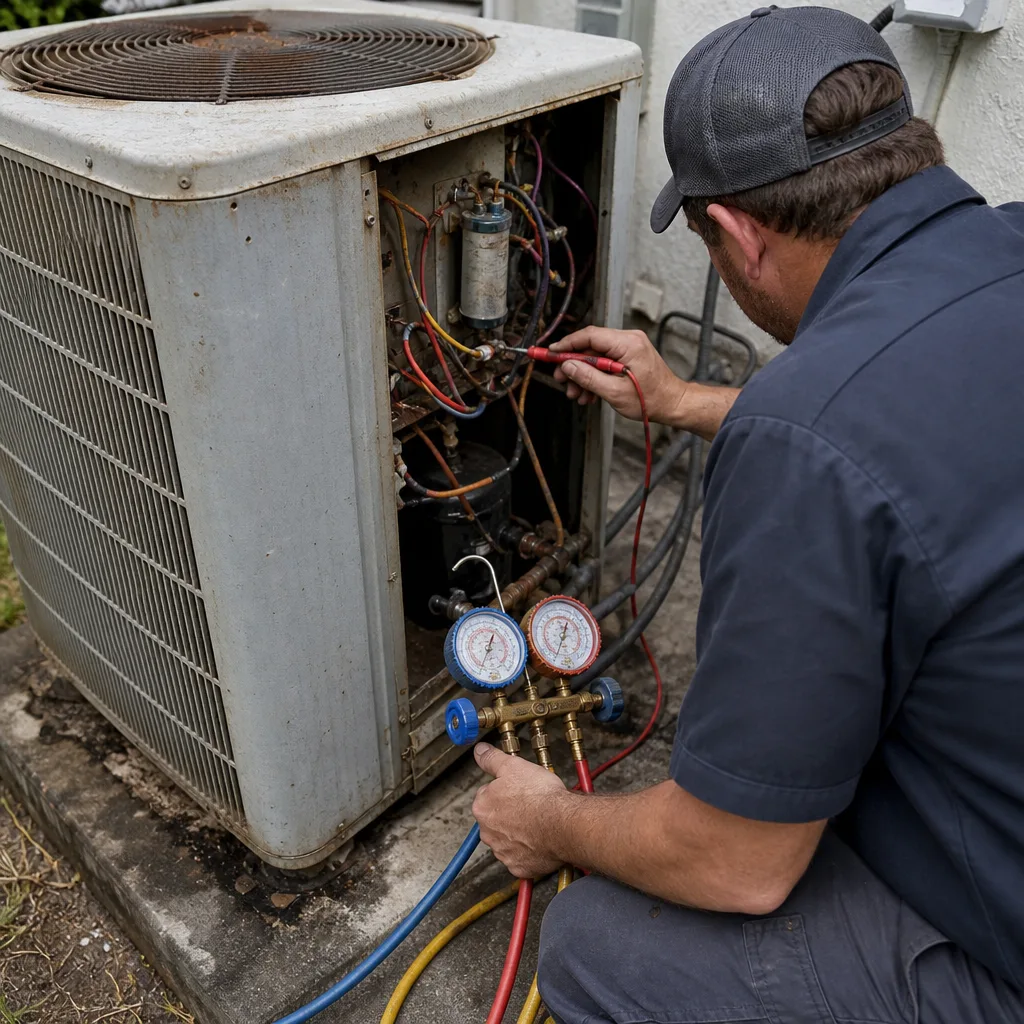
 After
 Before
 After
Common Mistakes to Avoid
- Leaving the outdoor disconnect armed before a storm. This is the mistake that most often leads to compressor failure after power restoration. Turn it off at the disconnect, not just at the thermostat.
- Wrapping the condenser in a tarp. Sealed moisture under a tarp corrodes connections and coils. Cover the top, strap it down, leave the sides breathable.
- Restarting the system the second power comes back. The compressor delay exists for a reason. Waiting 5 to 10 minutes prevents a common and expensive post-storm failure.
- Buying an undersized portable AC after the storm. A unit sized for a small room won’t cool an 1,800 sq ft Fort Myers house. Buy for one room and plan to shelter there, or buy before the storm.
- Running the system with storm debris in the fan shroud. A stick or roofing fragment can destroy a fan motor on startup. Clear the shroud before the thermostat comes on.
- Ignoring a bent refrigerant line. A kinked line restricts flow and can quietly starve the compressor. Small visual damage is worth a professional look.
- Not documenting the system before the storm. Model, serial, install date, and photos make both the repair and the insurance claim faster. Without them, every step slows down.
When to Call a Professional
Some HVAC issues are a phone call, and some are a “call us right now.” Call Blackwell Air Conditioning for any of the following:
- Your outdoor unit was exposed to storm conditions and you’re not sure it’s safe to restart.
- You smell burning, or the breaker trips when you turn the system back on.
- The system is running but the house isn’t cooling, and it’s been more than an hour.
- You see visible damage to refrigerant lines, the disconnect, the pad, or the coil.
- You need an honest assessment of repair vs. replace, and you want a technician who works across all major brands, not one brand.
- You need a repair done the same day, and the call comes in during dispatch hours.
Blackwell Air Conditioning offers free estimates in Fort Myers, and we’re here across the full life of your system: new AC installation, mid-life furnace repair, and end-of-life furnace replacement. Nine major brands, one contractor. Heating and cooling, handled together. Call (833) 946-8616. We answer 24/7. Fast dispatch from 7am to 7pm, Sunday through Friday.
Frequently Asked Questions
Yes, cover the top of the unit only. Use a fitted cover or a strapped-down plywood shield over the top to protect the fan grille from windblown debris. Don’t wrap the whole unit in a tarp. Sealed moisture underneath does more damage than the wind. Turn off the disconnect before you cover it. If you’re not sure where the disconnect is, call (833) 946-8616 and we’ll walk you through it.
Restore the outdoor disconnect first, wait at least 5 to 10 minutes for the compressor delay, visually check the unit for debris and damage, then set the thermostat. Skipping the compressor delay is the most common cause of post-storm failures. If anything looks wrong, shut it off at the disconnect and call. Call (833) 946-8616 for an exact quote. Estimates are free.
Often, yes, when the call comes in during dispatch hours and the problem is on the repair side. We answer 24/7, and fast dispatch runs from 7am to 7pm, Sunday through Friday. A call outside dispatch hours is booked into the next opening. Replacement installs are scheduled, not same-day. Call (833) 946-8616.
Before the storm, every time. After a landfall, Fort Myers retailers sell out fast, and what’s left is often the wrong size. Buy a unit sized for one room – a bedroom or den – and plan to shelter in that room. A unit rated for a bedroom won’t cool an 1,800 sq ft house. If you’re not sure what size you need, call for advice.
Coverage depends on your policy and on what caused the damage. Wind-driven damage is often covered; damage from failure to shut the system down properly is often not. That’s why the disconnect step matters. The best way to support a claim is to have photographed the system before the storm and to have a professional assessment on record. Call (833) 946-8616 for a free estimate and a documented write-up.
Four things: the equipment model and serial numbers, the install date and contractor, the warranty paperwork, and the permit records. Also keep photos of the whole system, your insurance policy details, and at least two contractor numbers – one of which should already be in your phone. Call (833) 946-8616 to have Blackwell Air Conditioning on your list.
The Bottom Line
HVAC emergency preparedness in Fort Myers is really a safety protocol for the people in your home. The shutdown step protects your compressor after a storm. The restart sequence protects the system on the way back. The documentation protects you on the insurance side. The interim cooling plan protects your household during the outage. None of these steps is complicated, and all of them shorten the recovery window when it matters. Blackwell Air Conditioning installs and repairs Carrier, Trane, Lennox, Goodman, Rheem, York, Daikin, Bryant, and American Standard, and we’ll tell you which repair or replacement actually fits your home rather than which brand pays us more.
Ready to get prepared, or need a repair right now? Call (833) 946-8616. We answer 24/7. Fast dispatch from 7am to 7pm. Estimates are free, and the written estimate sets the final price. Blackwell Air Conditioning serves Fort Myers homeowners with brand-neutral advice, honest diagnostics, and the whole system handled under one contractor.
Written by the team at Blackwell Air Conditioning.