
Last updated November 16, 2026
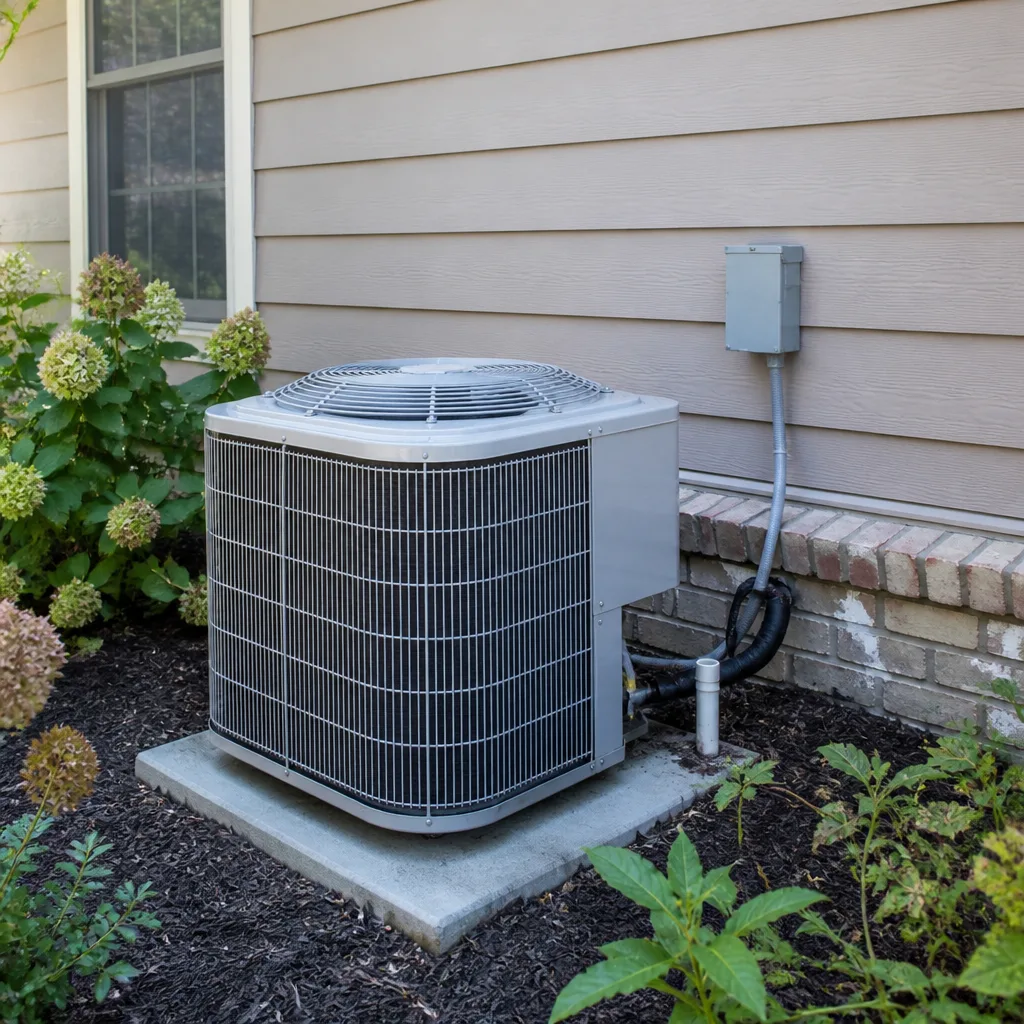 AC repair
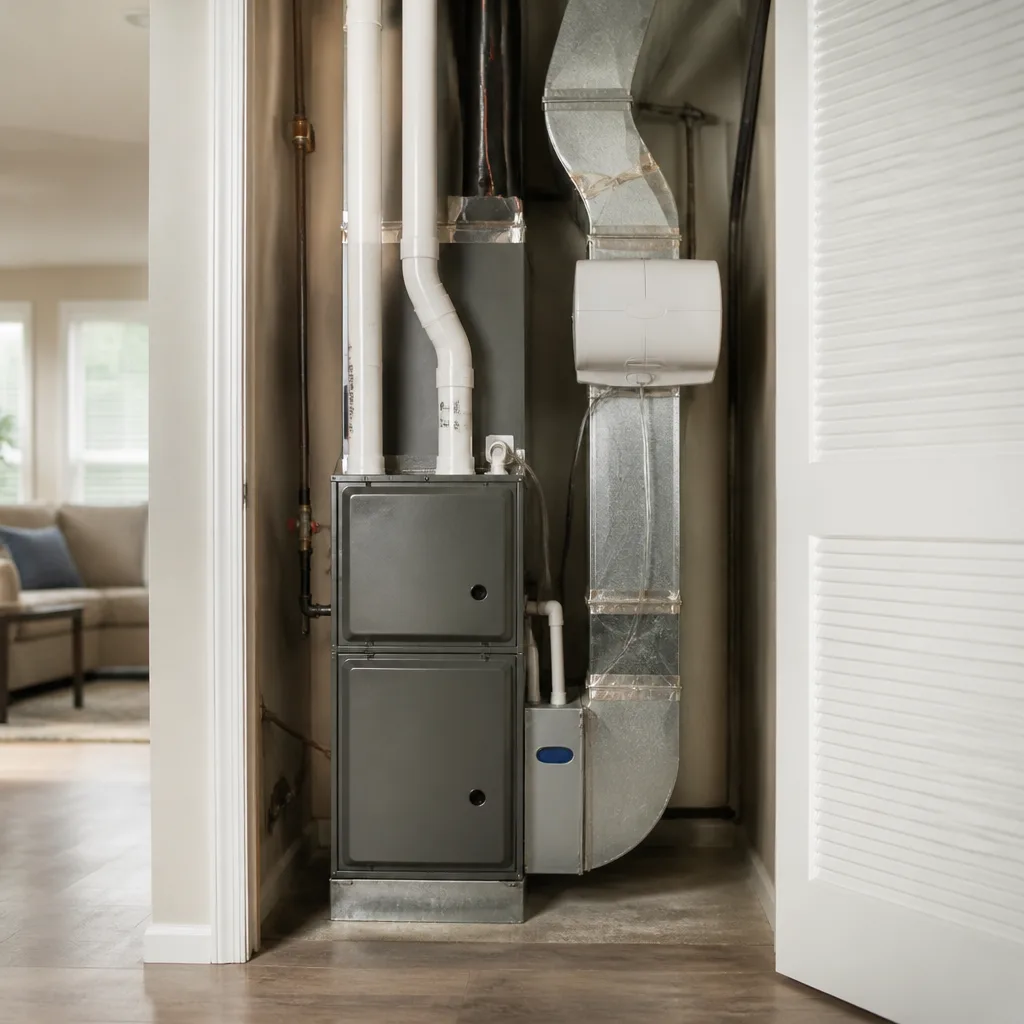 Furnace & heating
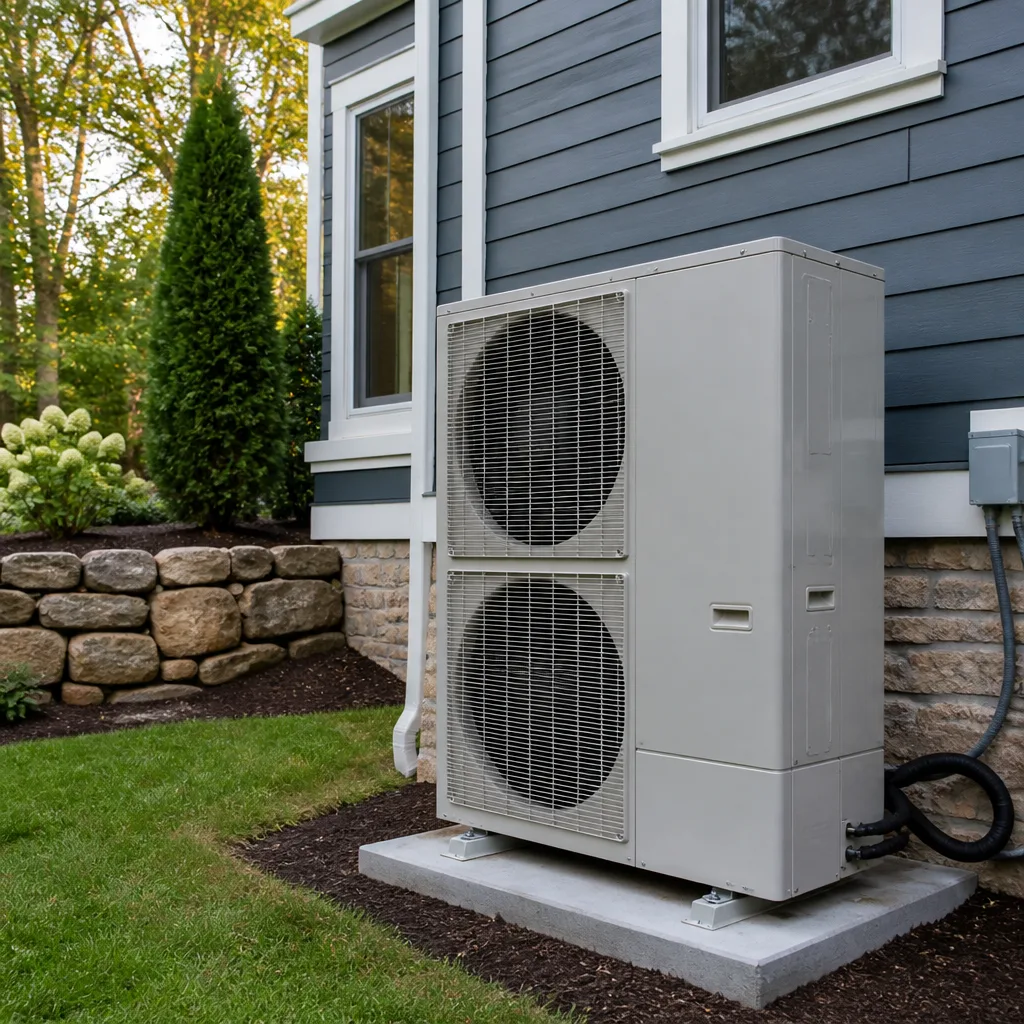 Heat pumps
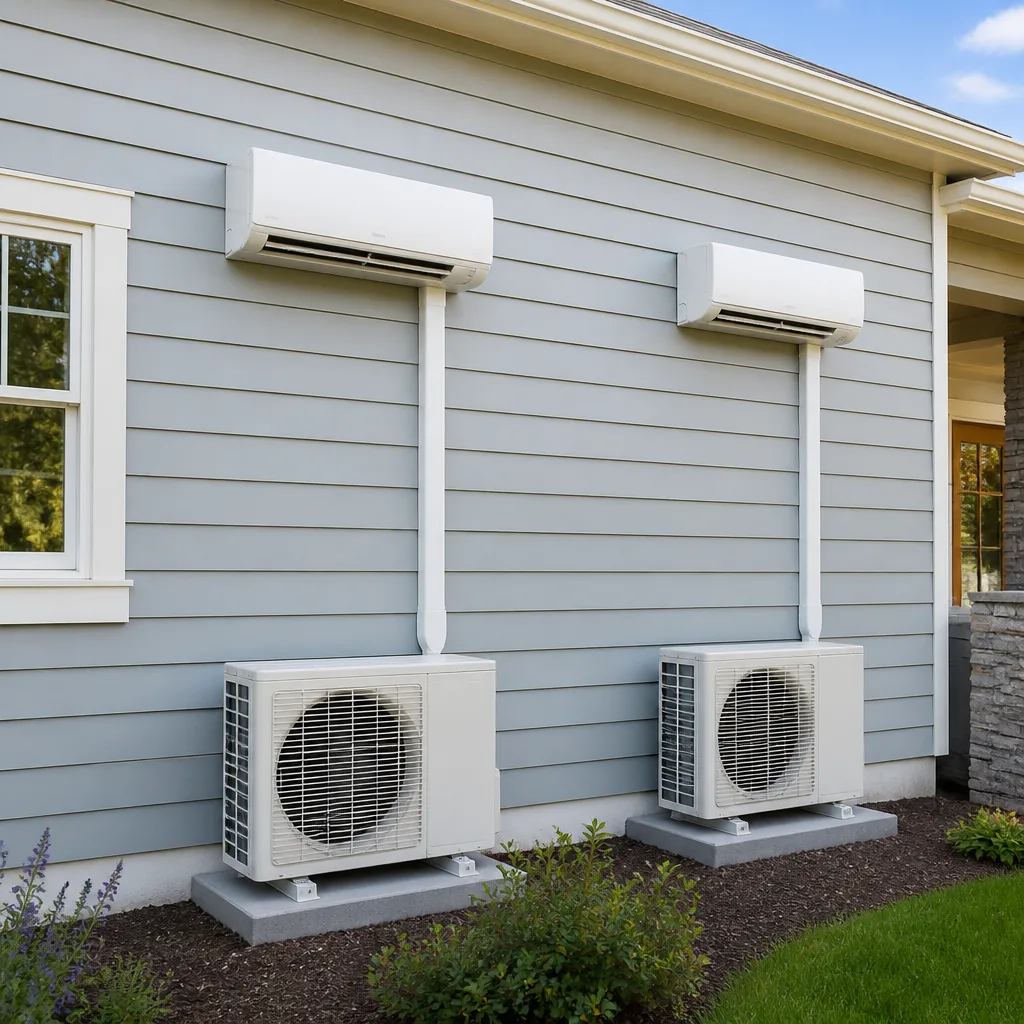 Ductless mini splits
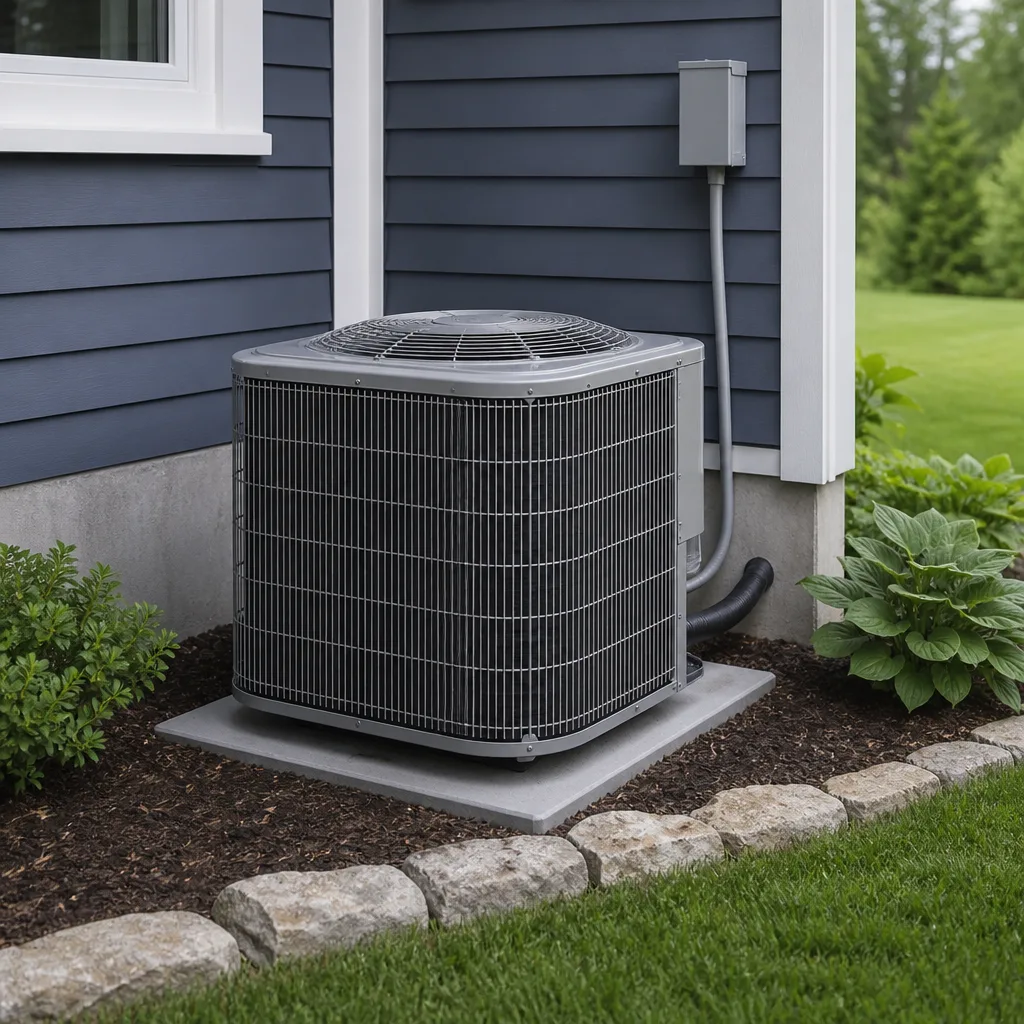 Carrier
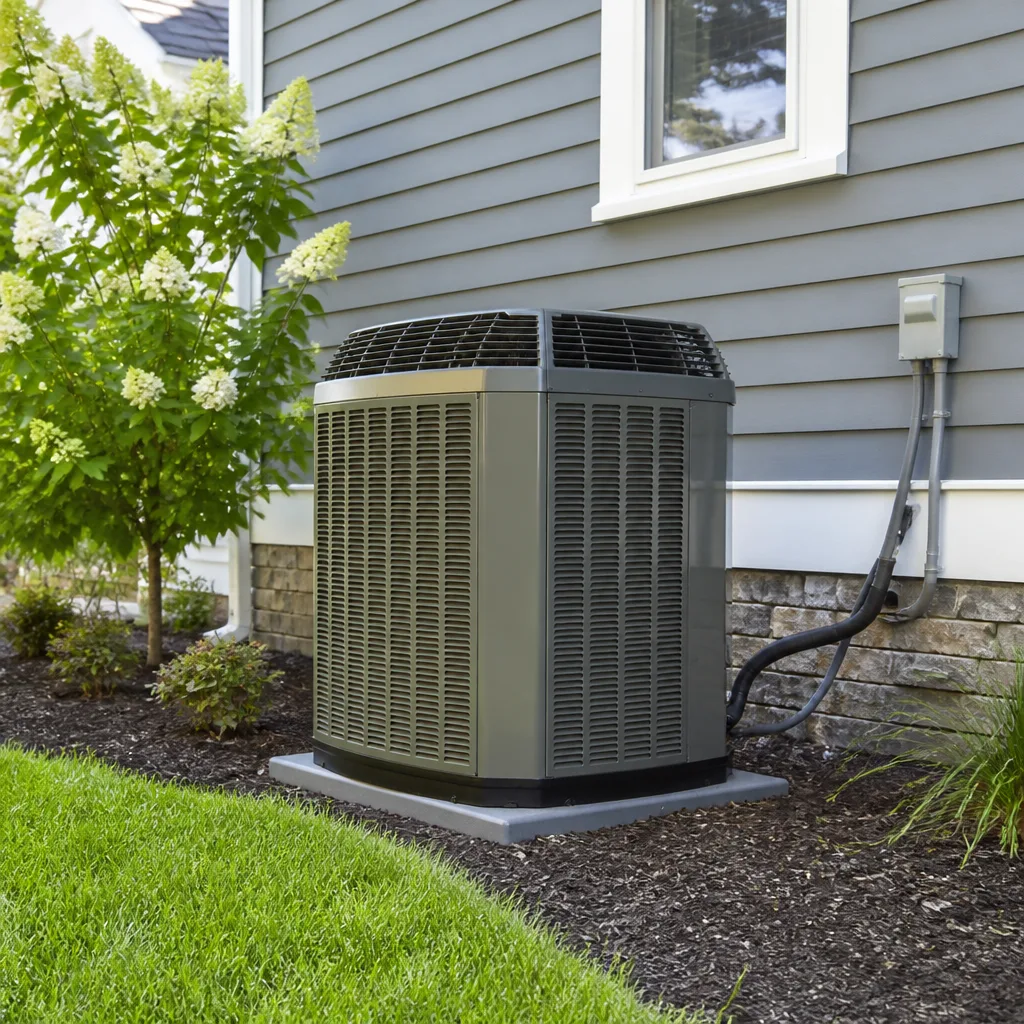 Trane
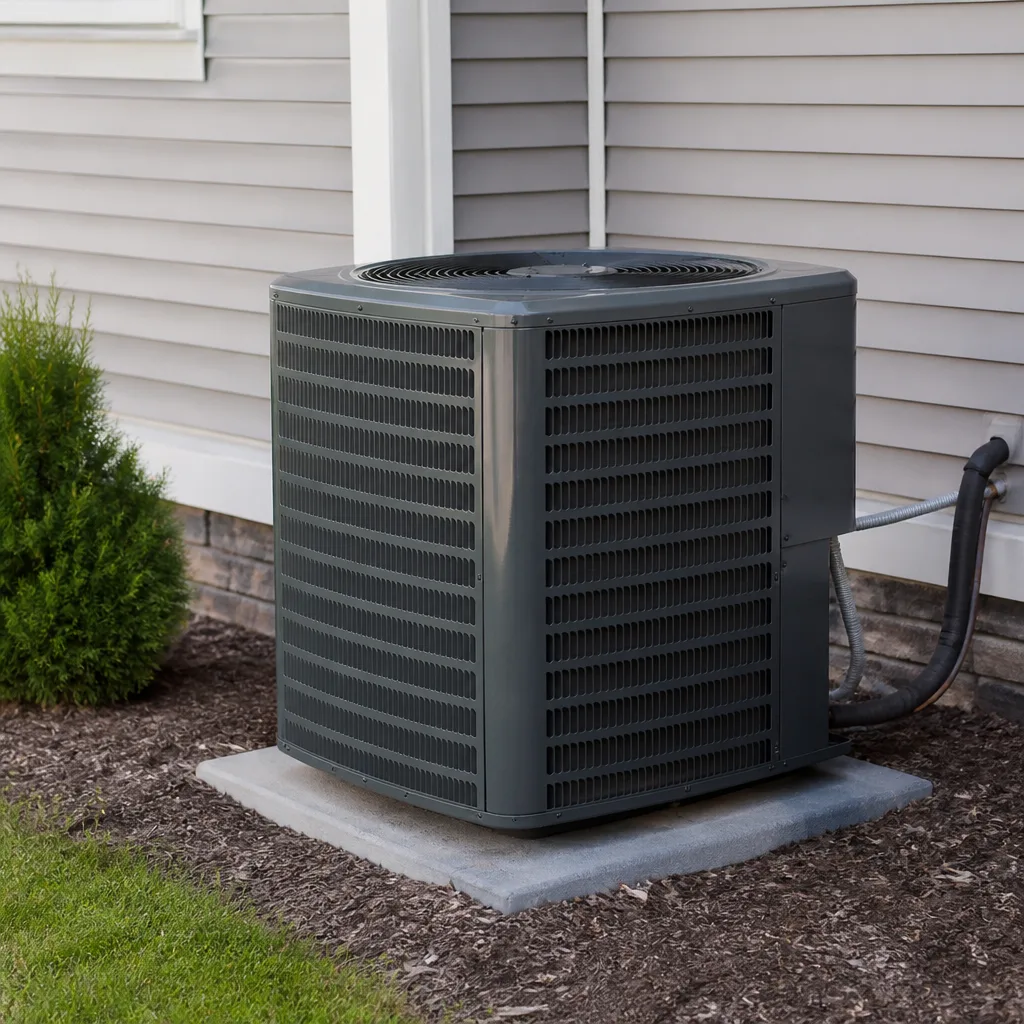 Goodman
Seasonal tune-up and full diagnostic on your Carrier, Trane, or Goodman system - readings shown to you before any repair is proposed
Diagnosis first, numbers second - you approve the repair price before a single part goes in.
Get your free estimateHVAC Cost Breakdown: The Fort Myers Homeowner’s Reference for 2026
If you’ve Googled “HVAC replacement cost” and landed on a $5,000 to $12,000 range, you’ve found a number that’s accurate somewhere in the country. Maybe not here. Fort Myers HVAC pricing runs on its own logic: a hot, humid cooling season that pushes systems hard, mild winters that mean heating equipment is often an afterthought, and a labor market where licensed mechanical contractors are in steady demand. Those three forces move the cost estimate in ways national calculators don’t capture. This guide gives you the 2026 cost ranges we actually see in Fort Myers, the variables that shift the number up or down, and how to read a quote without getting talked into the wrong system for your home.
Quick Answer
A full HVAC system replacement in Fort Myers in 2026 typically runs from about $6,500 for a builder-grade 2-ton system to $16,000 or more for a high-efficiency 4-ton variable-speed heat pump with ductwork modifications. Heat pump replacements generally land between $7,500 and $14,500 installed. Actual pricing depends on system size, efficiency tier, coil type, and whether your ductwork needs rework. On the heating side, furnace repair typically costs $200 to $650, and furnace replacement $3,500 to $7,500. Every quote should be a written, fixed price before work starts. Call (833) 946-8616 for a free estimate.
Styles & brands we work with
- AC repair
- Furnace & heating
- Heat pumps
- Ductless mini splits
- Carrier
- Trane
- Goodman
Table of Contents
- What does HVAC replacement cost in Fort Myers by system size?
- Heat pump pricing by efficiency tier
- The coil question: what type you get changes what you pay
- Labor variables: permits, access, and ductwork
- FPL rebates and how to verify them before signing
- How to build a real SEER2 payback calculation
- Repair or replace? How to decide
- Common mistakes to avoid
What does HVAC replacement cost in Fort Myers by system size?
An installed heat pump replacement in Fort Myers in 2026 typically costs between $6,500 and $16,000, depending mostly on tonnage and equipment tier. Size matters because a 4-ton system is roughly double the equipment capacity of a 2-ton, but labor and permit costs don’t scale with tonnage the same way. That’s why the gap between a 2-ton and 4-ton install is often smaller than homeowners expect. A 2-ton builder-grade replacement sits around $6,500 to $8,500. The same tonnage in mid-efficiency equipment runs $8,000 to $10,500, and a high-efficiency variable-speed set lands at $10,000 to $13,000.
Three-ton systems, the most common size for a single-family home in the Fort Myers area, start around $7,500 for builder-grade and climb to $12,000 to $14,000 for premium-tier equipment. Four-ton systems, typical in larger homes or additions, start at $9,000 and can reach $16,000 or more when ductwork modifications are involved.
Here’s a rough 2026 breakdown by size and tier:
- 2-ton heat pump: builder-grade $6,500 to $8,500; mid-efficiency $8,000 to $10,500; high-efficiency $10,000 to $13,000
- 3-ton heat pump: builder-grade $7,500 to $9,500; mid-efficiency $9,500 to $12,000; high-efficiency $12,000 to $14,500
- 4-ton heat pump: builder-grade $9,000 to $11,500; mid-efficiency $11,500 to $14,000; high-efficiency $14,000 to $16,500
- Ductwork modification (per run): typically $250 to $600
- Full duct system replacement: typically $3,000 to $8,000
- Permit and inspection: varies by scope; your contractor should itemize this
Brands like Trane, Lennox, and Goodman all make equipment at multiple tiers, so the name on the box tells you less about cost than the efficiency rating and the size of the system the home actually needs. A load calculation tells you what size your Fort Myers home requires. Without one, you’re guessing, and an oversized system short-cycles, runs less efficiently, and wears out faster.
Furnace replacement falls in a lower band here because heating loads are mild. Expect $3,500 to $7,500 for most residential replacements, with gas or electric models priced similarly at the equipment level. For a full overview of our heating work, see furnace repair.
Heat pump pricing by efficiency tier
Heat pump replacement in Fort Myers in 2026 typically runs $7,500 to $14,500 installed for a standard 3-ton system. That’s the single most common job we quote, and the great divider isn’t brand. It’s efficiency tier. Builder-grade single-stage units cost the least up front and run the least efficiently. Mid-efficiency two-stage units cost a couple thousand more and deliver steadier comfort. High-efficiency variable-speed units cost the most but hold temperature and humidity most precisely, and in a place where the AC runs most of the year, that precision is what you feel.
The tiers break down like this:
- Builder-grade single-stage: lowest install cost, simplest controls, widest temperature swing. Typically $7,500 to $9,500 for 3-ton installed.
- Mid-efficiency two-stage: better humidity control, quieter operation. Typically $9,500 to $12,000 for 3-ton installed.
- High-efficiency variable-speed: best energy performance, tightest temperature and humidity control. Typically $12,000 to $14,500 for 3-ton installed.
Where the money goes: the equipment itself accounts for the largest share of the bill, but the installation quality and materials matter just as much to long-term satisfaction. A high-efficiency system installed with a leaky duct system and poor refrigerant charge won’t deliver its rated performance. That’s why we ask about ductwork before recommending a tier.
If you want to compare our specific AC installation scope and process, that page covers what’s included in a standard install. The short version: a load calculation, a written fixed price, and a scheduled install date. No surprises.
One practical note on brand: Trane and Lennox occupy the premium end of their product lines, Goodman and Rheem the value end. Because we install and service all four and five more, we don’t steer you toward one manufacturer’s margin. We match the equipment to your home’s cooling load and your budget.
The coil question: what type you get changes what you pay
Coil construction is one of the least discussed and most consequential cost variables in a Fort Myers HVAC quote. A basic galvanized or bare copper coil costs less up front. A coated coil costs more. Over five years, the gap often narrows or reverses entirely because of how each holds up in humid air and how often it needs cleaning or replacement.
Why it matters here specifically: Fort Myers sits in a hot, humid climate where the indoor coil sweats year-round, and indoor air quality, dust, and moisture all interact with coil surfaces. A coil that collects biological growth or corrodes faster needs service sooner. A coated or treated coil is more resistant to both. That’s not a hypothetical in our experience. It’s the reason we ask what coil your quote includes before comparing dollar totals.
How the coil types compare on upfront and 5-year cost:
- Galvanized/bare coil: lowest upfront cost. May need more frequent cleaning and a shorter service life in a humid indoor environment.
- Copper coil: mid-range upfront. Better heat transfer, decent durability, still susceptible to long-term corrosion if moisture and contaminants accumulate.
- Coated coil: highest upfront premium, often $200 to $500 more than an equivalent uncoated model. Better resistance to moisture-driven degradation and biological fouling over the system’s life.
When you get quotes, ask each contractor: what coil is included, and is a coated option available? The answer tells you whether they’re pricing the same system you are. A $300 difference in a quote often means a different coil, not a better deal.
Labor variables: permits, access, and ductwork
Labor is where a $7,000 quote becomes a $10,500 invoice, and it’s almost always one of three things: permits, access, or ductwork. Each one is legitimate. None of them should surprise you after the contract is signed.
Permits. Most cities and counties require a permit for HVAC replacement. Permit costs vary by scope and jurisdiction, and the contractor should list them as a line item in the written estimate. If a permit isn’t mentioned, ask. An unpermitted install can complicate future sale, insurance, or inspection of the property.
Access. Rooftop units and equipment in tight attic or closet spaces can require a crane or specialized rigging. That’s a real charge that doesn’t appear in national cost guides because it depends entirely on your home’s layout. A second-story rooftop condensing unit might need a crane. A ground-level pad install doesn’t. Ask your contractor to walk the property and confirm access before the quote is final.
Ductwork. Duct modifications are the most common reason a quote grows. Old ductwork may be undersized for the new system, leaking at the joints, or routed in a way that fights the new equipment. A new 3-ton system on ductwork sized for a 2.5-ton unit will underperform. Replacing or reworking ductwork typically costs $3,000 to $8,000 for a full system, or $250 to $600 per run for individual modifications.
- Walk the property with the estimator. Ask them to look at the attic, the outdoor unit location, and the return duct.
- Ask for a written scope that lists permits, access equipment, and ductwork as separate items.
- Confirm the price is fixed before work starts. The written estimate is the number that should hold.
- Ask what happens if access issues are discovered during removal. A reputable contractor has a policy for this and states it up front.
FPL rebates and how to verify them before signing
FPL offers rebate programs for qualifying high-efficiency HVAC systems, and for 2026 the specifics are worth checking directly with FPL before you buy, not after. The rebate amount, the eligible SEER2 level, and the equipment requirements change from year to year, and a rebate that a contractor quotes may be based on prior-year rules.
Here’s how to verify eligibility in the right order:
- Get the model numbers of the proposed equipment from your contractor, not just the brand and tier.
- Look up the specific model on the FPL rebate page. FPL publishes eligible equipment lists, and the model numbers need to match exactly.
- Confirm the install-date window. Rebates are typically tied to an installation date, and the paperwork has to be filed in the right sequence.
- Ask the contractor who files the rebate paperwork. Some contractors submit it for you, some leave it to you. Get this in writing before the install date.
- Keep copies of the invoice and the equipment data plate. FPL may require them for verification.
One word of caution: rebates are not discounts, and a contractor who tells you the price is “already after the rebate” needs to show you the paperwork. The price is the price, and the rebate arrives on its own schedule. Also, rebates don’t change the equipment that’s right for your home. A smaller high-efficiency system that qualifies for a rebate is still the wrong system if your load requires something larger.
The 2026 FPL rebate landscape is best confirmed directly with FPL. That said, don’t let the rebate be the deciding variable. Use it to tip you between two systems that both fit your home.
How to build a real SEER2 payback calculation
SEER2 is the updated efficiency metric, and it’s the number you use to figure out whether a higher-efficiency system pays back the extra upfront cost. In Fort Myers, the calculation is more favorable than in cooler climates because cooling season runs for most of the year. A system with a higher SEER2 rating saves more here, simply because it’s running more hours. But the payback depends on the rate structure, the actual runtime, and how much the equipment costs extra.
Here’s the calculation in steps:
- Find your annual cooling hours. For Fort Myers, the general range is roughly 2,500 to 3,000 cooling hours per year, depending on the home. Use a conservative estimate.
- Find your system’s capacity. A 3-ton system is 36,000 BTU/h, or 3 tons.
- Estimate annual kWh: cooling hours × system tons × 1,000 ÷ SEER2. A 3-ton system at 15 SEER2 running 2,800 hours consumes roughly 5,600 kWh per year.
- Compare the annual kWh between two SEER2 ratings. At 15 SEER2 versus 18 SEER2, the same home uses about 800 kWh less per year with the higher-efficiency unit.
- Multiply by your FPL rate. FPL’s rate structure is tiered, and the marginal rate for most households means 800 kWh of savings translates into roughly $100 to $180 per year, depending on where the household falls on the tier structure.
- Divide the upfront premium by the annual savings. A $2,500 premium divided by $140 per year is about 18 years of payback. If the premium is $1,200, the payback is closer to 9 years.
The math is imperfect, but it’s the right shape. It shows that the payback on higher-efficiency equipment in Fort Myers is real, but modest, and it depends more on how long you own the home than on the efficiency rating alone. If you plan to stay in the house for a decade or more, a higher tier often makes sense. If you’re selling in two years, the calculation is different. Ask for both options in writing, with the model numbers, and run the numbers yourself.
Repair or replace? How to decide
Repair is usually the right call until the repair cost approaches half the replacement cost, or the system is facing a second major failure. In Fort Myers, where a working AC is a health and comfort necessity for much of the year, the practical question is often simpler: how quickly can you get it running again, and does the repair buy meaningful time?
- Repair makes sense when the repair cost is well under half of replacement, the system is otherwise healthy, and the failure is a single component like a capacitor, contactor, or blower motor.
- Repair still makes sense for compressor replacements when the system is otherwise sound and the cost is meaningfully below a full replacement. It’s a judgment call, not a rule.
- Replacement makes sense when the compressor fails on an aging system, when repairs have been stacking up, or when the refrigerant type is no longer efficient to service.
- Replacement makes sense when ductwork needs major work anyway and the system will be out of warranty soon.
A diagnostic-first approach matters here. We repair before we recommend replacement, and we say why. If your system can be fixed, we fix it. If it can’t, we tell you the specific reason. For heating issues, the same logic applies, and the technicians we connect you with have up to 9 years of experience diagnosing system-level problems, not just swapping parts.
Common Mistakes to Avoid
- Pricing the equipment, not the install. The quote that looks $500 cheaper often has a thinner coil, no permit, or no ductwork allowance. Compare line items, not totals.
- Skipping the load calculation. Sizing a Fort Myers system by comparing to the old unit is a guessing game. A proper load calculation accounts for the home’s layout, insulation, windows, and orientation.
- Chasing a rebate into the wrong system. An FPL rebate on a system that doesn’t fit your home’s load is not a discount. It’s a rebate on a mismatch.
- Ignoring ductwork until it’s a problem. Leaky or undersized ducts undercut a new system’s performance. If the attic ductwork is older than the equipment, it belongs in the conversation.
- Letting a single-brand contractor steer the decision. If every quote comes back to the same manufacturer, the contractor has a margin motive. Ask for options across tiers and brands.
- Signing before the written scope is clear. Permits, crane access, and ductwork should appear as line items. Ask what’s excluded, not just what’s included.
- Treating the National Average as the Local Number. A Fort Myers quote that lands above a national cost guide isn’t automatically high, and one that lands below isn’t automatically a deal. Compare it against what the same scope costs here.
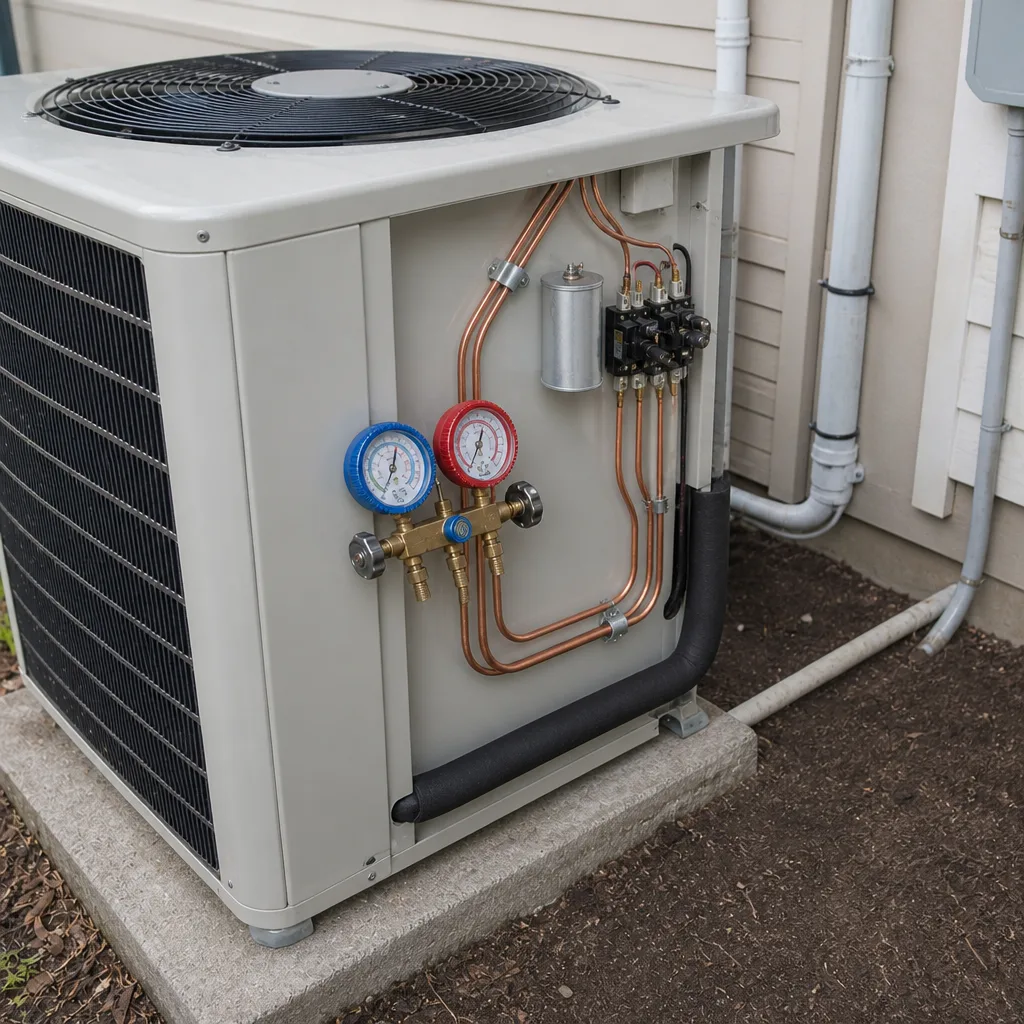
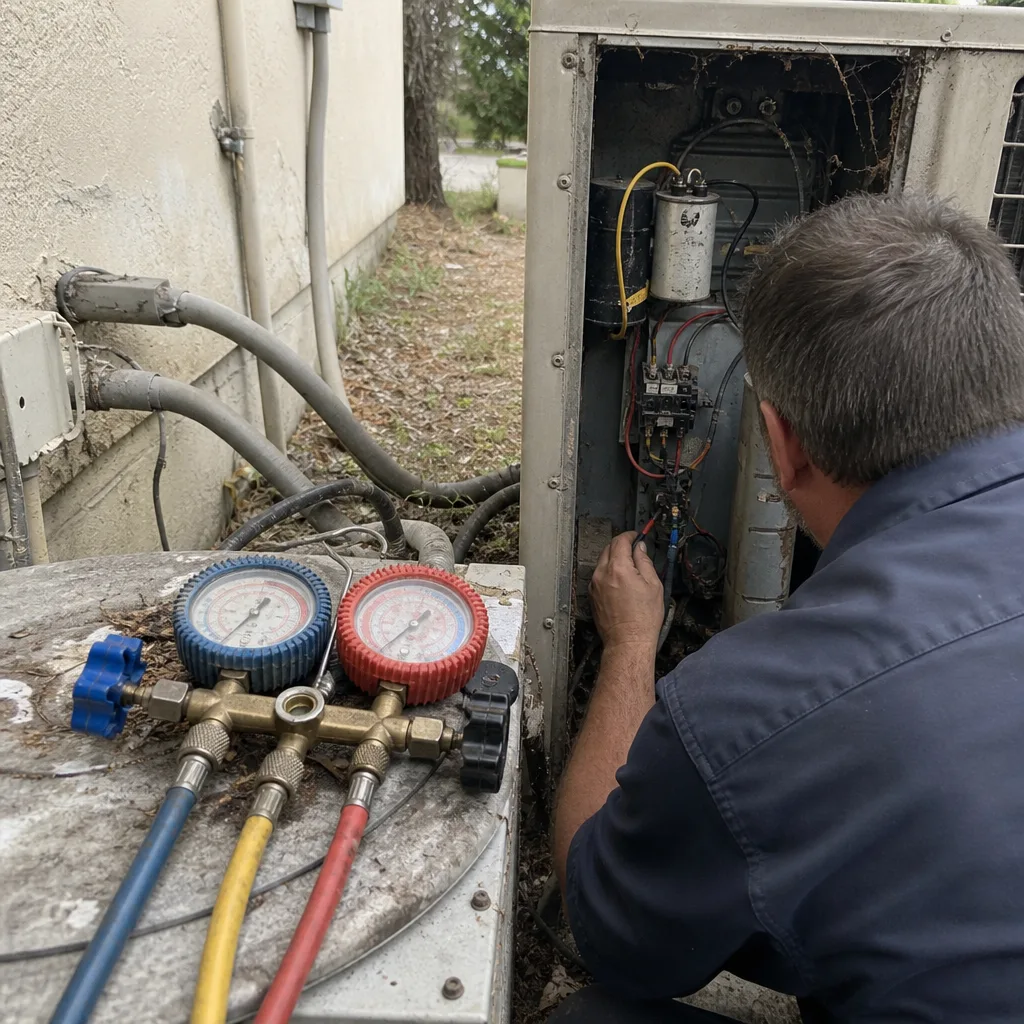
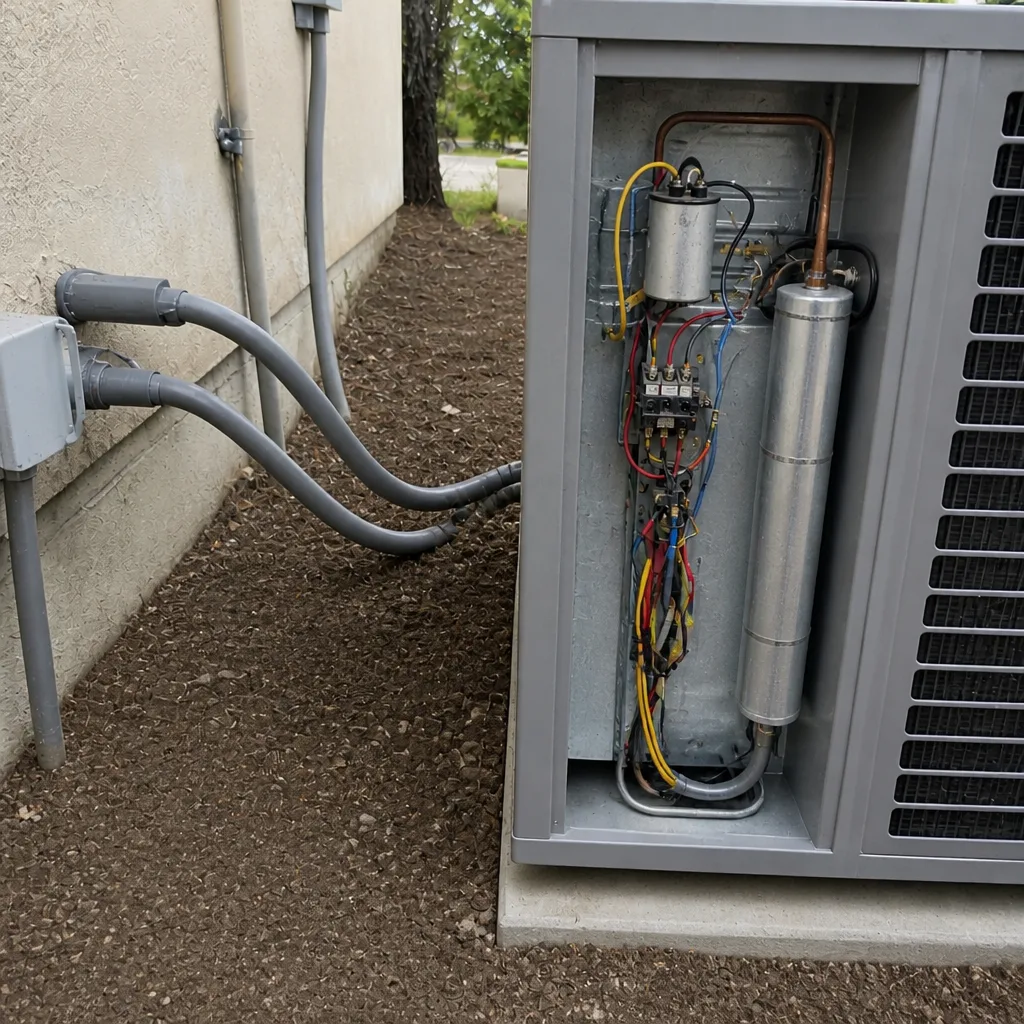
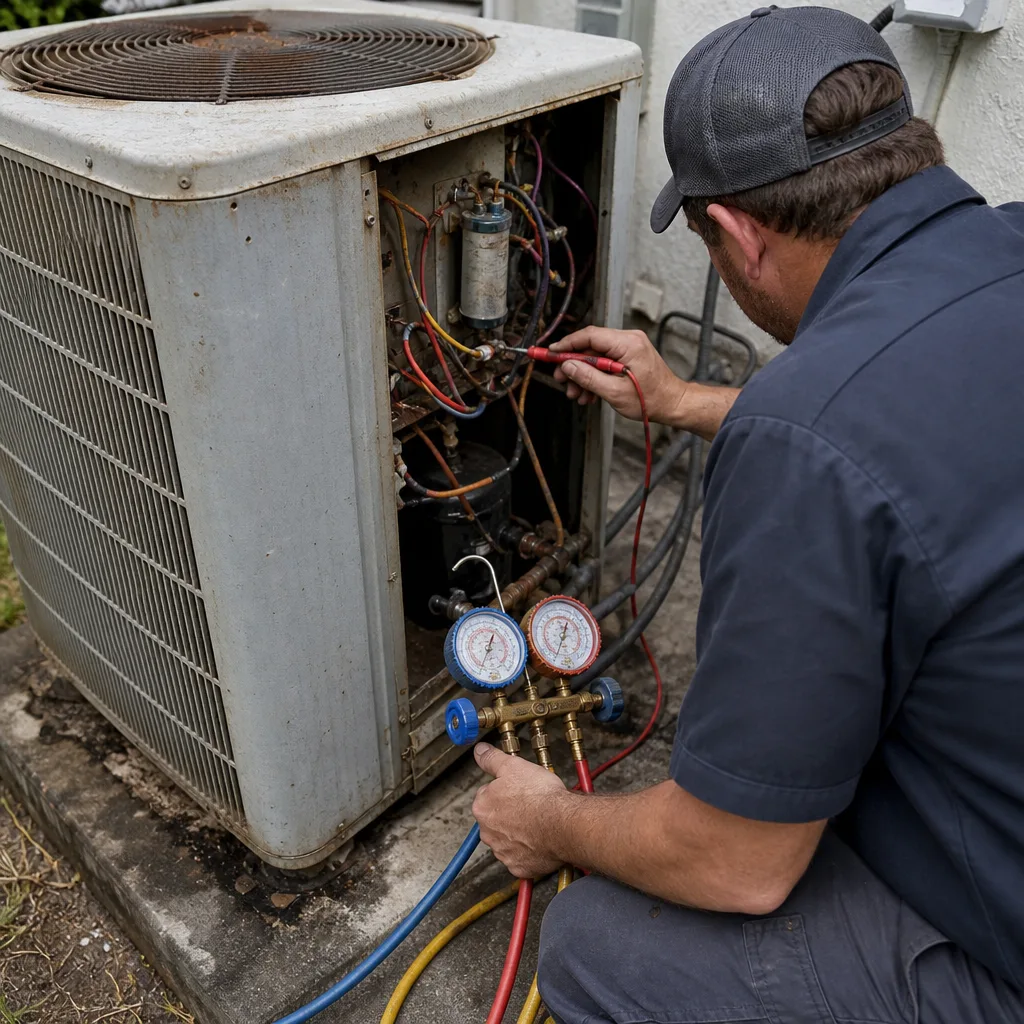
See the difference
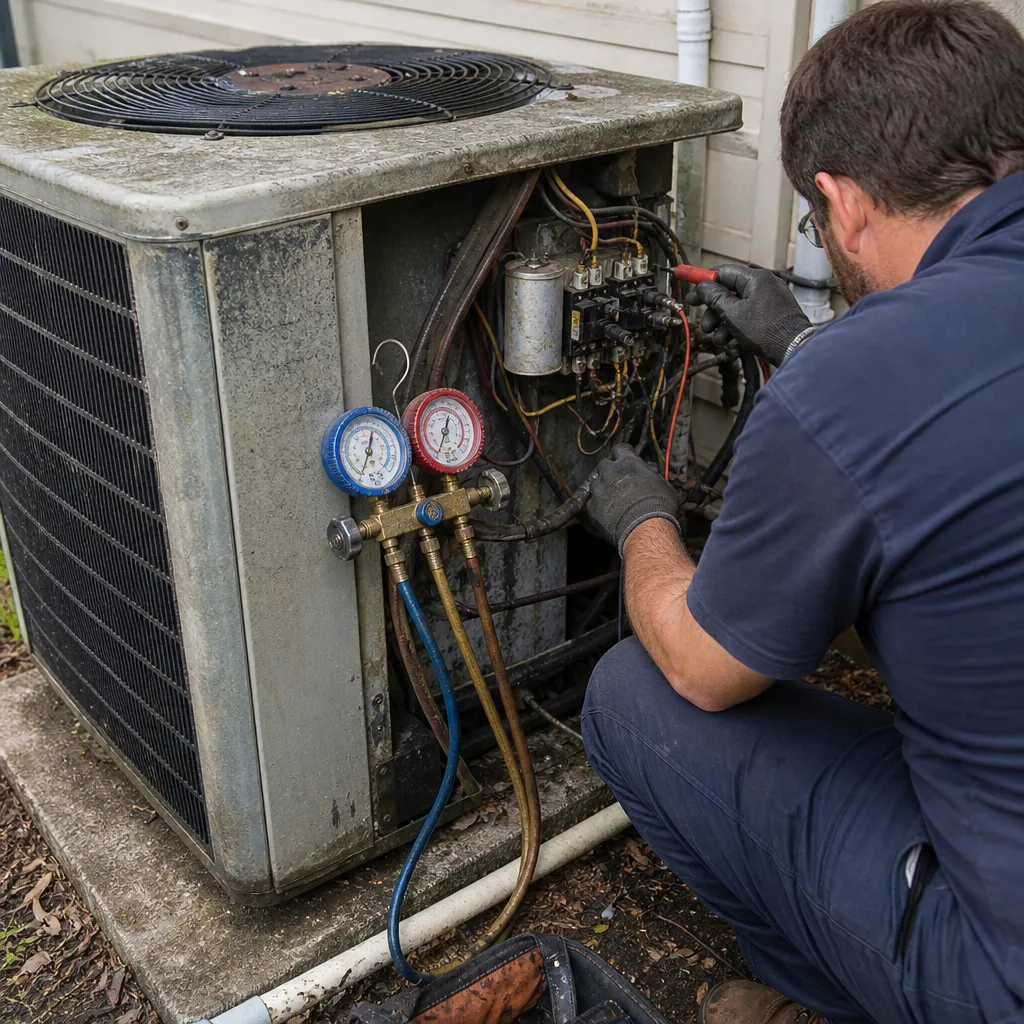 Before
 After
 Before
 After
 Before
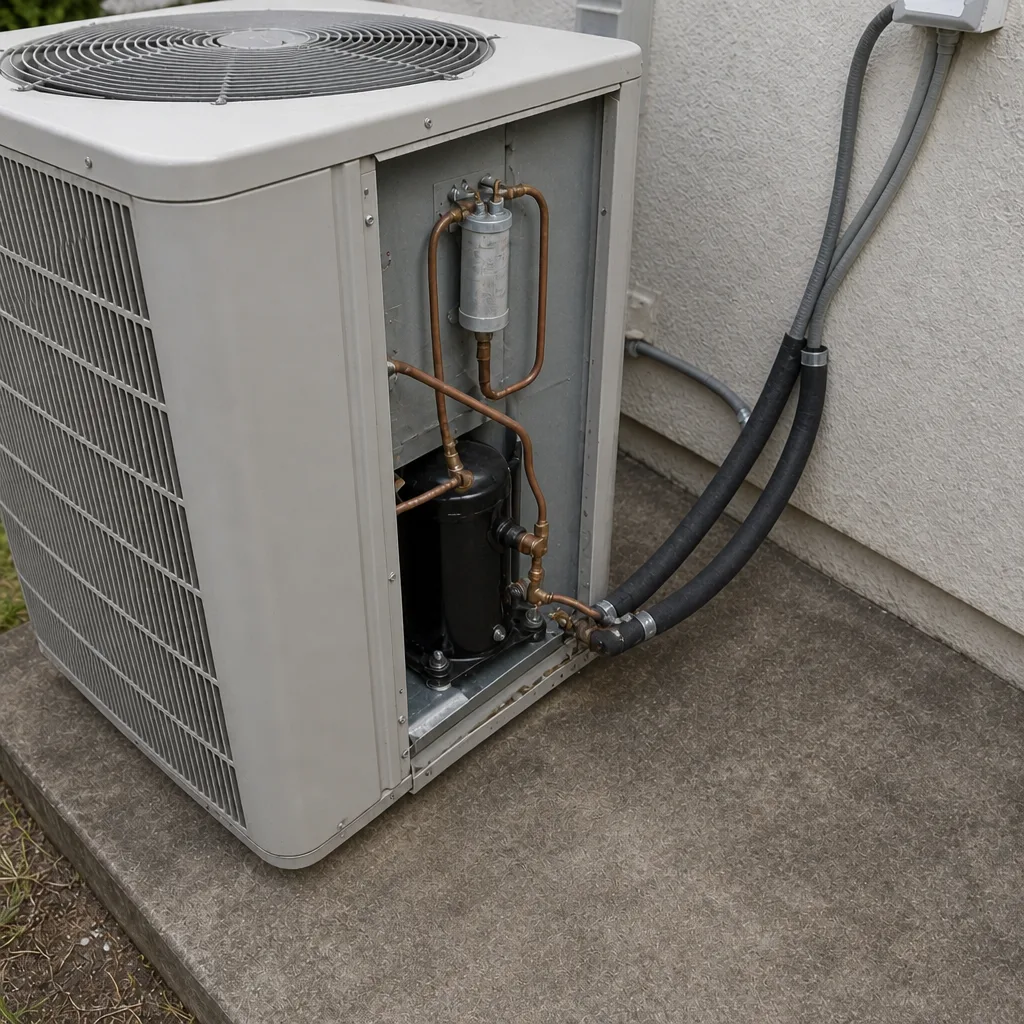 After
When to Call a Professional
Some HVAC questions are answerable over the phone, and some shouldn’t be. If your system is blowing warm air, tripping the breaker, making a new noise, or struggling to hold humidity, that’s a diagnostic job for a trained technician. If you’re comparing quotes, weighing a repair against a replacement, or trying to figure out whether your ductwork is due for rework, a professional walkthrough is the fast path to a real number. The same rule holds for heating equipment: when a furnace won’t light, smells like gas, or short-cycles, that’s a call, not a project. Gas and electrical components are genuinely dangerous to handle without training. Blackwell Air Conditioning offers free estimates in Fort Myers. Call (833) 946-8616. We answer 24/7. Fast dispatch from 7am to 7pm, Sunday through Friday.
Frequently Asked Questions
Most residential HVAC replacements in Fort Myers in 2026 run from about $6,500 for a builder-grade 2-ton heat pump to $16,000 or more for a high-efficiency 4-ton system with ductwork modifications. A standard 3-ton mid-efficiency replacement typically lands between $9,500 and $12,000 installed. Call (833) 946-8616 for an exact quote. Estimates are free.
Heat pump installation is typically more expensive than furnace installation because the system includes both heating and cooling in one unit. In Fort Myers, a 3-ton heat pump install runs about $7,500 to $14,500 installed, while a furnace replacement runs about $3,500 to $7,500. The heat pump serves both seasons, though, so the comparison depends on whether you’re pairing it with existing cooling equipment or replacing the whole system. Call (833) 946-8616 to talk through both options.
Most HVAC replacements require a permit from the local building department, and the contractor should include the permit as a line item in the written estimate. Permit costs and requirements vary by scope and jurisdiction, so confirm the specifics with the contractor and your city or county building department before work starts. Call (833) 946-8616 for a free estimate.
Yes, and you should. Get the exact model numbers from your contractor, check those model numbers against the FPL rebate equipment list, and confirm the installation date window before signing. The rebate amount and eligible efficiency level change year to year, so verify with FPL directly rather than relying on a quoted figure. Call (833) 946-8616 for a free estimate.
Repair usually makes sense when the repair cost is well under half of replacement and the system is otherwise healthy. Replacement makes more sense when the compressor has failed on an aging system, repairs have been stacking up, or the ductwork needs major rework anyway. A diagnostic-first technician can tell you which situation you’re in. Call (833) 946-8616 for a free estimate.
A standard residential heat pump replacement in Fort Myers typically takes one to two days once the equipment arrives and the install is scheduled. Ductwork modifications or access complications can extend that timeline. Replacement work is scheduled, not same-day, because the system has to be sized, ordered, and installed properly. Call (833) 946-8616 to start the process with a free estimate.
The Bottom Line
Fort Myers HVAC pricing runs higher than the national average for the same scope, and the variables are specific to the area: hot, humid cooling loads, humid-climate coil considerations, permit requirements, and a labor market where licensed mechanical contractors are in demand. Use the ranges in this guide as your starting point, confirm the coil type and ductwork scope before comparing quotes, and build a real SEER2 payback calculation before you buy up a tier. The right system for your Fort Myers home is the one that fits its load and your budget, not the one a contractor is paid to push. We’re here to help you find it. Call (833) 946-8616 for a free estimate. We answer 24/7. Fast dispatch from 7am to 7pm, Sunday through Friday.
Learn more about Blackwell Air Conditioning, our service across Fort Myers, and how we compare brands when we bring a quote together.
Written by the team at Blackwell Air Conditioning.