
Last updated November 16, 2026
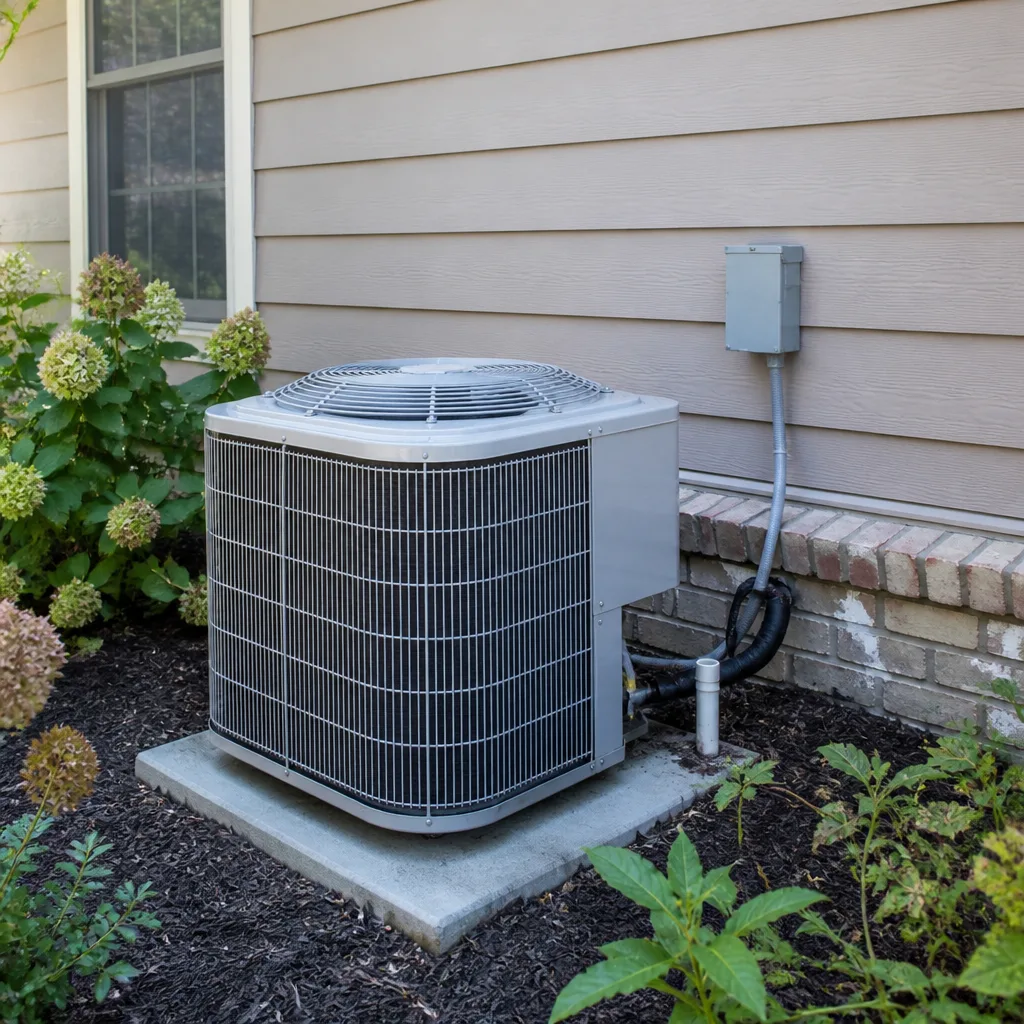 AC repair
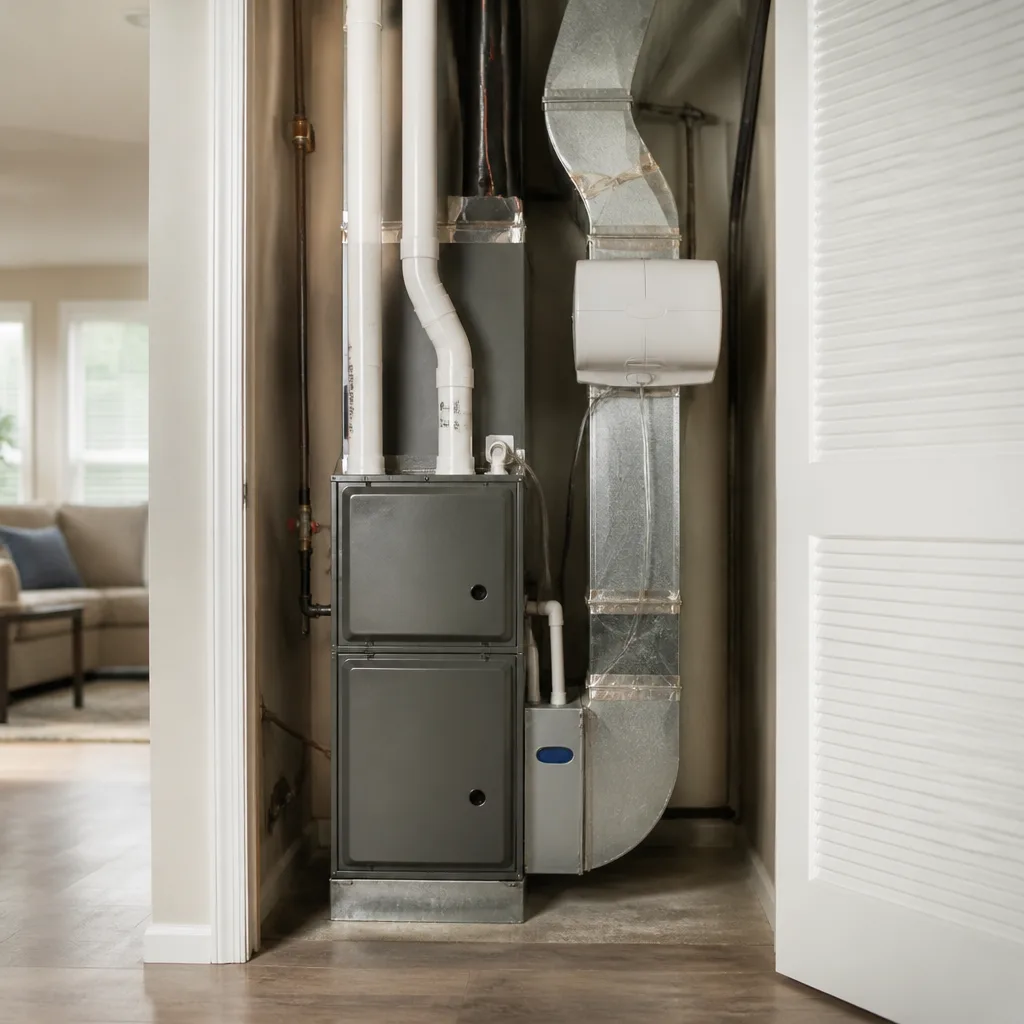 Furnace & heating
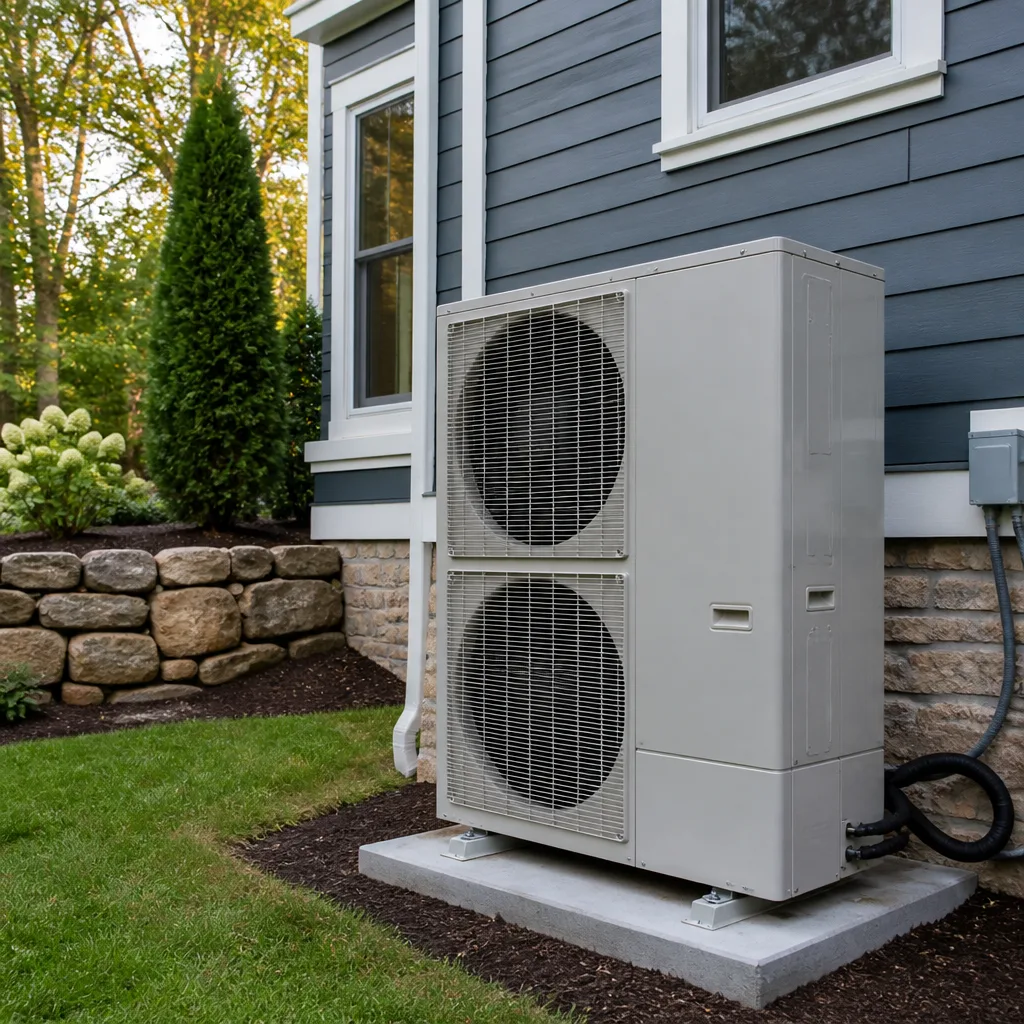 Heat pumps
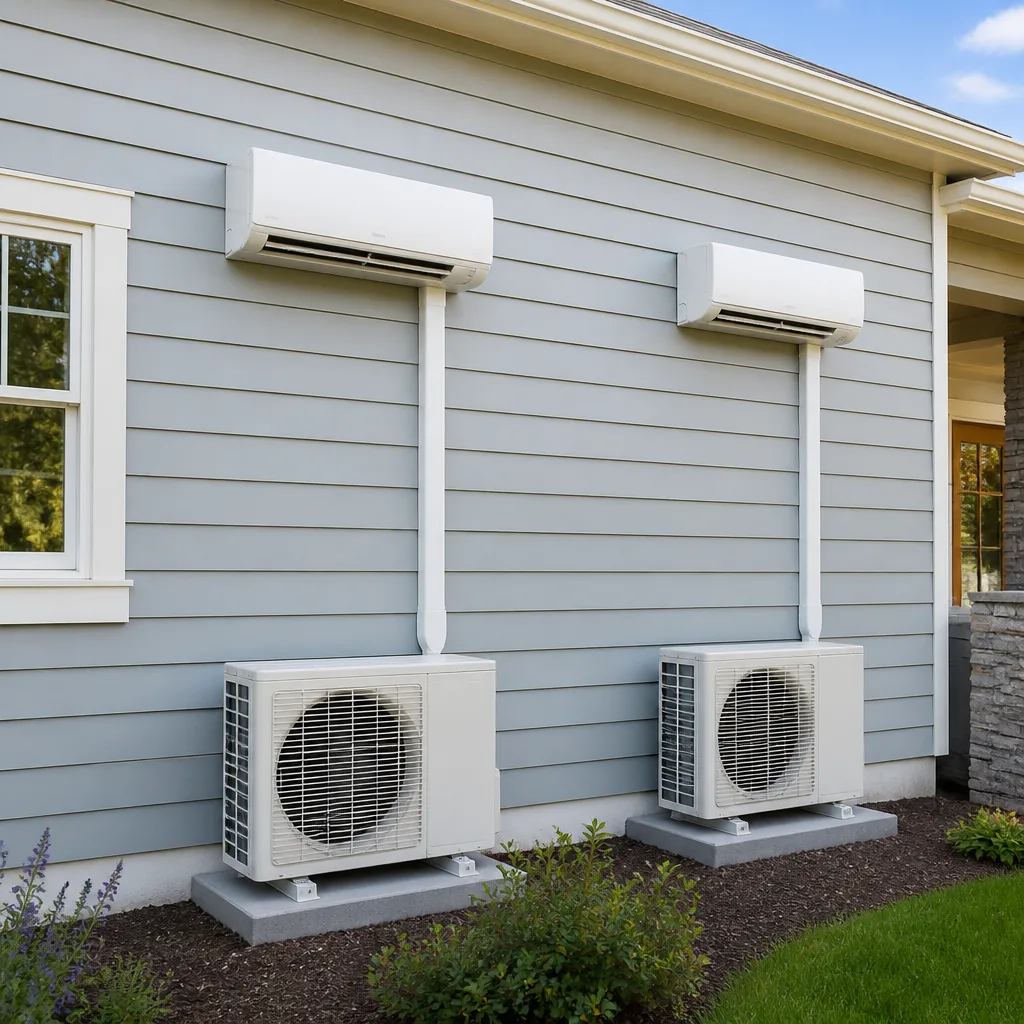 Ductless mini splits
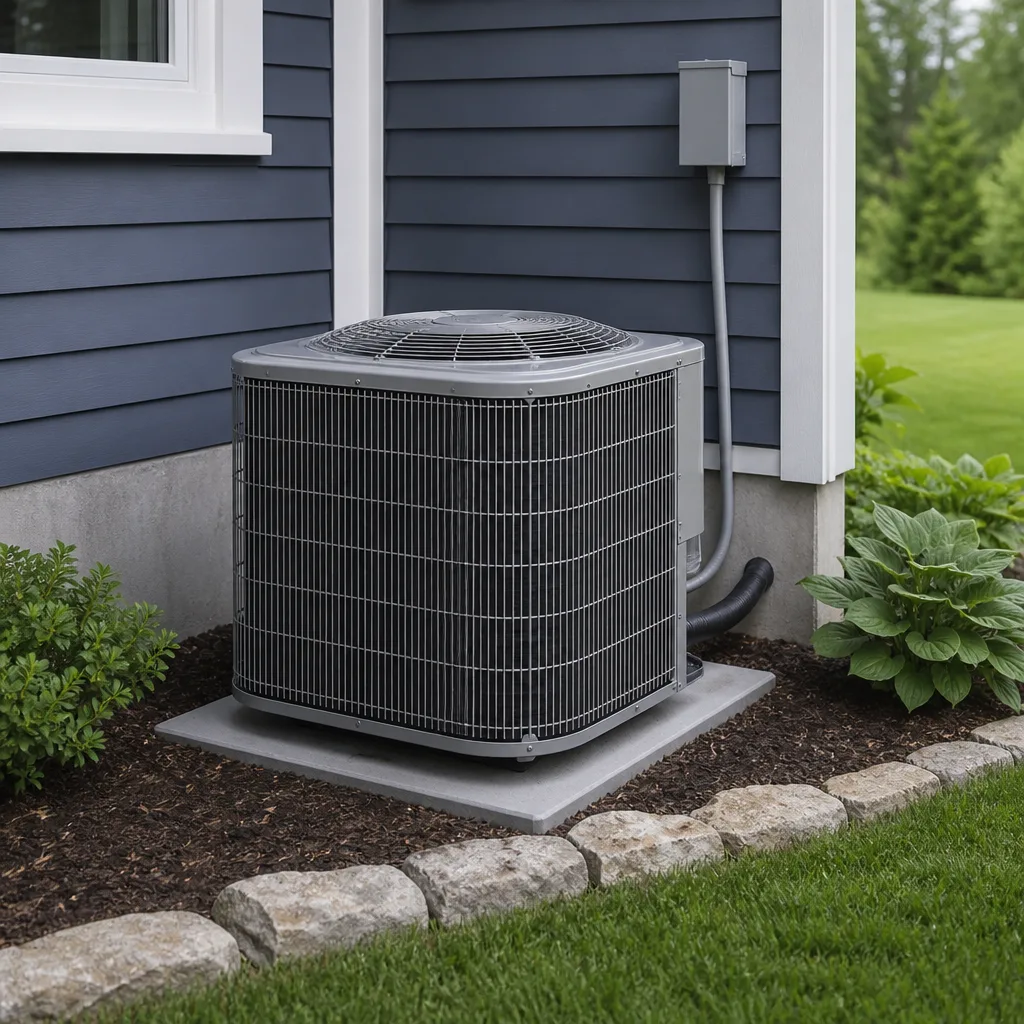 Carrier
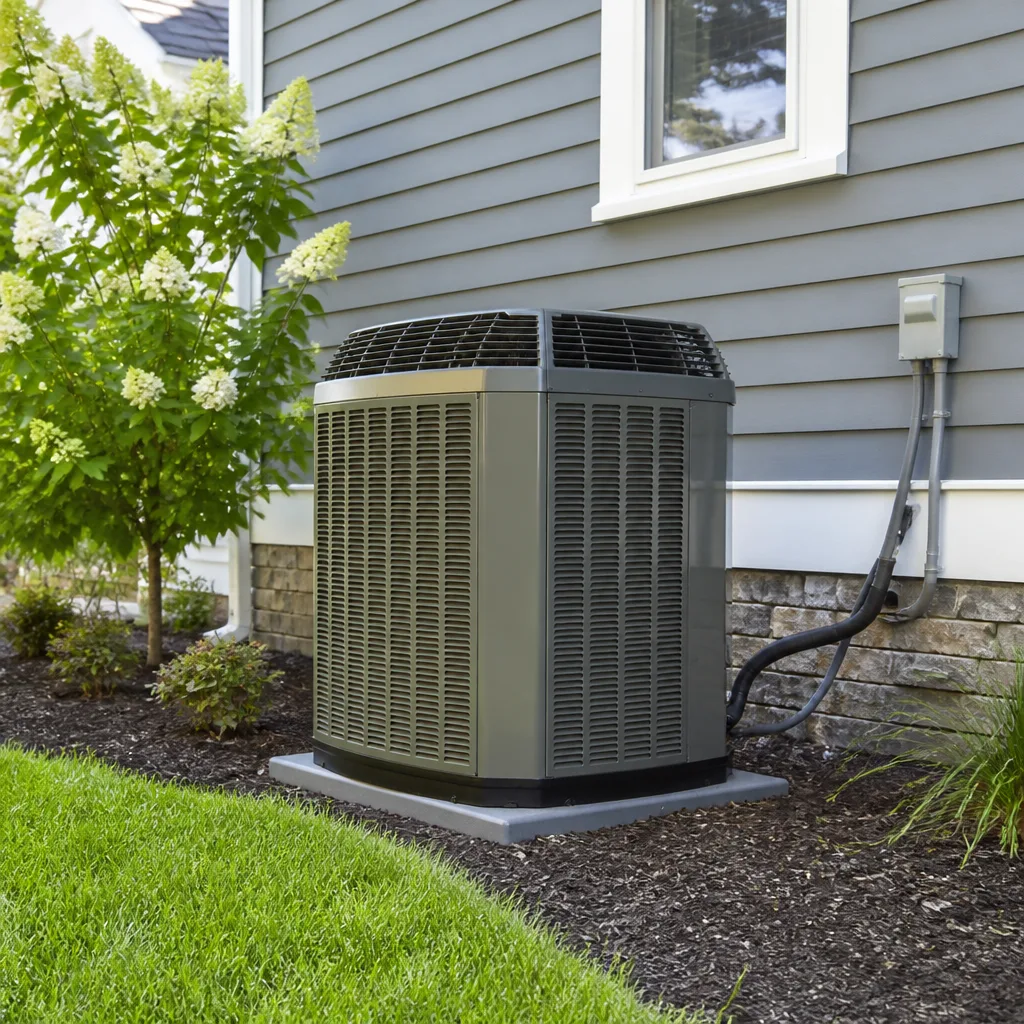 Trane
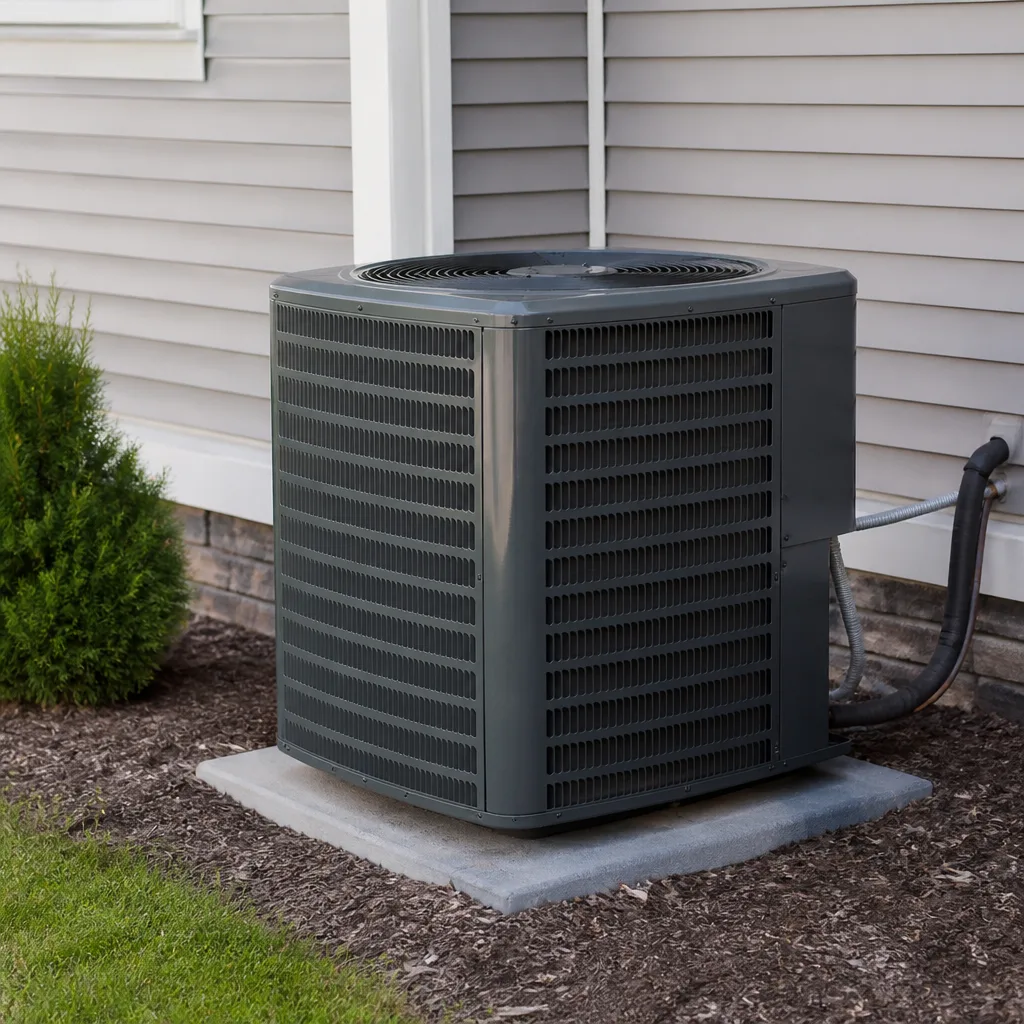 Goodman
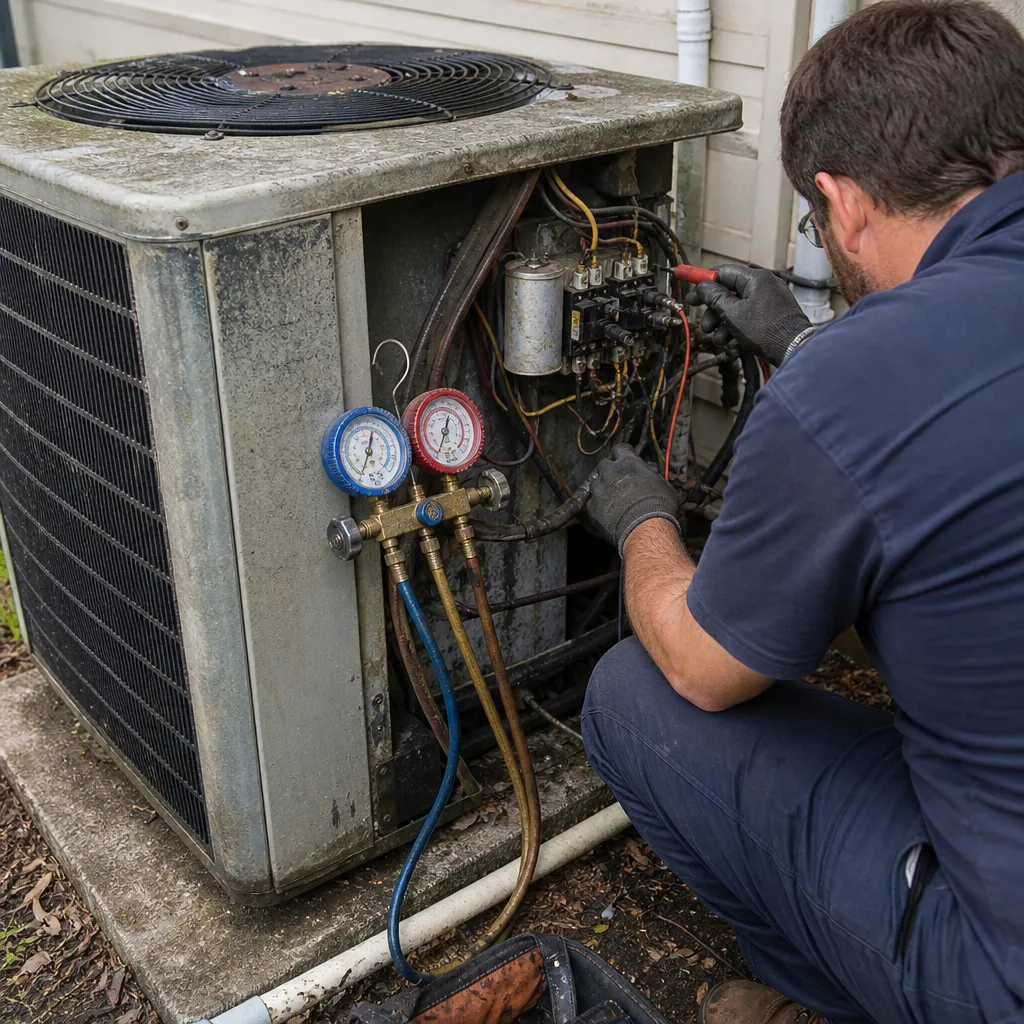
Seasonal tune-up and full diagnostic on your Carrier, Trane, or Goodman system - readings shown to you before any repair is proposed
Diagnosis first, numbers second - you approve the repair price before a single part goes in.
Get your free estimateHVAC Warning Signs: A Fort Myers Homeowner’s Reference Guide
Most HVAC advice online was written for a house that gets a real winter. It assumes your system rests for months, then works hard for a season. A Fort Myers system doesn’t live that way. It runs through humid weeks, through mild stretches, and through long afternoons that push it hard, and it never really gets a break. That changes what “normal” looks like, and it changes which signals actually matter. A behavior that would scream trouble in a colder climate can be routine here, and a quiet symptom that looks harmless can be the one that leads to a failure. This guide is built around the signals a Fort Myers system sends before it quits: what each one means, how to tell apart the ones that look identical, and which ones you should call about now versus watch for a season. Our technicians have up to 9 years of experience reading exactly these clues in this climate.
Quick Answer
The core HVAC warning signs in Fort Myers are rising indoor humidity, long or short cycling that’s new for your system, air that blows but doesn’t cool, water or white mineral crust around the condensate drain, hard-start noises from the outdoor unit, and an unexplained jump in your summer electric bill. A single sign usually means one fixable problem. Two or three together often point to a system losing capacity and worth a professional diagnosis. Catching them early generally means a smaller repair, not a replacement.
Styles & brands we work with
- AC repair
- Furnace & heating
- Heat pumps
- Ductless mini splits
- Carrier
- Trane
- Goodman
Table of Contents
- Why indoor humidity is the first warning sign
- Short cycling vs. long cycling in a hot climate
- Blowing but not cooling: refrigerant loss or a dirty coil?
- White crust around the drain line: the mineral deposit warning
- The sound profile of a compressor nearing the end
- Why your June electric bill is your best early-warning sensor
- Common mistakes to avoid
- When to call a professional
Why indoor humidity is the first warning sign
Humidity is the warning signal Fort Myers homeowners notice last and should notice first. Your air conditioner has two jobs packed into one machine: it removes heat, and it removes moisture. In this climate, the second job is roughly as important as the first, and it’s the one that degrades first when something’s off. A system that’s still dropping the temperature on the thermostat but leaving the house clammy is telling you the cooling coil isn’t spending enough time absorbing moisture, or isn’t getting enough air across it. That distinction matters.
Here’s a rough map of what indoor relative humidity is telling you:
- Under 55 percent: your system is doing its dehumidifying job. Comfortable, and the target on a well-running unit here.
- 55 to 60 percent, persistently: the system is keeping up, but barely. Often the first sign of a partly clogged filter, a coil that needs cleaning, or a duct leak pulling in humid attic air.
- Above 60 percent for days: the dehumidification function is failing. Common causes are low refrigerant charge (a coil that’s too cold on part of its surface can’t remove moisture evenly), restricted airflow, or a system that’s cycling too fast to complete a proper dehumidification cycle.
- Sticky floors, foggy windows, a damp smell in closets: the symptom has crossed into “call someone” territory. Persistent indoor humidity above the mid-60s promotes mold growth on drywall, wood and textiles, and it makes the house feel worse at the same thermostat setting.
The counterintuitive part: a house that’s cool but humid is often not a thermostat problem, and turning the temperature down further can make it worse. Oversized systems are a genuine issue in Fort Myers, where newer construction and aggressive change-outs sometimes put in more cooling capacity than a home needs. Too much capacity means the system hits the setpoint fast, shuts off, and never stays on long enough to wring the moisture out of the air. That’s a design and sizing conversation, not a refrigerant top-off. If your humidity problem showed up after a new installation, the question to ask is whether the equipment was properly matched to the home.
Before you call, do the simple things: change the filter, make sure no supply vents are blocked, and check that the return grille isn’t covered by furniture. If the humidity stays high after a clean filter and an unrestricted return, that tells a technician where to look next. It’s also worth knowing that a properly sized system in Fort Myers is doing more dehumidifying work than a system of the same tonnage anywhere north of here, so a borderline unit runs closer to its limit for more of the year.
Short cycling vs. long cycling in a hot climate
A system that cycles on and off every 8 minutes in Minnesota might be short cycling. The same behavior in Fort Myers on a 94-degree August afternoon could mean four different things, and each has a different fix. That’s the trap. On the hottest days, a long run time is not a fault; it’s the system working to keep up with the heat load. A short run time on a mild day is the actual symptom to watch, because it’s the clearest sign the system isn’t delivering a proper cycle.
Here’s how to tell whether what you’re seeing is normal.
- Time a cycle on a mild day. Check how long the outdoor unit runs from startup to shutdown when it’s not brutally hot outside. On a typical mild afternoon, a healthy Fort Myers system should cool the house and settle into reasonably spaced on/off cycles, not flip on and off every few minutes.
- Watch the thermostat reading during a cycle. A unit that kicks on, runs 4 minutes, and reaches the setpoint is cooling a lot of house very quickly. If the indoor temperature is swinging up and down rather than holding steady, the cycles are too short to remove moisture, and you’ll feel it in the humidity.
- Listen for the “short-start” pattern. The compressor starts, hums for a few seconds, and quits, then tries again a short time later. That pattern often points to a failing capacitor, low refrigerant, or a control or safety switch doing its job. It’s not something to ignore.
- Note the time of day. Short cycling that only happens during the hottest part of the afternoon can indicate a system that’s slightly undersized for the load. Short cycling that happens all day points to an equipment fault instead.
Long cycling is usually less alarming but not always harmless. A system that runs continuously from early afternoon until well after sunset during a heat wave is doing its job. A system that runs continuously on a mild day, never quite reaching setpoint, is a system losing capacity: low refrigerant, a dirty evaporator coil, or a failing compressor are the usual suspects, and it will get worse as the summer goes on.
If your system is cycling in a pattern that doesn’t match the weather, that’s the moment to get eyes on it. Our technicians can diagnose the cause and talk through whether it’s a fix or a sign the equipment is near the end of its service life. There’s no single answer that fits every home; what matters is reading the pattern correctly the first time. That’s the difference between a maintenance visit and an emergency.
Blowing but not cooling: refrigerant loss or a dirty coil?
“Blowing but not cooling” is the most common HVAC call we hear about, and it’s genuinely a diagnostic fork: a system moving air that’s only slightly cool almost always has one of two problems that look identical from the thermostat but have different fixes. One is low refrigerant from a leak. The other is a dirty or restricted evaporator coil. Getting the diagnosis right the first time saves you a refrigerant top-off that treats the symptom, or an unnecessary coil cleaning that misses the real leak.
What you’ll notice with both: the air from the vents feels room temperature or just room-temperature-lukewarm, the house climbs toward the outside temp during the day, and the outdoor unit keeps running.
| What you observe | Points toward refrigerant loss | Points toward a dirty coil |
|---|---|---|
| Air from vents | Slightly cool, feels short of capacity | Mildly cool at first, then fades |
| Indoor humidity | Rising above 60 percent, clammy | Rising, often with a musty smell |
| Airflow at vents | Normal or strong | Weak, especially at far rooms |
| Outdoor unit | Runs, but coil may frost or sweat oddly | Runs, but may feel too hot |
| Air filter | Often clean | Clogged, or was offline for a season |
| History | Same symptom before, needs a top-off | Filter changes skipped, ductwork dusty |
The tell in Fort Myers is often the humidity curve. A refrigerant-starved coil only gets cold on part of its surface, so it can’t remove moisture evenly, and the house feels sticky even while air moves. A dirty coil blocks airflow, so the house feels stuffy and warm and the filter is usually loaded. Both faults also push the system toward long run times and higher bills, which is why homeowners often notice the electricity change before the cooling change.
Physically checking refrigerant charge is not a homeowner task. Refrigerant lines hold pressure and the equipment requires gauges and training; handling refrigerant improperly is dangerous and, in most places, regulated. What you can do is replace the filter, confirm you have unrestricted return air, and note whether the outdoor unit’s large copper line feels cold and wet versus merely cool. If the system is low on charge, a competent technician finds and repairs the leak before recharging, because repeatedly topping off gas with no repair is a cycle that wastes money. If it’s a dirty coil, cleaning restores airflow and the system usually recovers fast. That’s also where our AC installation and repair capability matters: a diagnostic-first approach tells you which of the two you have before any parts are swapped.
White crust around the drain line: the mineral deposit warning
This is the HVAC warning sign most Fort Myers homeowners overlook. Look for a white, chalky crust or fuzz around the base of the condensate drain line where it exits the air handler or the indoor unit. That crust is mineral scale, and it’s telling you the drain line is starting to block. As water carries dissolved minerals through the drain, some of it deposits on the inside of the pipe where the water slows down. Over time the scale builds and narrows the passage. Then, one day in the middle of a humid stretch, the drain can’t keep up, the pan fills, and water overflows. When it overflows next to drywall, a ceiling or flooring, that’s a costly repair that could have been avoided by noticing the crust earlier.
What to check, without disassembling anything:
- Look at the base of the drain line. White deposits, chalky rings, or a crust right where the pipe connects are the classic early sign.
- Look at the drain pan. Standing water or slime in the pan, even a thin layer, means the drain is not clearing.
- Listen and smell. A gurgling sound at the indoor unit or a sour smell from the drain area is the drain working poorly, not just a cosmetic issue.
- Check the safety switch. Many systems have a float switch that shuts the unit off if the pan fills. If your system has shut itself off in humid weather and won’t restart, the float may have tripped, and the underlying cause is a drain problem.
If you see mineral crust, don’t wait for the overflow. The fix at the early stage is usually a straightforward drain-line clearing and flush, and it’s far cheaper than water damage. Some homes with recurring deposits benefit from a condensate drain maintenance routine, which a technician can set up. Our technicians check the drain and the float switch as part of a normal service call. If you’re seeing water in the pan or on the floor already, shut the system off at the thermostat, soak up what you can and call.
The sound profile of a compressor nearing the end
The compressor is the heart of the outdoor unit, and in Fort Myers it works harder and longer than almost any other part of the system. As it ages in a hot climate, its sound gradually changes. Whether that’s a warning or a normal noise depends on which sound and which context, so here’s how to read the sound profile.
- Normal operation: a steady, low hum from the outdoor unit, with a fan whoosh behind it. It should sound roughly the same day to day.
- Hard-start clicks: a clicking noise from the contactor or a relay before the compressor catches. Occasional clicks during a normal startup are fine; repeated clicking that ends in a failed start is a warning. A hard-start kit can help an older compressor start reliably, but it’s a fix for a weak starting circuit, not a cure for a compressor that’s mechanically failing. It can buy time; it can’t fix a worn-out compressor.
- Grinding or growling: internal wear or bearing noise. This is not a noise to tolerate. It usually means the compressor is nearing end of life.
- Rattling or buzzing, especially in high heat: often an electrical relay or a loose component. Worth checking before assuming it’s the compressor.
- No sound at all when the thermostat calls for cooling: the unit tried to start and didn’t. Check for a tripped breaker or a float switch before assuming the compressor is dead, then call.
What a hard-start kit can do: help a compressor with a weak starting winding or a borderline supply of voltage start reliably in hot weather. What it can’t do: restore lost compression or stop internal mechanical wear. Those are the sounds that mean the compressor itself is failing. A compressor change is a significant repair on an older system, and it’s worth comparing that repair against the cost of a newer, more efficient unit. Our technicians have up to 9 years of experience listening to exactly these sounds in exactly this climate, and they can tell you honestly whether a repair is worth it or whether the money is better spent on a newer unit. We repair before we recommend replacement, but we won’t recommend a repair that won’t last.
Why your June electric bill is your best early-warning sensor
If you want one number to watch, watch your June electric bill. In Fort Myers, a sudden spike in summer usage on the same house, same routines, same habits is a more reliable early warning than waiting for the system to stop working. A struggling system often runs longer to reach the same setpoint, and a longer run is more electricity. By the time it actually quits, the bill has usually been telling you the story for weeks.
How to read it:
- Compare the same month year over year. If your usage climbed noticeably from last June and your routine hasn’t changed, the extra electricity went somewhere. A failing blower, low refrigerant, a dirty coil or a short cycling issue will all do this.
- Compare month over month into summer. A bill that keeps climbing as the season progresses, more than the weather seems to justify, is often a system losing capacity.
- Look at the unit’s run time. Days when the system never shuts off are the clearest sign of strain. If the same house used to settle into cycles and now runs continuously, that’s the change.
- Treat a spike as a prompt to check the basics. Filter, return air, thermostat schedule. If those are fine and the bill still jumped, it’s time for a professional diagnostic.
One number we won’t give you is a dollar figure for what the spike should be; it depends on your home, your system and your rate. What we can tell you is that the pattern matters more than the amount, and that catching it early typically means a smaller repair instead of a compressor or a full system. If you want a technician to look at your system because your bill has been telling you something, that’s a good reason to call.
See the difference
 Before
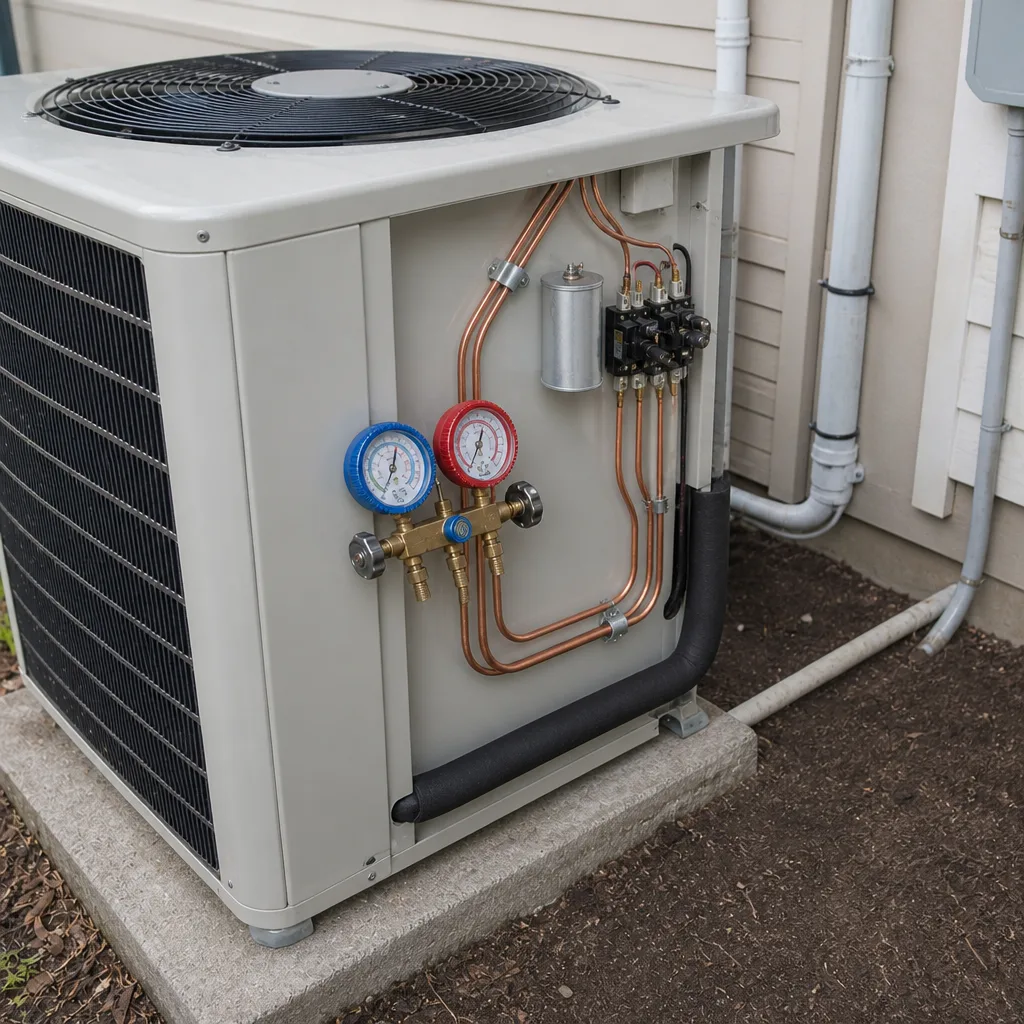 After
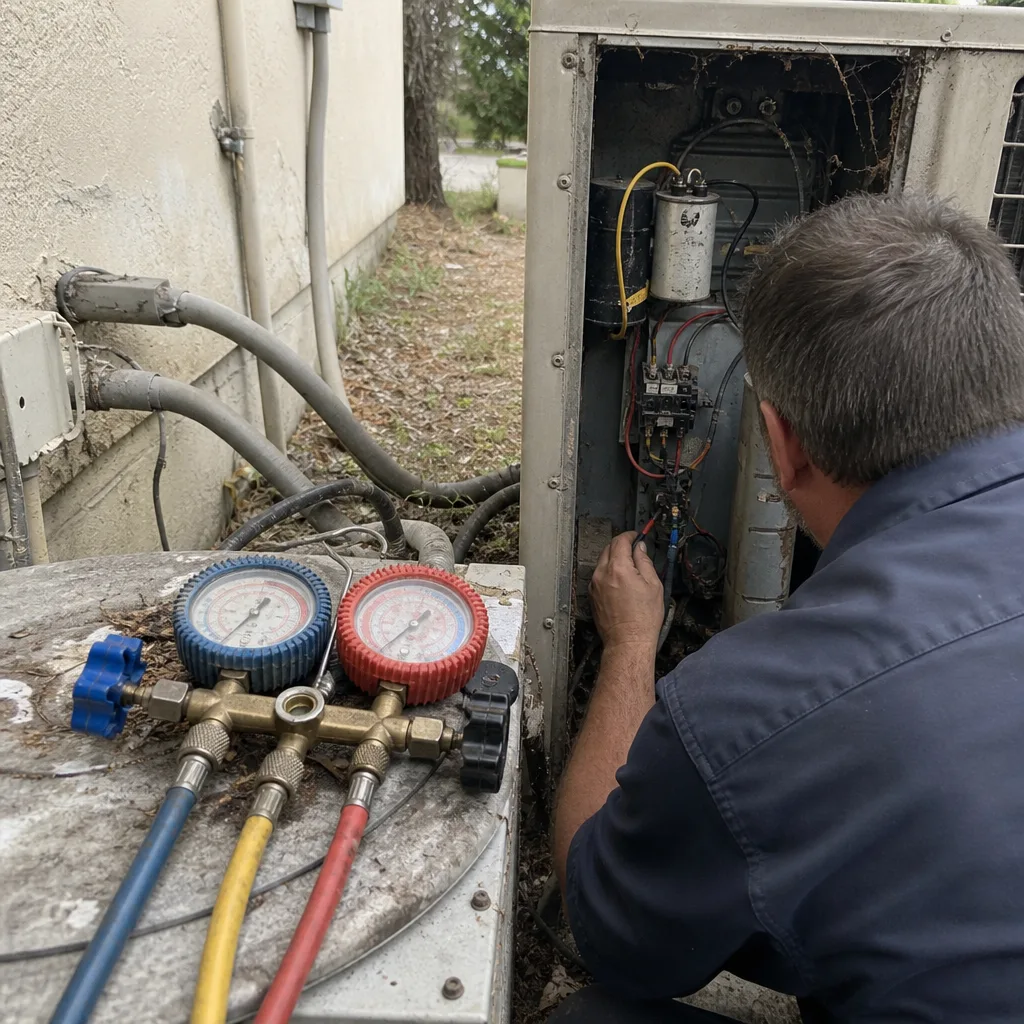 Before
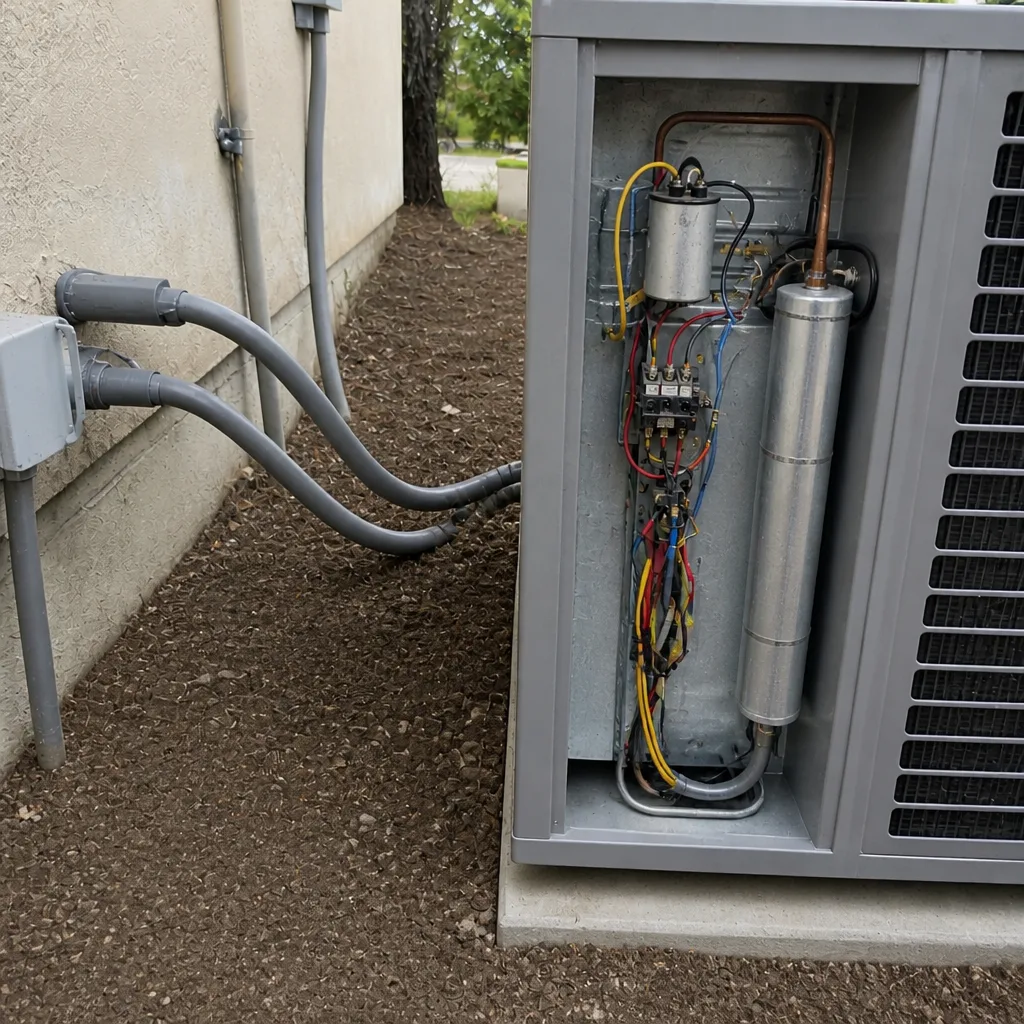 After
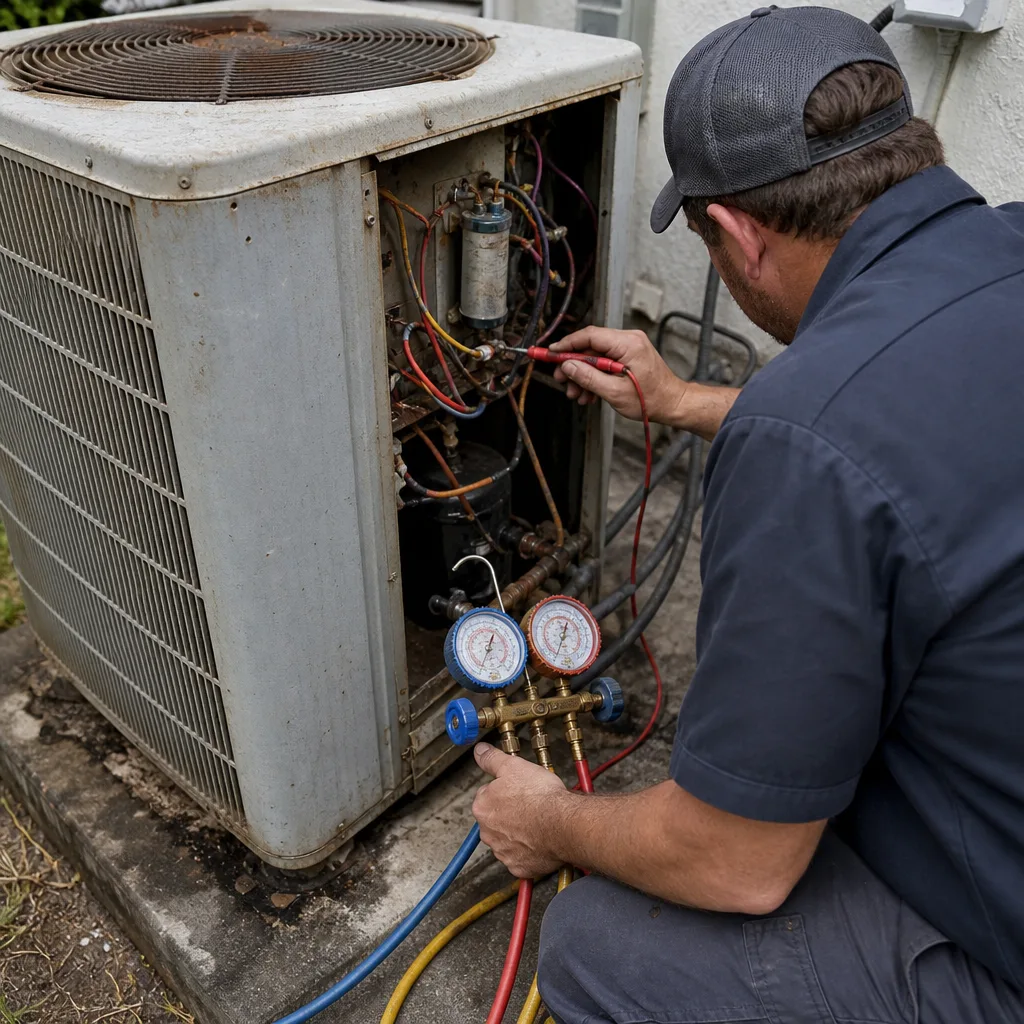 Before
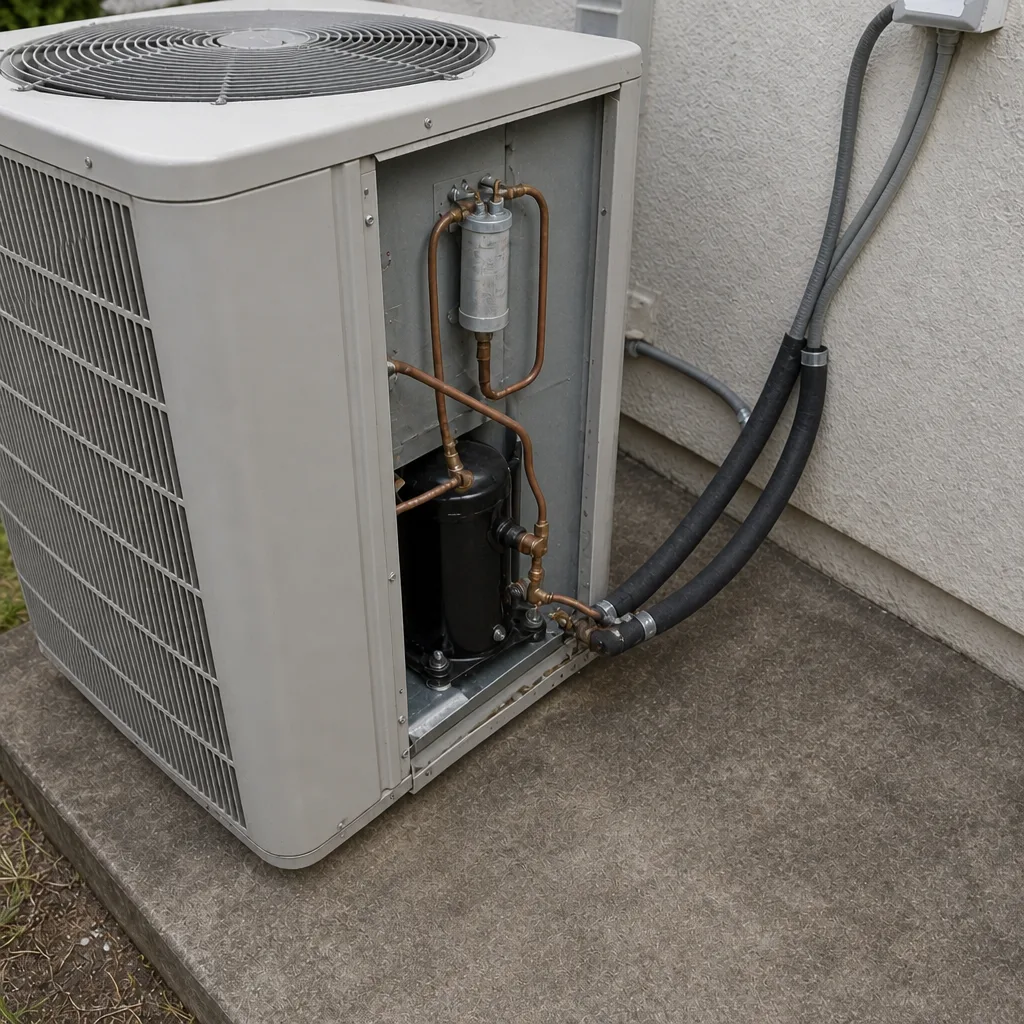 After
How to tell whether the problem is a repair or a replacement
Some HVAC warning signs point to a fix. Others point to equipment that’s near the end of its service life. There’s no single threshold that applies to every home, but a few signals matter more than the rest.
Signs you’re likely looking at a repair:
- One symptom, not several, and it appeared suddenly.
- The system is otherwise keeping up with cooling and humidity.
- The compressor isn’t throwing grinding or repeated hard-start sounds.
- The issue is a filter, coil, capacitor, drain or refrigerant leak with a findable source.
Signs a replacement deserves serious consideration:
- The compressor is making end-of-life sounds, or it needs a compressor replacement on older equipment.
- You’re seeing multiple warning signs at once: rising humidity, long run times, higher bills, and a system that blows cool but not cold.
- The refrigerant is low repeatedly, with leaks that keep returning.
- The system is undersized or oversized for the home and the humidity problem is structural.
When replacement looks likely, the right system depends on your home’s actual load and your budget, not on what a contractor happens to sell. That’s where a brand-agnostic approach matters. Blackwell Air Conditioning is certified to install and service nine major HVAC brands, including Trane, Lennox, Goodman and Rheem, and we recommend based on the home’s load requirements, not on a vendor contract. If you do end up replacing, we’ll give you a written fixed price and a set install date. If you’re wondering whether your system is a repair or a replacement candidate, furnace repair capability tells you a lot about how well a technician understands system internals on the heating side too; that diagnostic depth is what we bring to the cooling side as well.
Common Mistakes to Avoid
- Judging run time by a colder climate’s rules. A long run on a 94-degree Fort Myers afternoon is normal. A short run on a mild day is the warning. Applying northern-climate expectations leads homeowners to ignore the wrong things and worry about the wrong ones.
- Topping off refrigerant without finding the leak. Recharging a leaking system treats the symptom and hides the cause. A competent diagnostic finds the leak first, or you’ll be recharging the same system again next summer.
- Turning the thermostat down to fight humidity. If the problem is short cycling or an oversized system, colder setpoints can make dehumidification worse and drive up bills. Fix the cause, not the thermostat.
- Ignoring the white crust on the condensate drain. A mineral deposit around the drain line is a future overflow. Waiting for the overflow means dealing with water damage, drywall and floor repairs instead of a drain clearing.
- Skipping the filter and blaming the system. A clogged filter mimics a dirty coil, causes short cycling and raises bills. Check the filter first when you notice any of the cooling symptoms above.
- Waiting for the system to stop entirely before calling. The expensive failures, like a compressor, usually announce themselves for weeks. Catching the warning signs early is the difference between a small repair and a large one.
- Letting one contractor decide for you. A recommendation driven by a single brand’s deal isn’t the same as one driven by your home’s needs. Ask about the load calculation, the options, and why a given piece of equipment was chosen.
When to Call a Professional
Call a professional if the indoor humidity stays above 60 percent after a clean filter and an unrestricted return, if the system is short cycling on a mild day, if air blows but isn’t cold, if you see white crust, water or slime around the condensate drain, if the outdoor unit clicks and fails to start, or if the compressor is making grinding or growling sounds. Also call if your June bill has jumped noticeably on the same routine. Any of these can be a small repair if caught early; the ones that matter most are the ones you don’t wait on. Blackwell Air Conditioning offers free estimates in Fort Myers. Call (833) 946-8616. We answer 24/7. Fast dispatch from 7am to 7pm, Sunday through Friday. If a call comes outside dispatch hours, it’s booked into the next opening, Sunday through Friday, 7am to 7pm.
Frequently Asked Questions
Rising indoor humidity is the most common early warning sign of HVAC trouble in Fort Myers. It usually appears before the system loses cooling entirely, because dehumidification is the first function to degrade when airflow, charge or cycling is off. If your house feels sticky while the thermostat still reads its setpoint, get the humidity checked. Call (833) 946-8616 for an exact quote – estimates are free.
Blowing but not cooling is usually caused by low refrigerant from a leak or a dirty evaporator coil, and the two look similar from the thermostat. The tell is often the humidity curve and the airflow: a refrigerant issue leaves the house clammy while air moves strongly, while a dirty coil tends to weaken airflow and load up the filter. A technician can tell them apart. Call (833) 946-8616 for an exact quote – estimates are free.
White crust around the condensate drain line means mineral scale is building up inside the drain and could soon block it. Left alone, the drain can overflow into drywall, ceilings or floors. Caught early, it’s a straightforward clearing. Call (833) 946-8616 for an exact quote – estimates are free.
A long run time in August is normal in Fort Myers, and you shouldn’t treat it as a fault by itself. High heat load means the system works longer. What’s not normal is a system that runs continuously on a mild day and never reaches setpoint, or a system that runs continuously when it used to settle into cycles. That pattern is a sign of lost capacity. Call (833) 946-8616 for an exact quote – estimates are free.
A hard-start kit can help a compressor with a weak starting circuit start reliably, but it can’t fix mechanical wear or restore lost compression. If the compressor is grinding, rattling loudly or failing to start repeatedly, the sound profile matters more than the kit. A technician can tell you whether a hard-start kit will help or whether the compressor is near end of life. Call (833) 946-8616 for an exact quote – estimates are free.
Repair or replace depends on how many warning signs you have and how the system behaves. A single issue like a dirty coil or a drain problem is usually a repair. Multiple signs together, like rising humidity, long run times, higher bills and a compressor nearing end of life, often mean replacement deserves a serious look. We repair before we recommend replacement, and we’ll tell you honestly which one fits. Call (833) 946-8616 for an exact quote – estimates are free.
The Bottom Line
Fort Myers HVAC warning signs are subtle because a system that runs nearly continuously here never gets an obvious break to show you it’s failing. Watch the humidity first, then the cycle pattern, then the drain, then the compressor sounds, then the bill. Each one gives you a different kind of heads-up, and each one gives you time to fix a small problem before it turns into a compressor, a water-damage repair or a full replacement. If you’re seeing several signs together, or you’re just not sure what you’re seeing, that’s the point to get a technician’s eyes on it. Our technicians have up to 9 years of experience reading exactly these cues in this climate, and we’ll tell you plainly what’s going on. For a free estimate, call (833) 946-8616. We answer 24/7. Fast dispatch from 7am to 7pm, Sunday through Friday.
Written by the team at Blackwell Air Conditioning.
Learn more about Blackwell Air Conditioning and our Fort Myers service.