
Last updated November 16, 2026
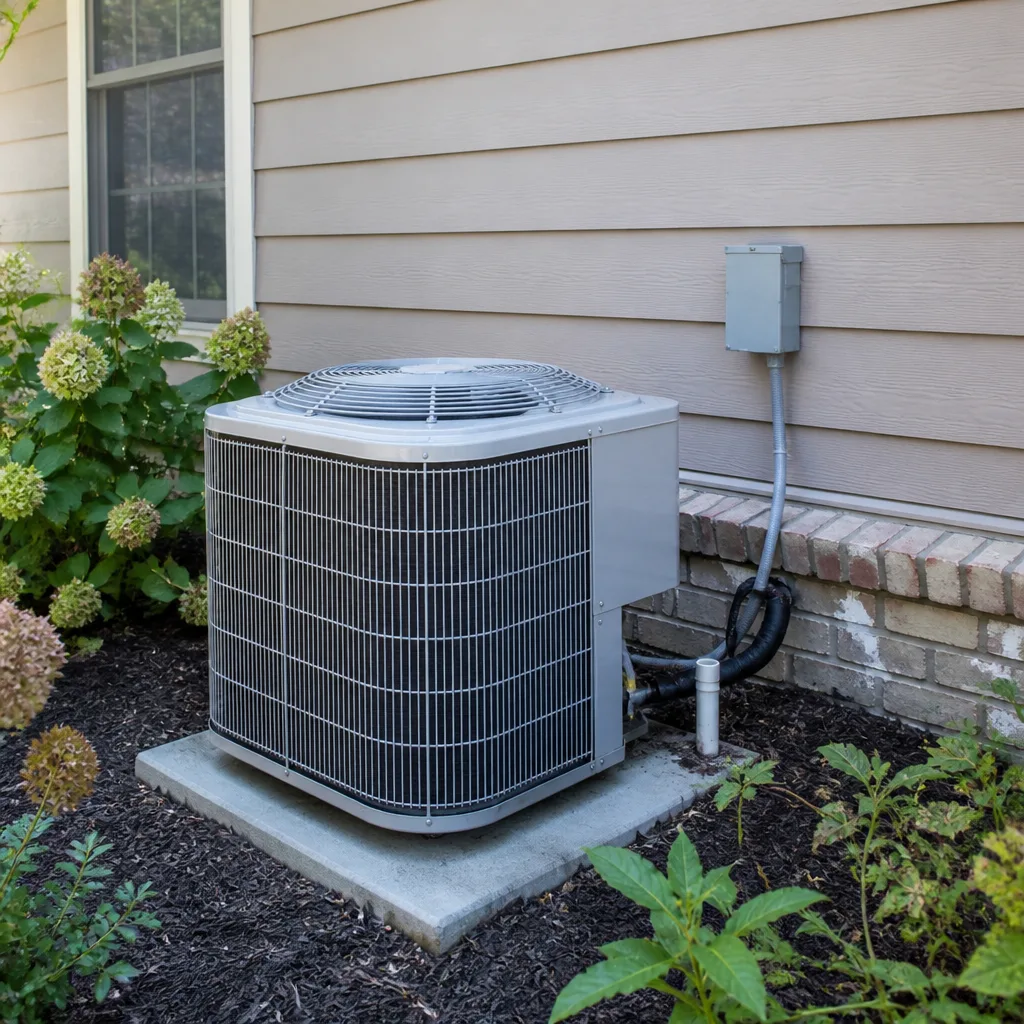 AC repair
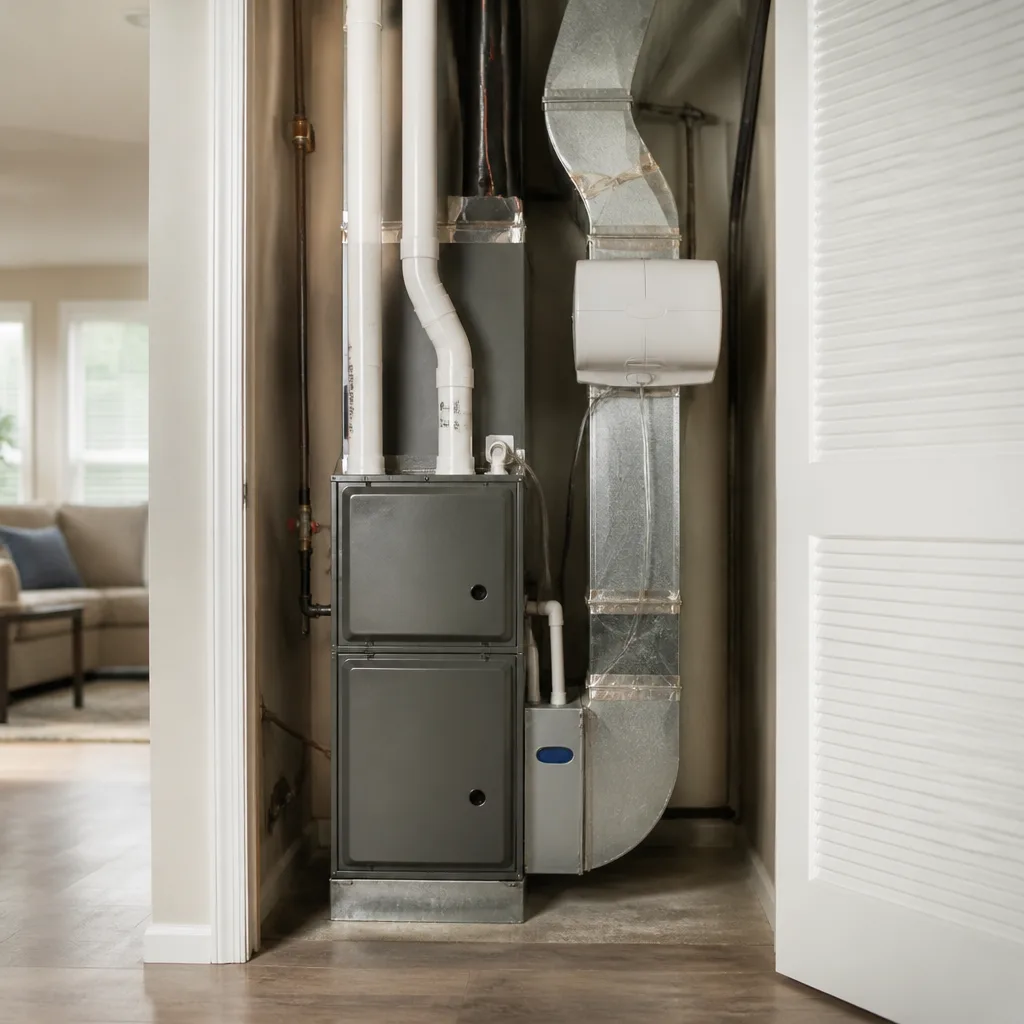 Furnace & heating
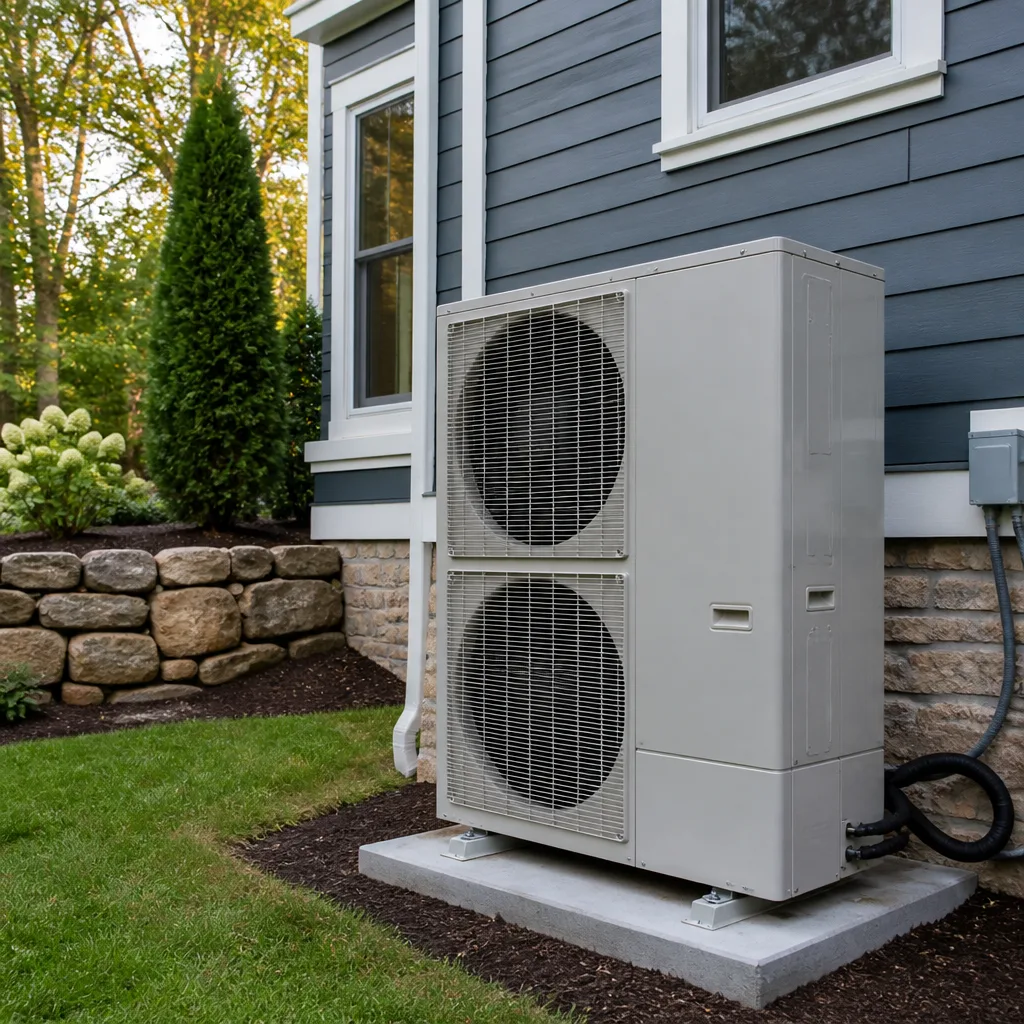 Heat pumps
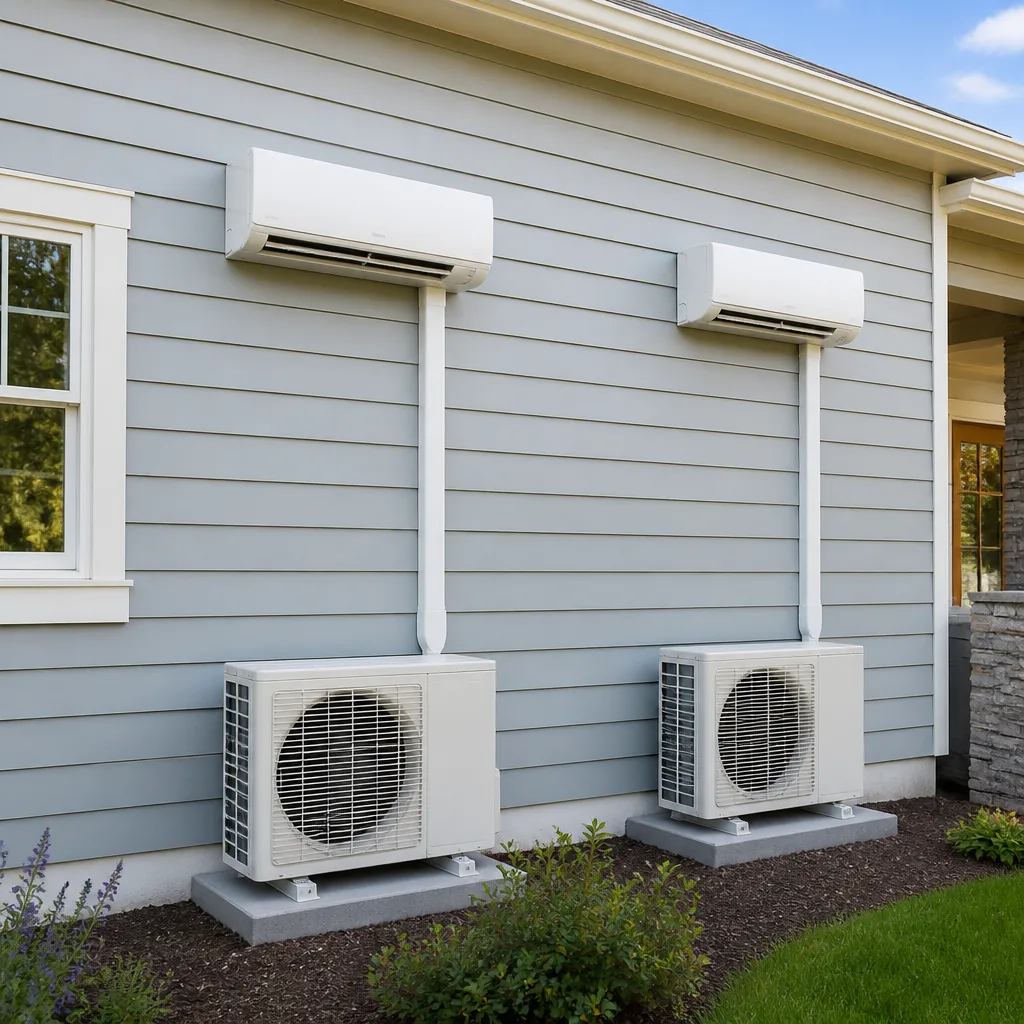 Ductless mini splits
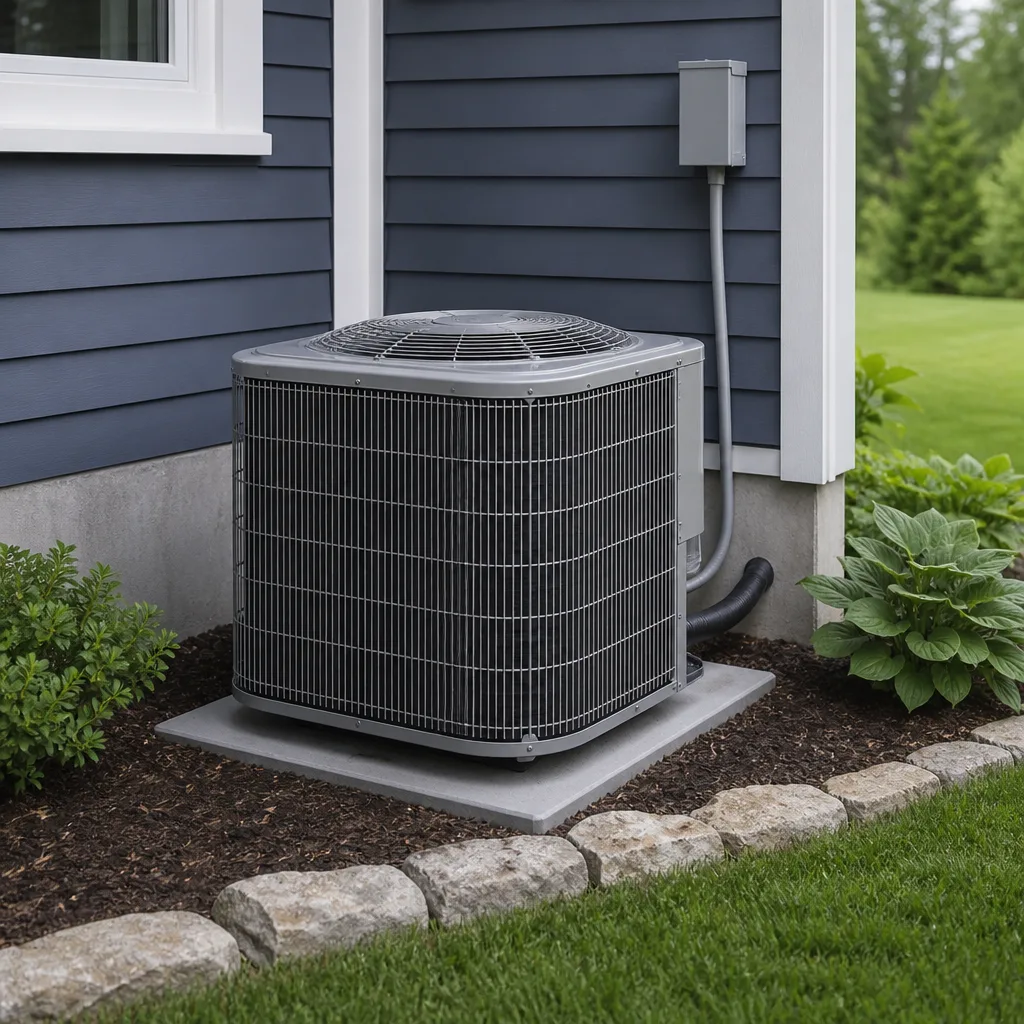 Carrier
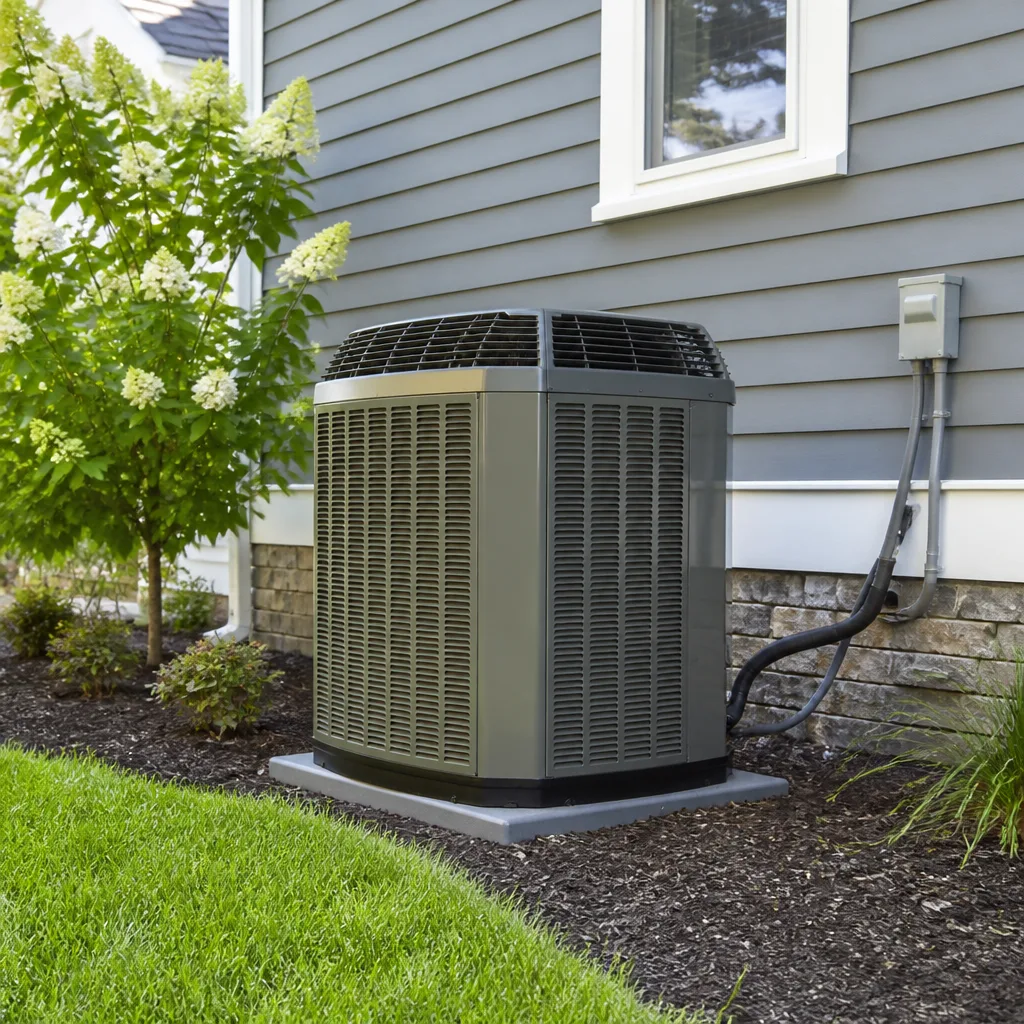 Trane
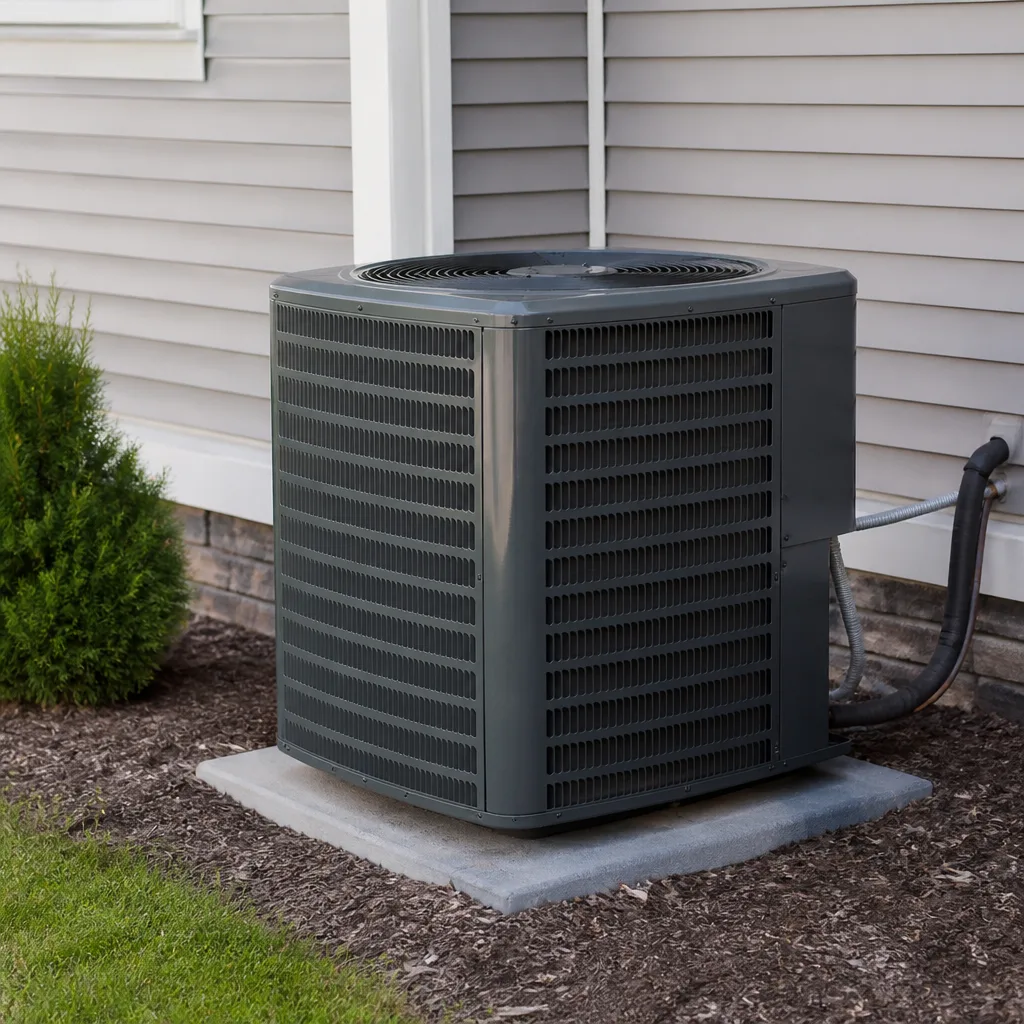 Goodman
Seasonal tune-up and full diagnostic on your Carrier, Trane, or Goodman system - readings shown to you before any repair is proposed
Diagnosis first, numbers second - you approve the repair price before a single part goes in.
Get your free estimateSeasonal HVAC Care for Fort Myers: Year-Round Homeowner’s Guide
Most HVAC advice you’ll find online was written for a place with four honest seasons. Fort Myers doesn’t have those. We have a long cooling season that pushes equipment hard for months, a rainy stretch that tests every drain and dehumidifier in the house, and a short mild window when the system barely runs at all. Treating our climate like a generic spring-and-fall schedule is how homeowners end up with a failed condenser in August or a moldy air handler in July. This guide lays out a care calendar built around how Fort Myers weather actually behaves, season by season, so your system is ready before the months that matter most.
Quick Answer
Seasonal HVAC care in Fort Myers works best on a three-part calendar rather than a traditional spring/fall routine: a pre-hurricane checklist in April and May, active drain-and-dehumidifier monitoring through the rainy season from June to September, and a dry-season service window from November to March when you test heat mode, change filters, and book non-urgent repairs. The goal is to do the maintenance work during the transition windows, before peak demand arrives, not in the middle of it.
Styles & brands we work with
- AC repair
- Furnace & heating
- Heat pumps
- Ductless mini splits
- Carrier
- Trane
- Goodman
Table of Contents
- Why Fort Myers HVAC Care Doesn’t Follow a Four-Season Schedule
- The April-May Pre-Hurricane Season Checklist
- Rainy Season Care: June Through September
- Post-Storm Inspection: What to Check After a Named Storm
- Dry Season Tasks: November Through March
- Why Fan-Only Mode Matters in the Mild Months
- Choosing Equipment That Fits a Fort Myers Home
- Common Mistakes to Avoid
- When to Call a Professional
- Frequently Asked Questions
Why Fort Myers HVAC Care Doesn’t Follow a Four-Season Schedule
An air conditioner in Fort Myers doesn’t get a break the way a system in a colder climate does. In most of the country, cooling season is a few months and the equipment sits idle for the rest. Here, the cooling side of your system is the workhorse almost year-round, and the heating side is a backup that may only run a handful of times each winter. That imbalance changes what maintenance actually matters.
Think of it as two intense seasons with brief transition windows between them. The rainy, hurricane-prone stretch from roughly June to September is when your drain line, dehumidification, and storm readiness get tested. The dry, mild stretch from November to March is when demand drops and the system is quiet enough to inspect properly, test the heat, and handle repairs that aren’t emergencies.
Those transition windows are the whole point. They’re short, and they’re the only time of year when you can schedule real maintenance work without competing against everyone whose system just failed in the heat. Homeowners across Fort Myers, from the older neighborhoods near the river to newer construction out toward Gateway, all face the same reality: if you wait until the first hot week to think about your AC, you’re already behind.
- Cooling season dominates. The AC runs heavily for most of the year, so wear concentrates on the cooling side.
- Heating gets tested rarely. A furnace that isn’t exercised can fail the first cold night you actually need it.
- Moisture is the hidden variable. Humidity and heavy rain make drains and dehumidifiers as important as refrigerant charge.
- Storms reset the clock. A tropical system can undo months of good maintenance in a single afternoon.
The transition windows – late spring before the rains, and the dry winter months – are when the smart maintenance gets done. Everything below is organized around that idea.
The April-May Pre-Hurricane Season Checklist
The stretch from April into May is the single most valuable maintenance window in Fort Myers. Demand hasn’t peaked, storms haven’t arrived, and a technician can actually inspect the whole system calmly instead of triaging a breakdown. This is the time to verify three things that matter most once the rainy season hits: surge protection, the condensate drain, and refrigerant charge.
Surge protection. A storm-related power event can damage a compressor or control board, and those are among the more expensive parts to replace. Whole-home surge protection or a dedicated unit on the AC disconnect gives the system a layer of defense before storm season. Ask your electrician about the home side, and have your HVAC technician confirm the equipment-side protection status during the pre-season visit.
Condensate drain clearing. Your air handler pulls a surprising amount of water out of Fort Myers air. That water has to leave the house through a drain line, and if that line is partially clogged before the humid months begin, it will overflow when the system starts working hardest. Clearing the primary drain, checking the float switch, and confirming the secondary pan is a twenty-minute job that prevents a very expensive mess.
Refrigerant level verification. A system that’s low on refrigerant in May will run longer, struggle more, and wear harder all summer. A technician checks charge against the manufacturer’s spec, looks for signs of a slow leak, and confirms the system is operating within range before peak load.
- Confirm surge protection on the AC disconnect and discuss whole-home protection with your electrician.
- Clear the condensate drain and test the float switch and secondary pan.
- Verify refrigerant charge against spec and look for leak indicators.
- Replace the air filter so the system starts the heavy season breathing freely.
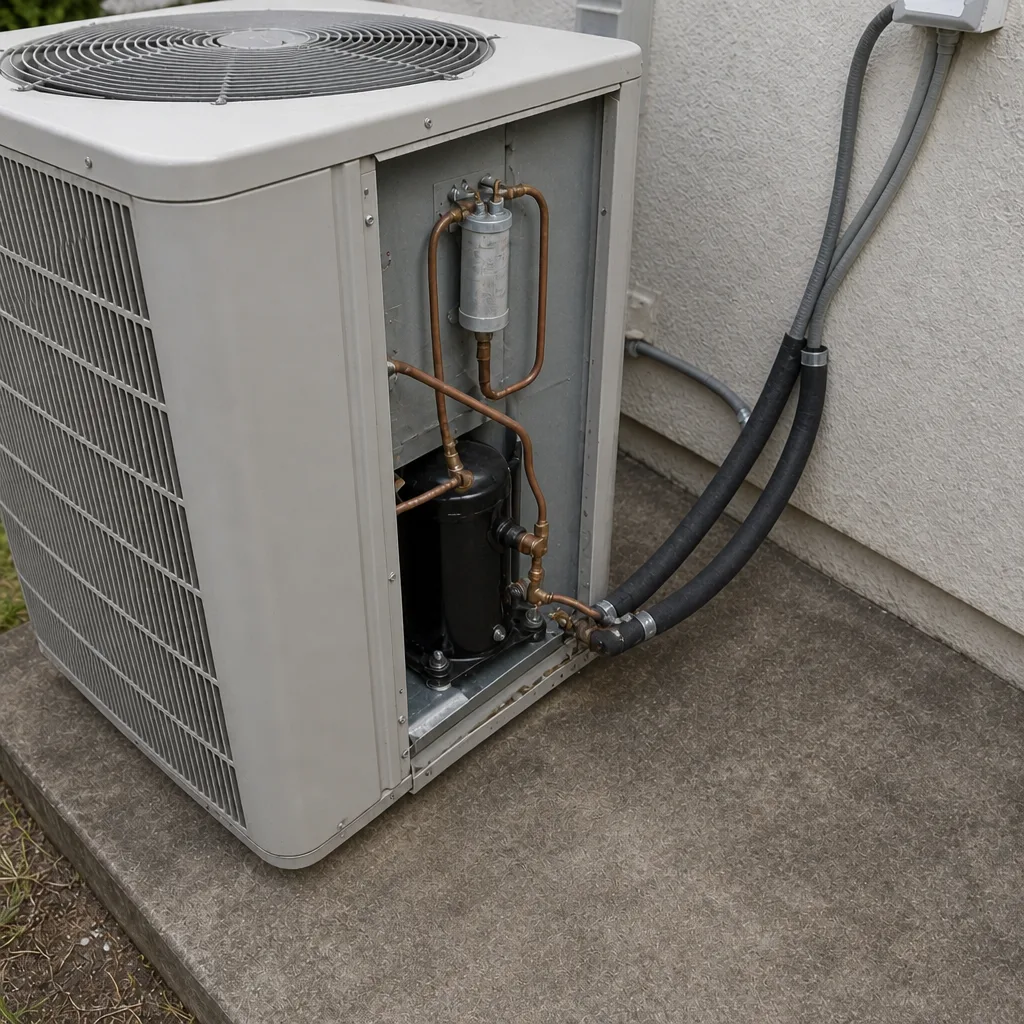
- Check the outdoor unit for debris, coil cleanliness, and clearance around the condenser.
- Test heat mode briefly while it’s still mild, so any heating repair gets found now rather than in a cold snap.
If any of this turns up a heating issue, that’s exactly the right moment to schedule furnace repair while the calendar is calm. It’s far easier to fix it in May than to discover it the first chilly morning of the dry season.
Rainy Season Care: June Through September
Once the rains arrive, your maintenance shifts from inspection to monitoring. The system is working hard, the air is saturated, and the tasks that matter are the ones a homeowner can keep an eye on weekly without touching anything technical. This is the stretch where small problems become big ones, and where a little attention prevents the failures that are most common in Fort Myers during the summer.
Weekly condensate drain monitoring. Walk past your air handler once a week and look for water where it shouldn’t be. A damp spot, a slow drip, or a musty smell near the unit can mean the drain is backing up. If you can see the drain line or the pan, check that it’s clear. Notice a problem early and you’re looking at a simple clearing job rather than water damage to a ceiling or closet floor.
Dehumidifier performance checks. If your system has a dedicated dehumidifier or a dehumidify setting, it’s doing more work in these months than at any other time. A home that feels clammy even with the AC running, or that has condensation on interior windows, is a sign the dehumidification side needs a look. Comfort in a Fort Myers summer is as much about moisture removal as temperature.
What standing water near the air handler means. If you find standing water around the unit, don’t run the system and hope it clears. It usually points to a clogged drain, a failed float switch, or a frozen coil from restricted airflow. Shut the system down, protect the area, and get a technician out. Water near the air handler is one of the few things we treat as genuinely urgent even in a normal summer week.
- Check the drain weekly for backups and musty smells.
- Watch indoor humidity – a clammy house signals dehumidification trouble.
- Keep the filter clean because heavy summer runtime loads filters faster.
- Clear debris around the condenser so it can shed the heat it’s pulling from your home.
- Listen for changes – short cycling, odd noises, or a system that runs without cooling.
This is also the season when airflow problems show up as comfort complaints. A room that’s always warm, a system that can’t keep up by late afternoon, or a unit that runs constantly all point to something a technician should look at rather than an equipment purchase. We repair before we recommend replacement, and much of what surfaces in the rainy season turns out to be a fixable airflow or charge issue.
Post-Storm Inspection: What to Check After a Named Storm
After a tropical storm or hurricane passes through Lee County, a short inspection of your HVAC system protects it from the slow damage that follows a storm. Power events, wind-driven water, and debris cause most of the problems, and they’re not always obvious right away. Do the simple checks first, then call a professional for anything you’re not sure about.
- Turn the system off at the thermostat. Don’t restart it until you’ve checked it visually.
- Inspect the outdoor unit. Look for debris, standing water, and any obvious physical damage to the condenser or the electrical disconnect.
- Check the air handler and drain. Look for water intrusion around the indoor unit, especially if there was roof or window damage nearby.
- Reset breakers if they tripped. If a breaker trips again after a reset, stop and call a technician – don’t keep resetting it.
- Restart and observe. Once dry and clear, run the system briefly and listen for anything unusual, then check that it’s cooling properly.
- Schedule a proper inspection if the storm was significant, even if everything seems fine.
Storm surge isn’t the only risk – power flickers and brownouts during and after a storm can stress compressors and control boards. If the outdoor unit took on water or the power behaved erratically, a professional inspection catches the subtle damage that doesn’t show up until the system fails weeks later. Safety matters here: the electrical connections at the disconnect and the control board are not a homeowner’s territory. Leave those to a trained professional.
Dry Season Tasks: November Through March
When the heat and humidity ease off, Fort Myers gets its quiet HVAC stretch, and this is the best time of year to handle the work that doesn’t need to be urgent. Demand on the cooling side drops, storms are gone, and technicians have room to inspect rather than respond. Use this window well and the rest of your year gets easier.
Test heat mode once. Your heating side may run only a handful of times all winter, and that’s exactly why it needs a test in early dry season. Turn the heat on for a short cycle in November or December to confirm it actually engages. A furnace that hasn’t run since the previous winter can fail on the first genuinely cold morning, and discovering that on a cold night is worse than finding it on a mild afternoon. If something’s off, schedule furnace repair now, while there’s time and no competition for appointments.
Change the filter before reduced-demand months. A fresh filter going into the mild season means the system starts quiet and clean when things pick back up. It’s a small, cheap task that helps airflow and efficiency.
Schedule non-urgent repairs. Any nagging issue you noticed during the summer – a room that never quite cooled, a rattle, a system that ran longer than it should – is easier and cheaper to address now. The dry season is when diagnosis is calm and the schedule has room. This is also the right time to plan ahead if you’re considering AC installation, since new equipment involves a load calculation, ordering, and a scheduled install date rather than a same-day swap.
- Test heat mode for a short cycle to confirm the furnace engages.
- Replace filters going into the low-demand months.
- Book any deferred repairs while the calendar is open.
- Plan replacements – new equipment is load-calculated and scheduled, not rushed.
Why Fan-Only Mode Matters in the Mild Months
Here’s a piece of Fort Myers care that most homeowners never hear: running your system in fan-only mode occasionally during the mild season helps keep dormant ducts from becoming a home for mold. When the AC barely runs in the dry months, air sits still in ductwork, and still air in a humid climate invites moisture and biological growth. A periodic fan-only cycle moves that air and helps keep the ducts dry.
The idea is simple. Fan-only mode circulates air through the system without cooling it. During the mild season, running the fan for a stretch periodically keeps air moving through the ducts and the indoor coil area, discouraging the damp, stagnant conditions that mold prefers. It’s not a substitute for proper humidity control or maintenance, but it’s a low-cost habit that fits Fort Myers living well, especially during stretches when the AC barely comes on at all.
If you notice a musty smell when you first turn the system back on after a quiet stretch, that’s a signal to have the ducts and coil inspected. Persistent odors, visible growth, or allergy complaints that get worse indoors are worth a professional look rather than guesswork. Request a free estimate when you’re ready to have it checked – the earlier, the simpler the fix.
Choosing Equipment That Fits a Fort Myers Home
Whether you’re planning a replacement or just weighing a mid-life repair, the brand question comes up. In our experience, there’s no single manufacturer that’s right for every Fort Myers home. The right system is the one that matches your home’s load requirements and your budget, not the one a contractor happens to be locked into. That’s why we service and install across nine major brands, including Daikin, Bryant, Carrier, and American Standard, rather than pushing one line.
A few practical notes on matching equipment to a Fort Myers home:
- Size comes from a load calculation, not a guess from square footage. An oversized system short-cycles, struggles to dehumidify, and wears faster – a real problem in a humid climate.
- Dehumidification capability matters as much as tonnage in homes that tend to feel clammy even when the temperature is right.
- Premium, mid-range, and value tiers all have their place. A value-tier unit properly sized and installed often serves a home better than a premium unit that’s mismatched to the load.
- One contractor for heating and cooling makes sense – the same company that services your cooling side can handle the heating side when it needs repair or replacement.
- The written estimate sets the price. Get the equipment, scope, and install date in writing before anything is ordered.
We handle both sides of home climate: AC installation on the cooling side and furnace repair or replacement on the heating side. That range means we can be called at any stage of a system’s life, whether it’s a brand-new install in a Fort Myers home or a mid-life repair on equipment that’s still got years in it. If it heats or cools, we work on it, and we recommend based on the house and the budget in front of us.
Common Mistakes to Avoid
- Booking a tune-up in June. Waiting until the first hot week to schedule maintenance means you’re competing with everyone whose system just failed. Move it to the April-May window instead, before peak demand.
- Ignoring the condensate drain until it backs up. In Fort Myers humidity, the drain works hard, and a clogged line can flood a closet or ceiling. Check it weekly during the rainy season rather than waiting for the water to show up.
- Never testing heat mode. A furnace that sits idle all year can fail the first cold morning. Run it briefly in early dry season so you find any problem with time to fix it.
- Letting ducts sit stagnant through the mild months. Still air in humid weather invites mold. Run fan-only mode periodically during the dry season to keep air moving.
- Restarting the system blindly after a storm. Turning it back on before checking for water, debris, and electrical damage can cause more harm than the storm did. Inspect first, then call a professional if anything looks off.
- Buying based on brand loyalty instead of load. Choosing a system because a contractor carries that line, rather than because it fits your home’s load and budget, is how mismatched equipment gets installed. Get a load calculation first.
- Treating every problem as a replacement. Plenty of rainy-season comfort complaints turn out to be airflow, charge, or drain issues that get fixed rather than replaced. Get a diagnosis before you buy.
When to Call a Professional
Some HVAC problems are safe to manage yourself – a filter change, a fan-only cycle, a visual drain check. Others call for a trained professional, and trying to handle them yourself can cost more or become dangerous. Call when you find standing water near the air handler, when a breaker keeps tripping, when the system runs but doesn’t cool, when you smell something musty from the vents, when the heat won’t engage, or when anything looks damaged after a storm. Electrical components, refrigerant, and gas or combustion systems are not homeowner territory – leave those to a professional every time. If you’re unsure whether a problem is small or serious, it’s worth a call to find out.
Blackwell Air Conditioning offers free estimates in Fort Myers – call (833) 946-8616. We answer 24/7. Fast dispatch from 7am to 7pm, Sunday through Friday.
Frequently Asked Questions
The best windows are late April through May, before hurricane season and peak cooling demand, and the dry months from November through March. Those transition periods are when a technician can inspect the full system calmly and when non-urgent repairs are easiest to schedule. Calling us in the middle of a hot week means competing with breakdowns – book ahead in a transition window instead. Call (833) 946-8616 for a free estimate and to get on the schedule.
Check it about once a week from June through September, and any time you notice a musty smell or damp spot near the air handler. Fort Myers humidity means the drain carries a lot of water, and a partial clog can overflow when the system runs hardest. A quick weekly look catches most backups before they cause damage. If you find standing water, shut the system down and call (833) 946-8616 – we answer 24/7, with fast dispatch from 7am to 7pm, Sunday through Friday.
Fan-only mode keeps air moving through otherwise dormant ductwork, which helps prevent the damp, stagnant conditions where mold likes to grow. When the AC barely runs in the dry months, that periodic air movement is a simple, low-cost habit. If you smell something musty when the system comes back on, have the ducts and coil inspected. Call (833) 946-8616 for a free estimate – estimates are free, and the written estimate sets the final price.
Turn the system off at the thermostat first, then check the outdoor unit for debris and damage, look for water around the indoor unit, and reset any tripped breakers once. Restart only when everything is dry and clear, and call a professional if anything looks off or if the storm was significant. Electrical components aren’t a homeowner’s territory. Call (833) 946-8616 – we answer 24/7, with fast dispatch from 7am to 7pm, Sunday through Friday.
Yes. A heating system that sits idle for most of the year can fail the first cold morning you need it, and testing it briefly in early dry season gives you time to fix any problem calmly. A short heat cycle in November or December is all it takes to confirm it engages. If the heat won’t come on, book furnace repair now rather than waiting for a cold night. Call (833) 946-8616 for a free estimate.
Repair first when the issue is fixable and the equipment has life left – much of what surfaces in the rainy season is airflow, charge, or drain work rather than a failed system. Choose a brand based on a load calculation and your budget, not a contractor’s loyalty to one line. We work across nine major brands, including Daikin, Bryant, Carrier, and American Standard, so the recommendation follows the home. Call (833) 946-8616 for a free estimate – the written estimate sets the final price.
The Bottom Line
Fort Myers HVAC care works best when it follows the local rhythm rather than a generic four-season schedule. Use the April-May window to check surge protection, clear the drain, and verify refrigerant before peak demand. Monitor drains and dehumidification weekly through the rainy season, run fan-only mode periodically in the mild months to keep ducts dry, and test heat plus schedule non-urgent repairs in the dry season. Handle the risky parts – refrigerant, electrical, and anything found after a storm – through a professional. Our technicians have up to 9 years of experience and work across nine major brands, from Carrier to Daikin. Heating and cooling, handled together. Call (833) 946-8616 for a free estimate. We answer 24/7. Fast dispatch from 7am to 7pm, Sunday through Friday.
Written by the team at Blackwell Air Conditioning.
See the difference
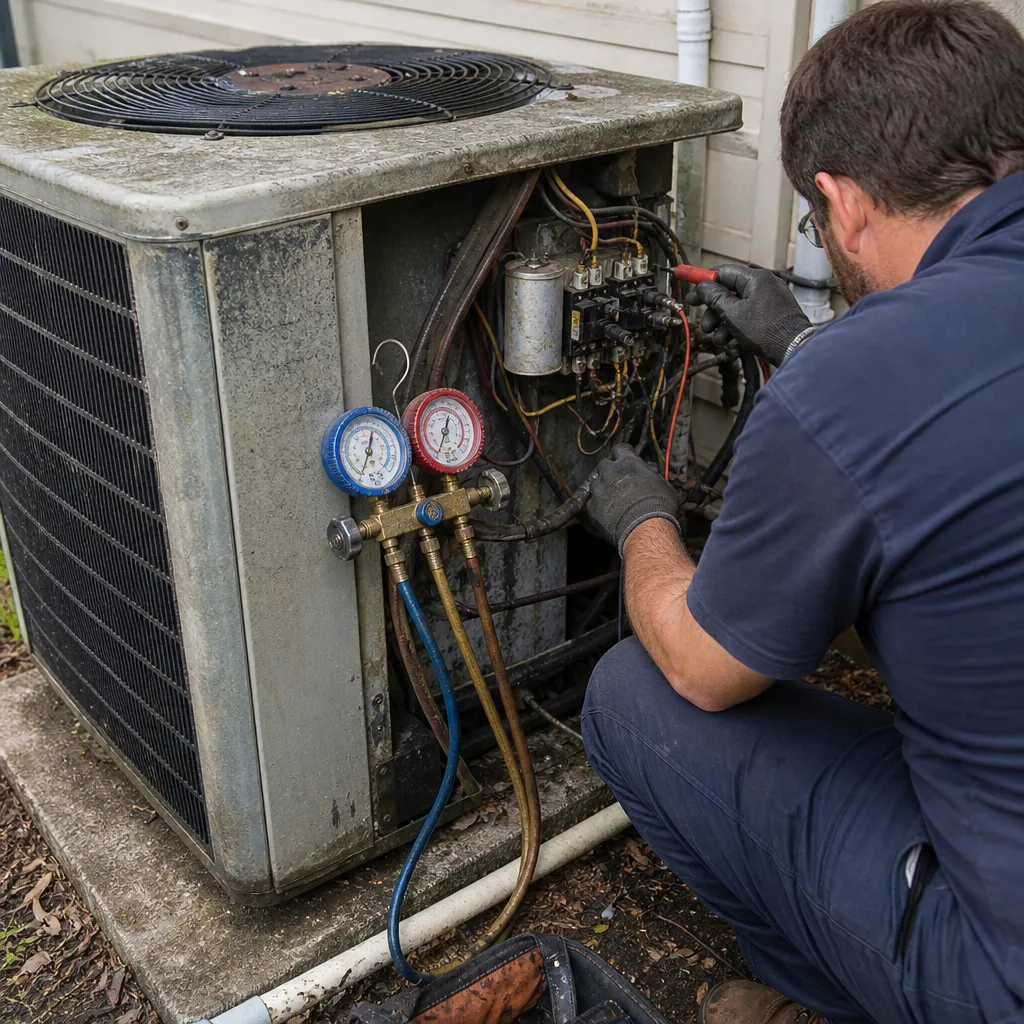 Before
 After
 Before
 After
 Before
 After