
Last updated November 16, 2026
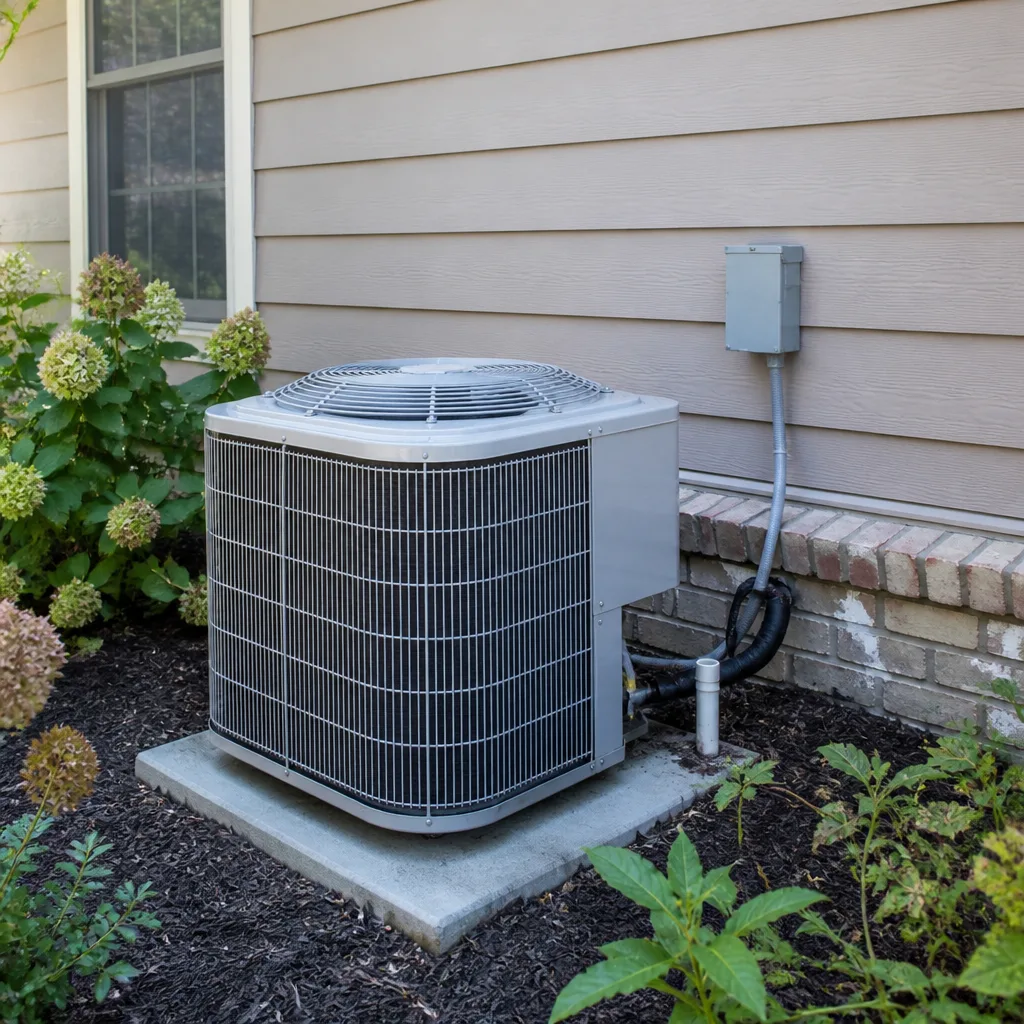 AC repair
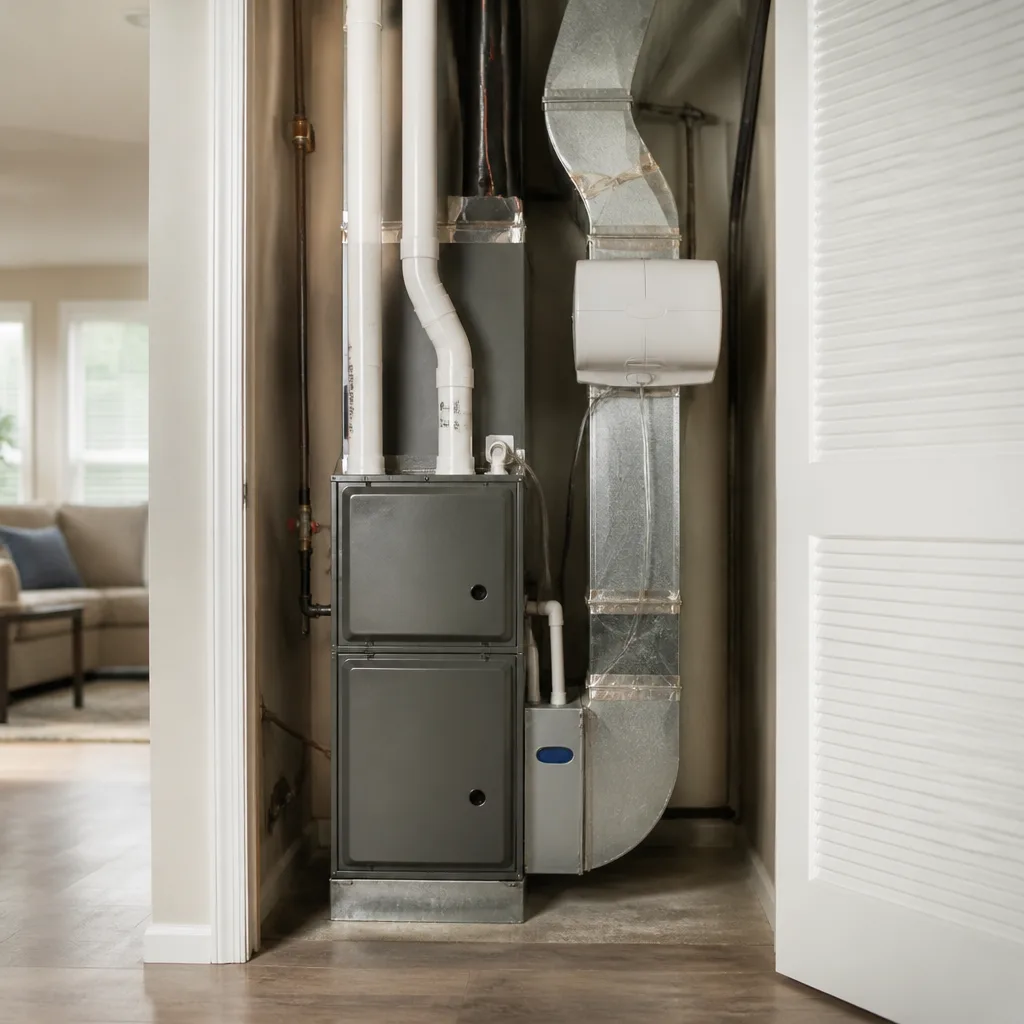 Furnace & heating
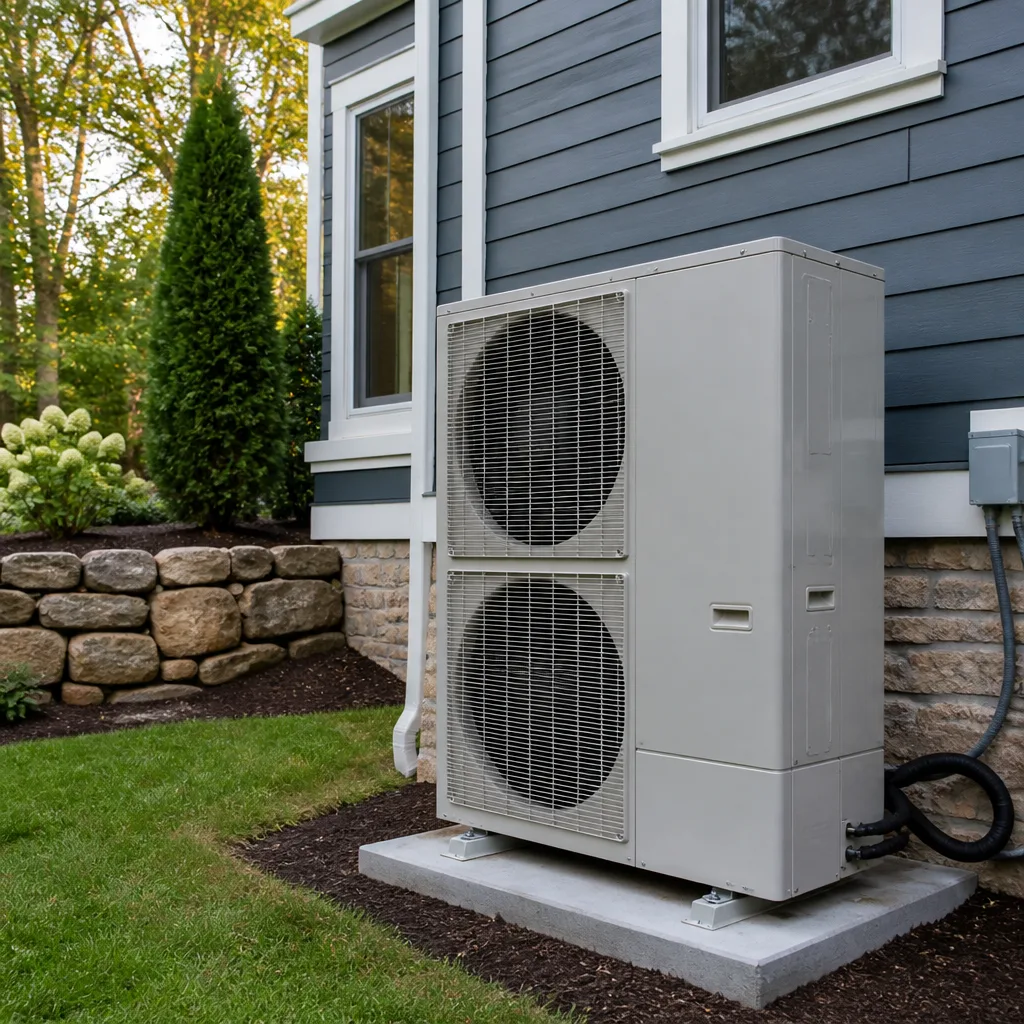 Heat pumps
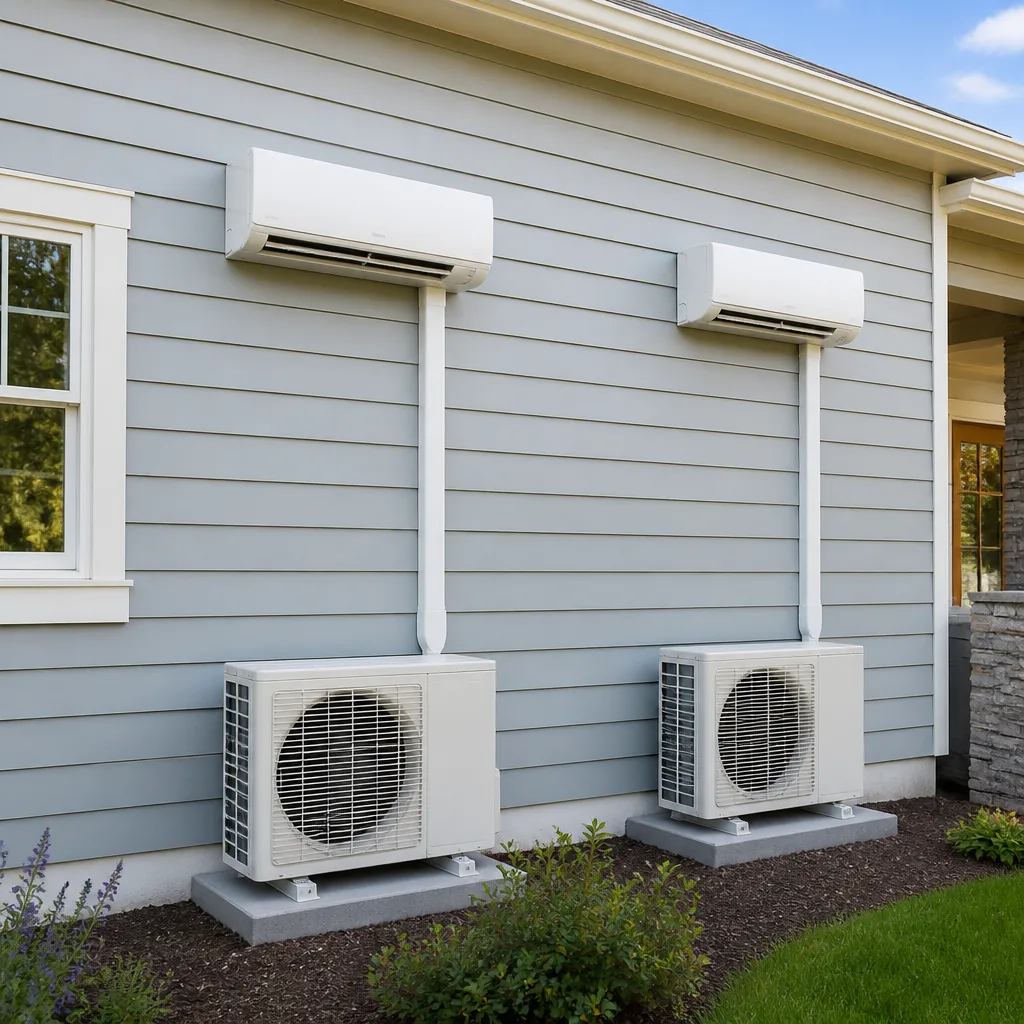 Ductless mini splits
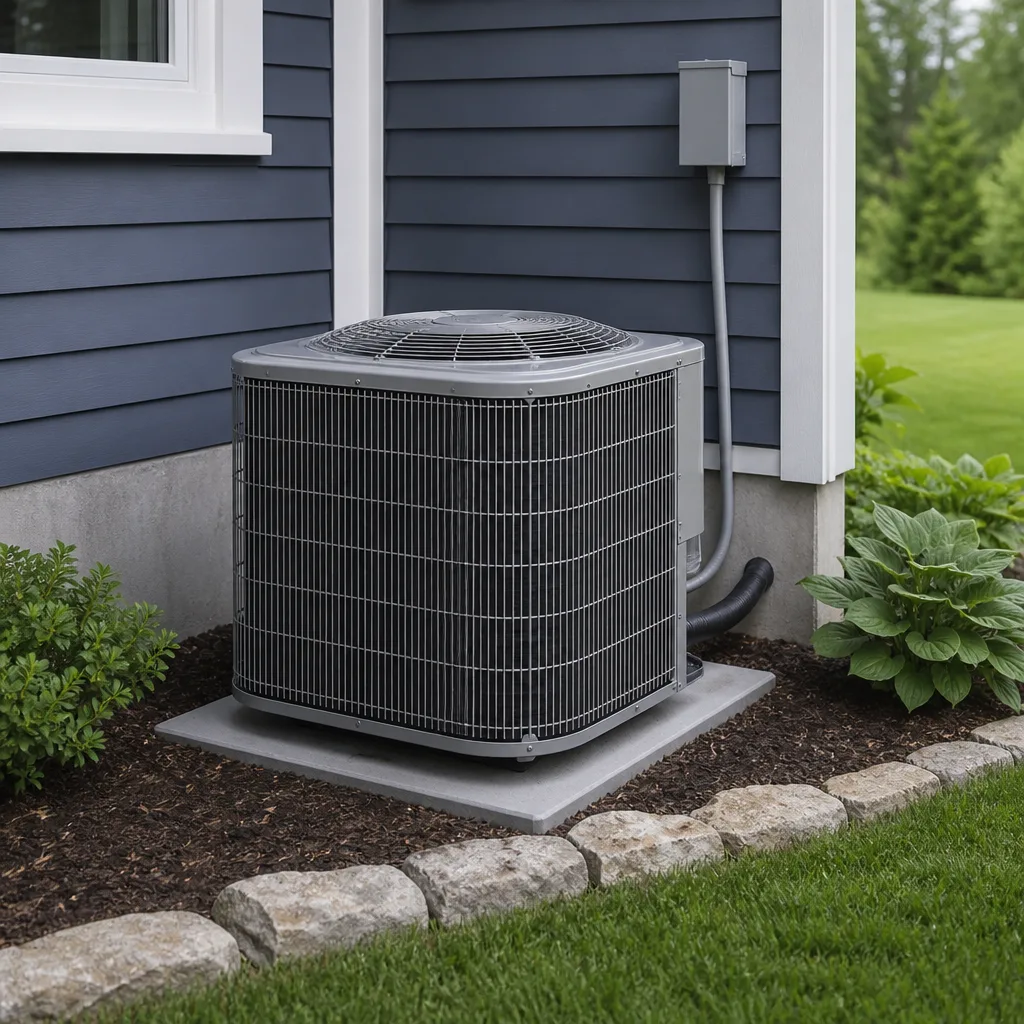 Carrier
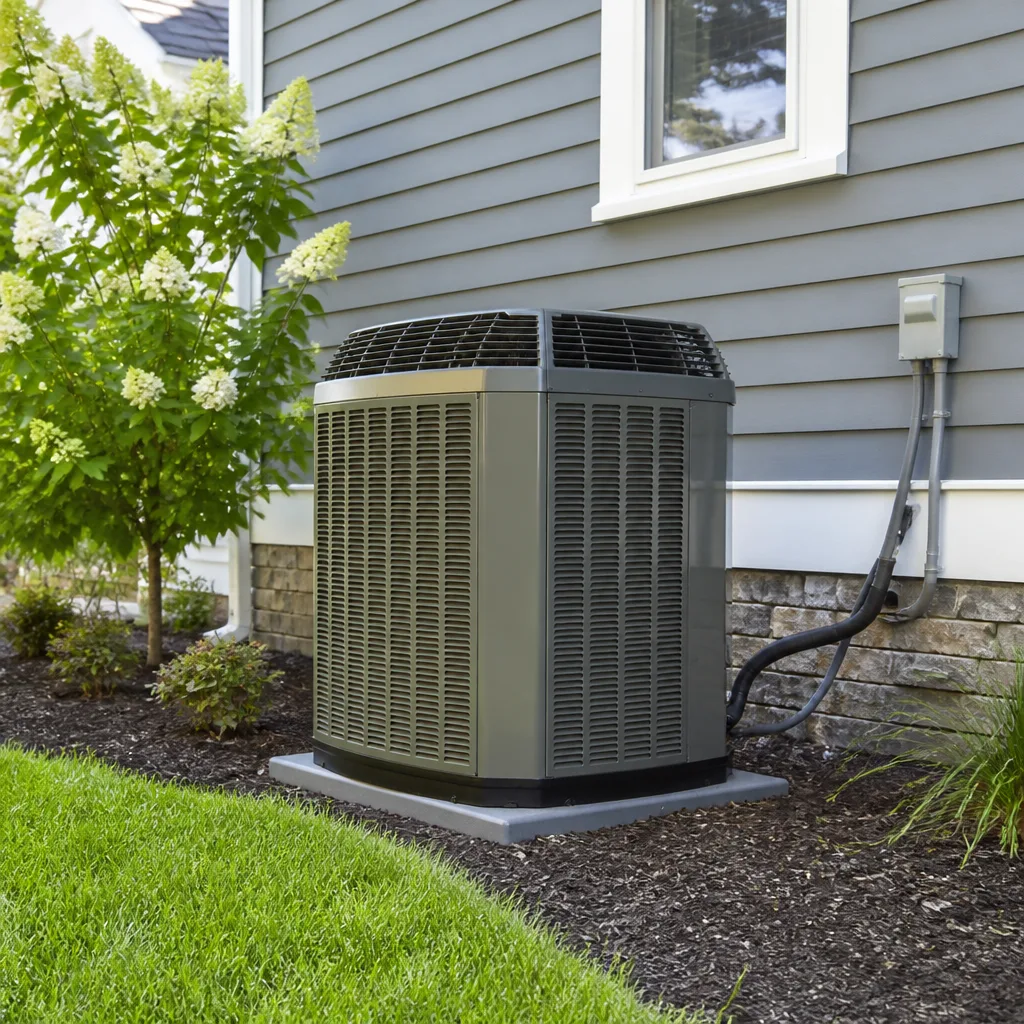 Trane
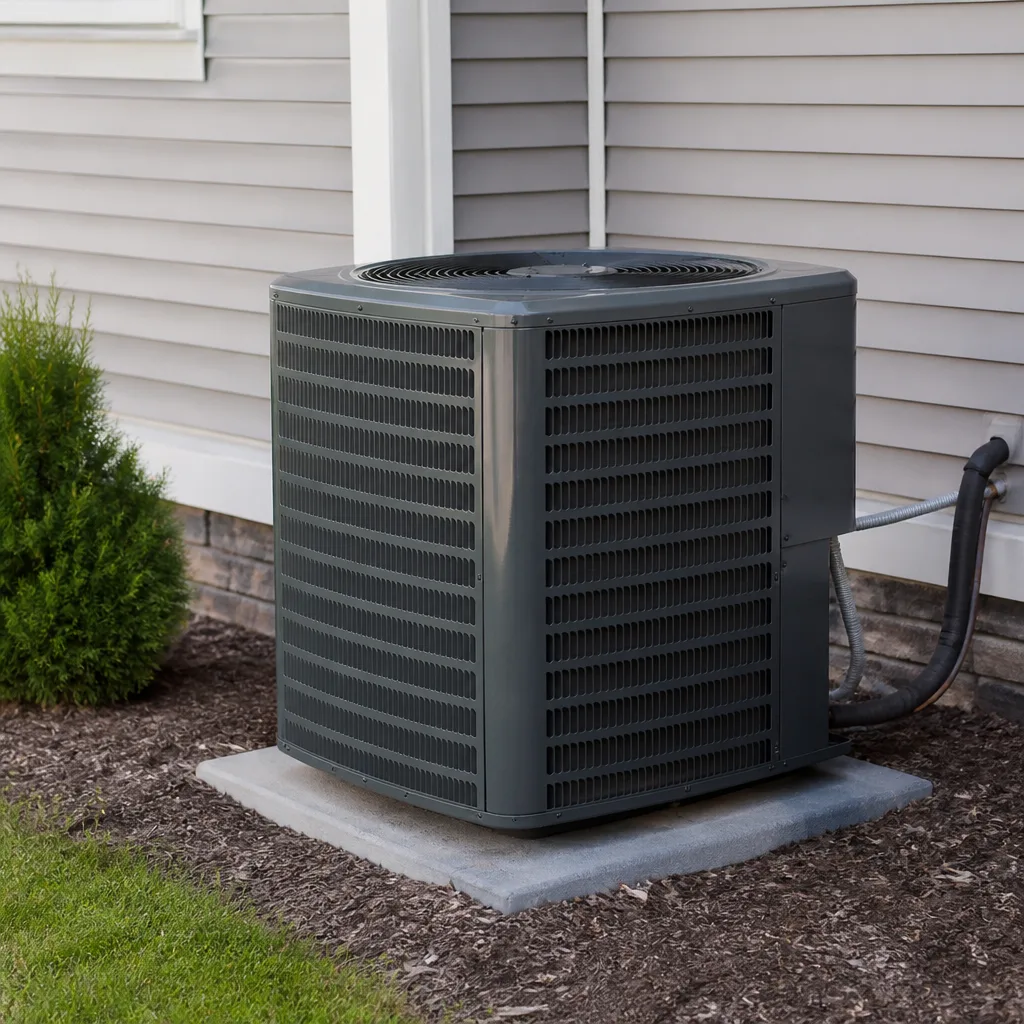 Goodman
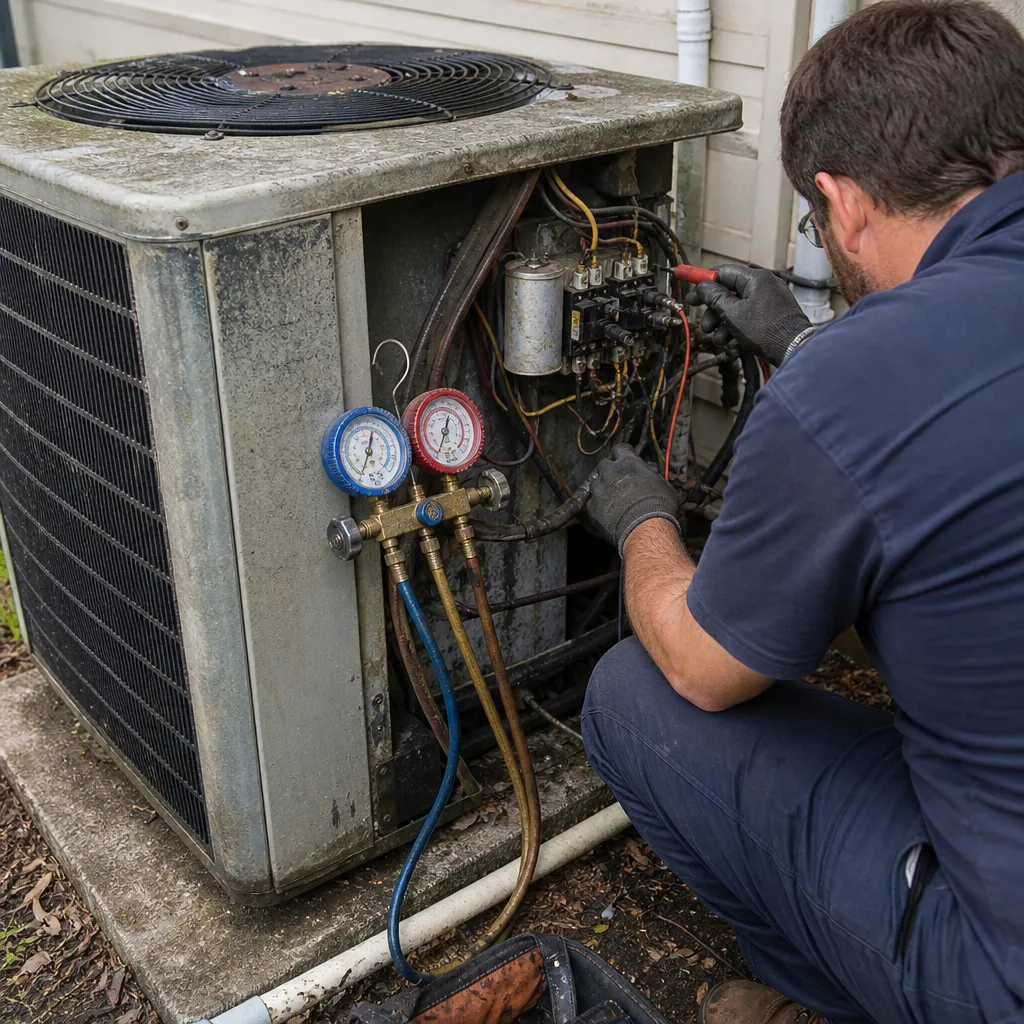
Seasonal tune-up and full diagnostic on your Carrier, Trane, or Goodman system - readings shown to you before any repair is proposed
Diagnosis first, numbers second - you approve the repair price before a single part goes in.
Get your free estimateHVAC Permits, Codes & Inspections in Fort Myers, FL: What You Need to Know
Here’s the part of an HVAC project most homeowners never think about until it becomes their problem: the permit. A permit isn’t paperwork that slows a job down. It’s the record that proves the work was done to code by someone accountable for it. In our experience around Fort Myers, the trouble usually surfaces years later, during a home sale or an insurance claim, when a buyer’s inspector or an adjuster asks for documentation that doesn’t exist. This guide walks through which HVAC work in Lee County triggers a permit, what a City of Fort Myers inspection actually checks, and how to protect yourself before a contractor ever touches your system. Read this once and you’ll know more than most people who’ve owned homes here for years.
Quick Answer
In Fort Myers and the rest of Lee County, HVAC permits are typically required for full system replacements, new equipment installations, new duct runs, and any work that alters the structure or electrical/gas connections to your system. Routine repairs and like-for-like part swaps usually don’t need one. The work must meet the Florida Building Code, and the contractor is responsible for pulling the permit and arranging the inspection.
Styles & brands we work with
- AC repair
- Furnace & heating
- Heat pumps
- Ductless mini splits
- Carrier
- Trane
- Goodman
Table of Contents
- Why HVAC Permits Matter More Than Most Homeowners Realize
- What HVAC Work Requires a Permit in Fort Myers?
- Florida Building Code vs. the IRC: Why National Guides Get This Wrong
- What a Lee County HVAC Inspection Actually Covers
- How Unpermitted HVAC Work Affects Your Insurance After Storm Damage
- Your Right to Request Permit Documentation
- Permits and the Fort Myers Home Sale
- Common Mistakes to Avoid
- When to Call a Professional
- Frequently Asked Questions
Why HVAC Permits Matter More Than Most Homeowners Realize
An HVAC permit is the record that ties a specific system installation to a licensed contractor, a set of code requirements, and an inspection by a local authority. That record follows the house. It stays with the property through every owner, every refinance, and every sale.
In our experience across Fort Myers, the value of that record becomes obvious in three moments. The first is a home sale, when a buyer’s inspector pulls the permit history and finds a gap. The second is an insurance claim after a storm, when an adjuster asks whether the HVAC equipment was installed to code. The third is a future repair, when a technician opens the system and can’t tell what was done or to what standard.
A permit isn’t a guarantee that the work is perfect. But it does mean a licensed inspector looked at key stages of the installation with a checklist in hand. That’s the part homeowners are really buying: an independent set of eyes on a system they can’t inspect themselves.
| What a Permit Gives You | What You Lose Without One |
|---|---|
| A documented installation by a licensed contractor | No verifiable record of who did the work or how |
| An independent inspection of key installation stages | Code problems that surface years later |
| A clean record for insurance and home sale | Questions from buyers and adjusters you can’t answer |
| A paper trail for future repairs | Guesswork for the next technician to open the system |
What HVAC Work Requires a Permit in Fort Myers?
The short answer: if the work involves installing new equipment, altering the structure of the home, or extending or modifying ductwork and electrical or gas connections, it typically requires a permit. If it’s a repair that restores existing equipment to working condition, it usually doesn’t.
The lines in Lee County follow the same pattern you’ll see across Florida, though the exact requirements are set by the local building department. If you’re ever unsure, the honest answer is to call the City of Fort Myers permitting office or Lee County’s building department and ask. A two-minute phone call saves a lot of trouble.
Work that typically requires a permit
- Full system replacement, including a new outdoor condenser and matching indoor air handler or coil
- New HVAC installations in new construction or additions
- New duct runs, or significant modifications to an existing duct system
- Changes to the electrical circuit feeding the HVAC equipment
- Changes to gas piping serving a furnace or other gas-fired heating equipment
- Relocating indoor or outdoor equipment, or changes that alter the building envelope
Work that typically does not require a permit
- Filter changes and regular homeowner maintenance
- Like-for-like repairs, such as replacing a failed capacitor, contactor, or blower motor
- Recharging refrigerant in a sealed system (though a licensed technician is required to handle refrigerant)
- Thermostat replacement, where no new wiring is added
- Cleaning coils, condensate lines, and drain pans
Here’s a phrase to watch for: “no permit needed.” In our experience, some homeowners hear it from contractors who want to skip the paperwork, and it’s usually worth asking why. On a full replacement, you want a permit. A reputable contractor should expect to pull one and should never charge you extra for doing what the law requires.
If you’re planning a full system swap, our AC installation page walks through what the job involves. A new install is one of the situations where a permit is most valuable, because it covers the largest amount of money and the most equipment.
Florida Building Code vs. the IRC: Why National Guides Get This Wrong
If you search for HVAC permit guidance online, most of what you’ll find is written around the International Residential Code, or IRC. Florida does not use the IRC directly. The state has its own code, the Florida Building Code, and Chapter 11 (Mechanical) sets requirements that in some cases are stricter or more specific than the IRC.
That matters to homeowners in Fort Myers for a few practical reasons.
- Florida has specific requirements for HVAC installations that national guides won’t mention, because they’re state-specific. Following a national checklist instead of the Florida Building Code is a real risk on a permitted job.
- Florida’s climate drives the code. The state’s requirements account for heat, humidity, and hurricane exposure. Systems in Fort Myers work hard year-round in a way that systems in cooler climates don’t.
- Local amendments exist. Counties and cities can adopt amendments on top of the state code. Lee County’s building department is the authority on what applies to your address.
What this means in practice: an out-of-state checklist, a YouTube video, or a national guide can be wrong for Fort Myers even when it’s accurate somewhere else. The Florida Building Code is the baseline, and your local building department is the source of truth for your specific property.
We’re not a code authority, and we don’t pretend to issue permits ourselves. What we can do is work with the licensed contractors and inspectors involved to make sure a job is done to the standard required. Our technicians have up to 9 years of experience with residential HVAC systems, and that experience includes coordinating with the people responsible for inspection and sign-off.
A quick comparison of what the two codes focus on
| Area | IRC (National Guide Baseline) | Florida Building Code (Local Standard) |
|---|---|---|
| Governing authority | Model code used by many states | State code adopted by Florida, with local amendments |
| Climate context | Broad, national | Specific to Florida’s heat and humidity |
| Installation requirements | General | Includes Florida-specific provisions |
| Where to confirm | Not the local authority | City of Fort Myers or Lee County building department |
What a Lee County HVAC Inspection Actually Covers
A Lee County HVAC inspection is not a single visit. Depending on the scope of the job, it’s usually a rough-in inspection and a final inspection, and each one covers different ground. Knowing what each stage checks helps you understand what the inspector is verifying and why.
Rough-in inspection
The rough-in happens before the system is fully assembled and closed up. The inspector is checking whether the installation, as built, matches the approved plan and meets code before the work is hidden behind drywall, insulation, or equipment cabinets. Rough-in usually covers:
- Ductwork layout, sealing, and support before it’s enclosed
- Electrical connections and disconnect placement
- Gas piping and connections, where applicable
- Equipment placement, clearances, and access for service
- Condensate drainage and safety switches
Final inspection
The final happens after the system is installed and running. The inspector confirms the equipment is installed correctly, the system operates, and the installation is complete and code-compliant. The final inspection is what usually leads to the certificate of completion or final sign-off that becomes the property record.
What tends to fail locally
Failures usually trace back to the same handful of issues. These aren’t universal statistics; they’re patterns that come up in our experience working alongside inspectors and contractors in the Fort Myers area.
- Insufficient service access. Equipment installed too close to walls, ceilings, or other equipment, making it hard to maintain.
- Missing or improper condensate safety switches. In a humid climate, condensate management is critical, and inspectors check for it.
- Unsealed or improperly supported ductwork. Duct runs that leak or sag fail the rough-in.
- Electrical and disconnect problems. Missing disconnects, undersized circuits, or improper connections.
- Equipment not matching the permit. If the installed system differs from what the permit was pulled for, the inspector can’t sign off.
The good news is that these failures are preventable. A contractor who knows the local inspection process will build the job to pass the first time. That’s one reason we prefer to work with contractors who do this routinely and understand how the process actually works, rather than treating permits as an afterthought.
How Unpermitted HVAC Work Affects Your Insurance After Storm Damage
This is where unpermitted work becomes genuinely expensive. Florida homeowners’ insurance policies are written with the expectation that the home is maintained to code. When a claim involves equipment that was installed without a permit, the insurer can raise questions about whether the equipment meets the standards the policy assumes.
Here’s the practical version of what can happen after a storm in Fort Myers.
- The adjuster inspects the damage. That includes the HVAC equipment if it’s part of the claim.
- The adjuster asks for documentation. Installation records, permits, and inspection sign-offs support the claim.
- Missing records create a gap. The insurer may deny, reduce, or delay the HVAC portion of the claim.
- You’re left to prove the installation was code-compliant after the equipment has already been damaged, which is difficult or impossible.
Coverage varies by policy and by insurer, and we’re not insurance advisors. But in our experience, the presence or absence of a permit record is one of the things that can affect how smoothly a claim goes. The permit you didn’t pull becomes the question you can’t answer at the worst possible moment.
The reverse is also true. A permitted installation with a clean inspection record is documentation. It supports the claim, it supports the home sale, and it supports future repair decisions, because the next technician knows exactly what they’re working with.
Your Right to Request Permit Documentation
You have the right to ask a contractor for permit documentation before work begins, and any reputable contractor will provide it without hesitation. This is not an intrusive request. It’s the baseline standard for hiring someone to install or replace a system in your home.
What to ask before work begins
- Will the permit be pulled under your license, in writing, with a copy provided to me?
- Who is responsible for scheduling the rough-in and final inspections?
- Will I receive a copy of the final inspection sign-off?
- If the inspection fails, who is responsible for the corrections and the re-inspection fees?
Every one of those answers should be clear and documented. If a contractor hesitates, deflects, or tells you a permit “isn’t necessary for this job,” treat it as a signal to slow down. We hear this concern from Fort Myers homeowners fairly often, and the answer to it is straightforward: on a replacement or a new install, you want a permit, and a contractor who won’t pull one is putting your property record at risk.
What to do if a contractor refuses
- Ask for the refusal in writing. A contractor who won’t pull a permit is unlikely to put that in writing, which tells you what you need to know.
- Confirm what’s actually required. Call the City of Fort Myers or Lee County building department and ask whether a permit is needed for your specific scope of work.
- Get a second estimate. Any licensed contractor should be willing to explain the permit process clearly.
- Don’t move forward with a contractor who pushes back on permitting. The cost of pulling a permit is small compared to the cost of owning a property record with a gap in it.
Permits and the Fort Myers Home Sale
Here’s where the permit question usually lands hardest: the home sale. In our experience, the single most common situation is an HVAC replacement done without a permit three or four years before listing the house. The sellers probably didn’t know to ask. The contractor either didn’t offer or actively suggested skipping the permit. The work may even be operating fine.
Then the buyer’s inspector pulls the permit history. There’s no record. The buyer requests documentation the seller can’t provide. Suddenly the seller owns a problem that could have been avoided with a routine permit at the time of install.
Retroactive permitting is possible in many cases, but it usually requires an inspection of a system that’s already installed and in use, which can lead to corrections that cost more than the original job. And sometimes the corrections aren’t minor.
The lesson for anyone planning an HVAC replacement in Fort Myers is simple: pull the permit on the front end. It’s cheaper in every sense than fixing the problem later, and it gives you something you can hand to a buyer or an insurer on demand.
Common Mistakes to Avoid
- Assuming a permit is not required for a full replacement. A full system replacement, including new equipment and changes to electrical or ductwork, is exactly the kind of job that requires one. Confirm with the local building department, don’t assume.
- Taking “we don’t need a permit” at face value. If a contractor tells you a permit isn’t needed for a replacement, ask why and get it in writing. It’s usually a sign the contractor is avoiding the process, not that the process is optional.
- Not requesting permit documentation before work begins. The time to ask about permits and inspections is before anyone shows up with equipment, not after. Ask for the answers in writing.
- Skipping the final inspection sign-off. The final inspection record is the piece of paper that matters most for insurance and resale. Make sure you get a copy.
- Trusting a national guide over the local code. The Florida Building Code and any local amendments are what apply in Fort Myers. National checklists that reference the IRC can be wrong here.
- Hiring a contractor who resists permitting. A contractor who won’t pull a permit is telling you something about how they do business. Take it seriously.
- Overlooking ductwork and electrical changes. Even seemingly small installs can involve new duct runs or circuit changes that require a permit. Scope of work, not job size, determines whether a permit is needed.
When to Call a Professional
Call a professional before you sign anything on an HVAC replacement, and before you hire anyone to touch a duct system, electrical circuit, or gas line. Those are the situations where a permit and an inspection matter most, and they’re also the situations where a bad install is hardest to detect after the fact.
You should also call someone if you’ve inherited a home in Fort Myers with an unclear HVAC history, or if you’re seeing signs of a system that was installed poorly: ductwork that leaks badly, equipment that’s hard to access for service, condensate issues that keep coming back, or documentation that doesn’t match what’s in the attic. Those are all worth a professional look before they become a claim problem.
Blackwell Air Conditioning offers free estimates in Fort Myers. We install and service equipment across nine major brands, from Carrier and Daikin to Goodman and Bryant, and we’re not locked into a single manufacturer. That means our recommendations are driven by your home’s load requirements and your budget, not a vendor contract. We can also help you understand what scope of work is involved in your job so you can walk into the permitting conversation with the right questions.
Call (833) 946-8616. We answer 24/7. Fast dispatch from 7am to 7pm, Sunday through Friday.
Frequently Asked Questions
In most cases, yes. A full AC replacement in Fort Myers typically requires a permit because it involves new equipment and often changes to electrical or duct connections. The permit should be pulled by the contractor and includes rough-in and final inspections. If a contractor tells you a full replacement doesn’t need a permit, get that in writing and confirm with the City of Fort Myers or Lee County building department before moving forward. Call (833) 946-8616 for a free estimate.
Routine repairs that restore existing equipment to working condition generally don’t require a permit, and neither do filter changes, thermostat replacements without new wiring, or standard maintenance like coil cleaning. The dividing line is usually whether the work installs new equipment or changes the structure, ductwork, electrical, or gas connections. When in doubt, confirm with the local building department rather than guessing.
The buyer’s inspector will typically pull the permit history, and a gap can stall or reduce the sale. In our experience, sellers who did an unpermitted replacement years earlier often discover the problem at the worst time and end up retroactively permitting an already-installed system, which can be more expensive and more complicated than the original job would have been. Call (833) 946-8616 for a free estimate if you’re trying to sort out an unclear HVAC history.
It can, depending on the policy and the specific claim. Insurers expect the home to be maintained to code, and when a storm or other event triggers an HVAC claim, the adjuster may ask for installation and permit records. Missing records can lead to a denied, reduced, or delayed claim. A permitted install with a clean inspection record is documentation you can provide. Coverage varies by policy, so review yours carefully. Call (833) 946-8616 for help understanding your system’s history.
The contractor is generally responsible for pulling the permit under their license and scheduling the inspections. As the homeowner, your job is to ask for the documentation before work begins and to receive a copy of the final inspection sign-off. A reputable contractor will provide both without being asked twice. If a contractor refuses to pull a permit for an install or replacement, don’t hire them.
Timelines vary by the scope of work, the permitting office’s current workload, and whether the job needs a rough-in inspection separate from the final. Most residential replacements follow a rough-in and final pattern, and scheduling depends on the building department and the contractor. Ask your contractor for a realistic timeline at the estimate stage, and confirm with the local building department if timing is critical. Call (833) 946-8616 to discuss your project.
See the difference
 Before
 After
 Before
 After
 Before
 After
The Bottom Line
An HVAC permit is small on the front end and large on the back end. In Fort Myers, the situations where a missing permit hurts most are the ones that show up years after the work is done: an insurance claim that can’t be supported, a home sale that stalls over documentation, or a retrofit that costs more than the original job would have. The fix is straightforward. Ask about the permit before work begins, get the answers in writing, and make sure the final inspection sign-off ends up in your hands. If the work is a repair, you probably don’t need a permit. If it’s a replacement or a new install, you do. That’s the whole rule.
Your Next Step
Whether you’re planning a replacement, sorting out an unclear HVAC history, or just want a straight answer about what your job involves, Blackwell Air Conditioning can help. We install and service equipment across nine major brands, from Carrier and Daikin to Goodman and Bryant, and we can work with the contractors and inspectors who handle the permitting side. We also handle furnace repair for the heating side of your system, so one contractor covers both. If you’re not sure where to start, take a look at the Blackwell Air Conditioning page or Fort Myers to see what we cover. Call (833) 946-8616 for a free estimate. We answer 24/7. Fast dispatch from 7am to 7pm, Sunday through Friday.
Written by the team at Blackwell Air Conditioning.