
Last updated November 16, 2026
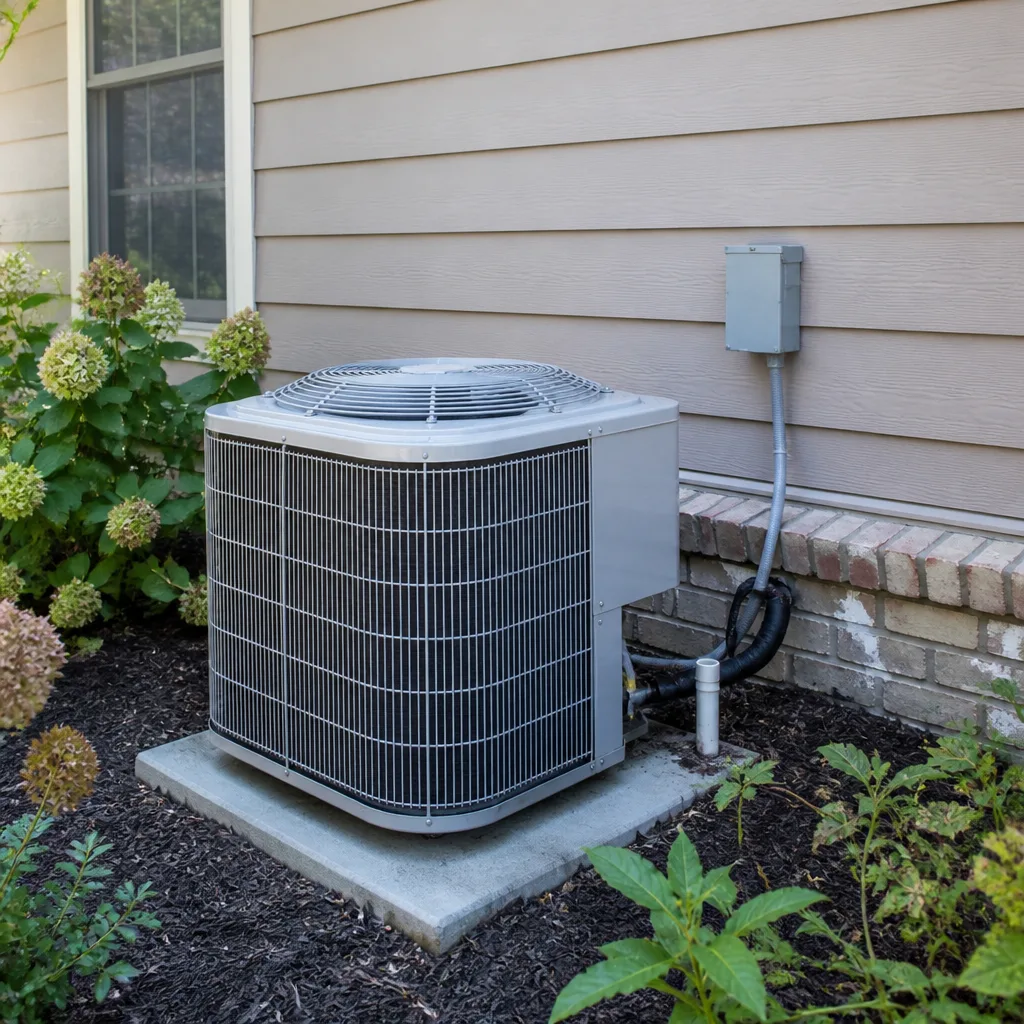 AC repair
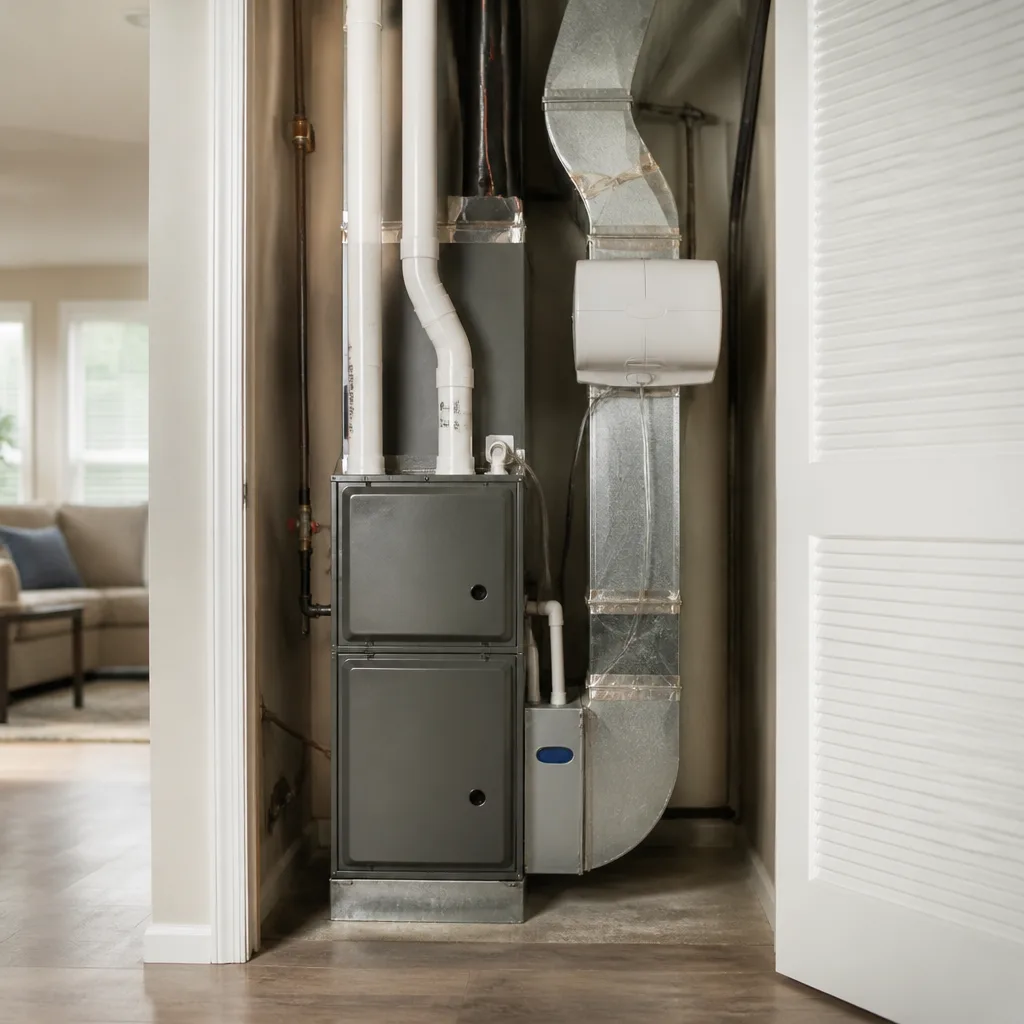 Furnace & heating
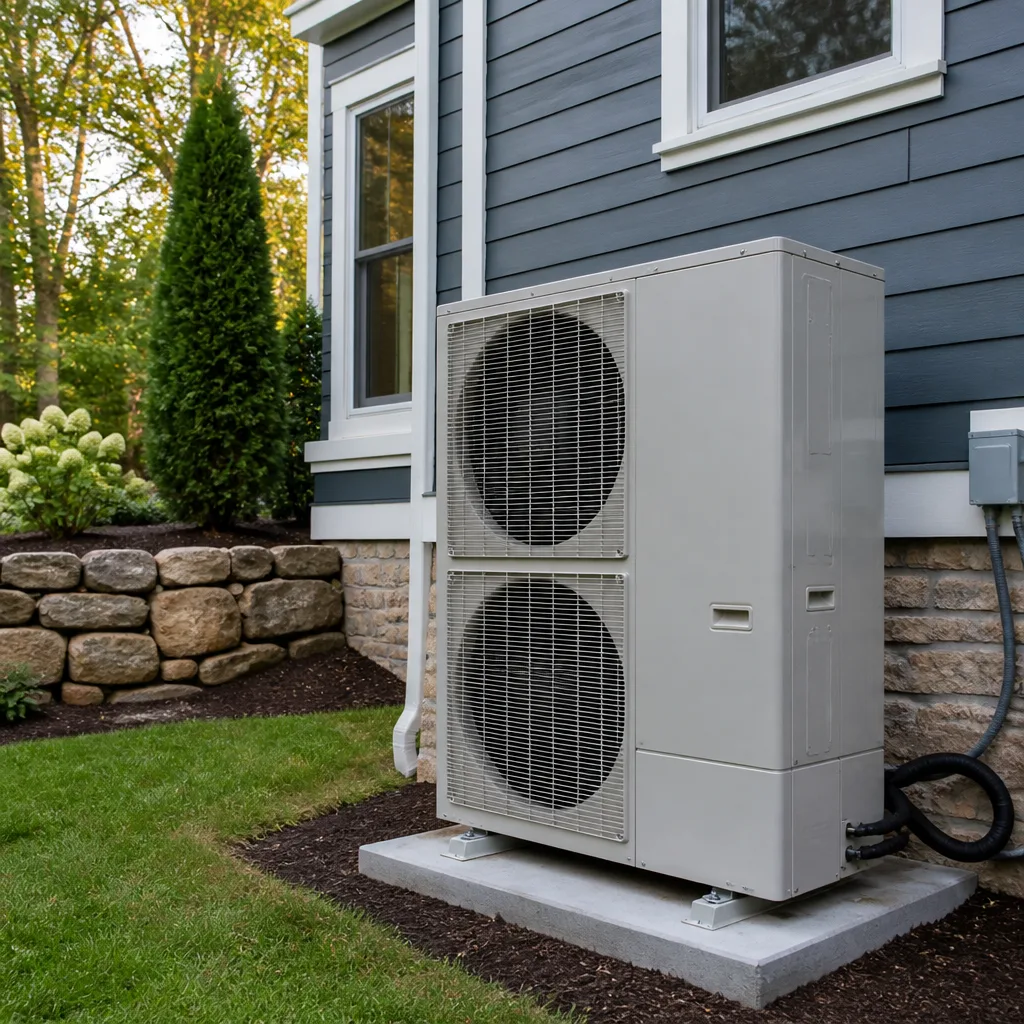 Heat pumps
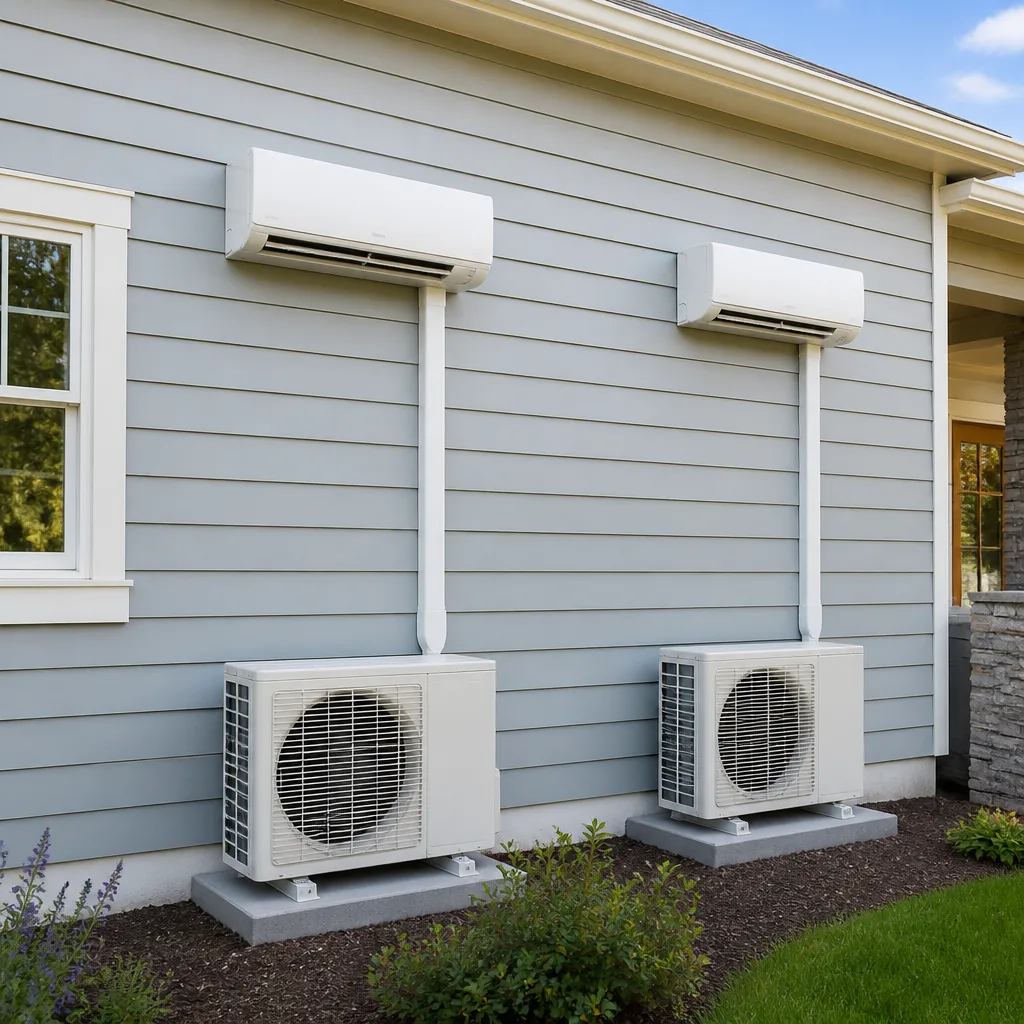 Ductless mini splits
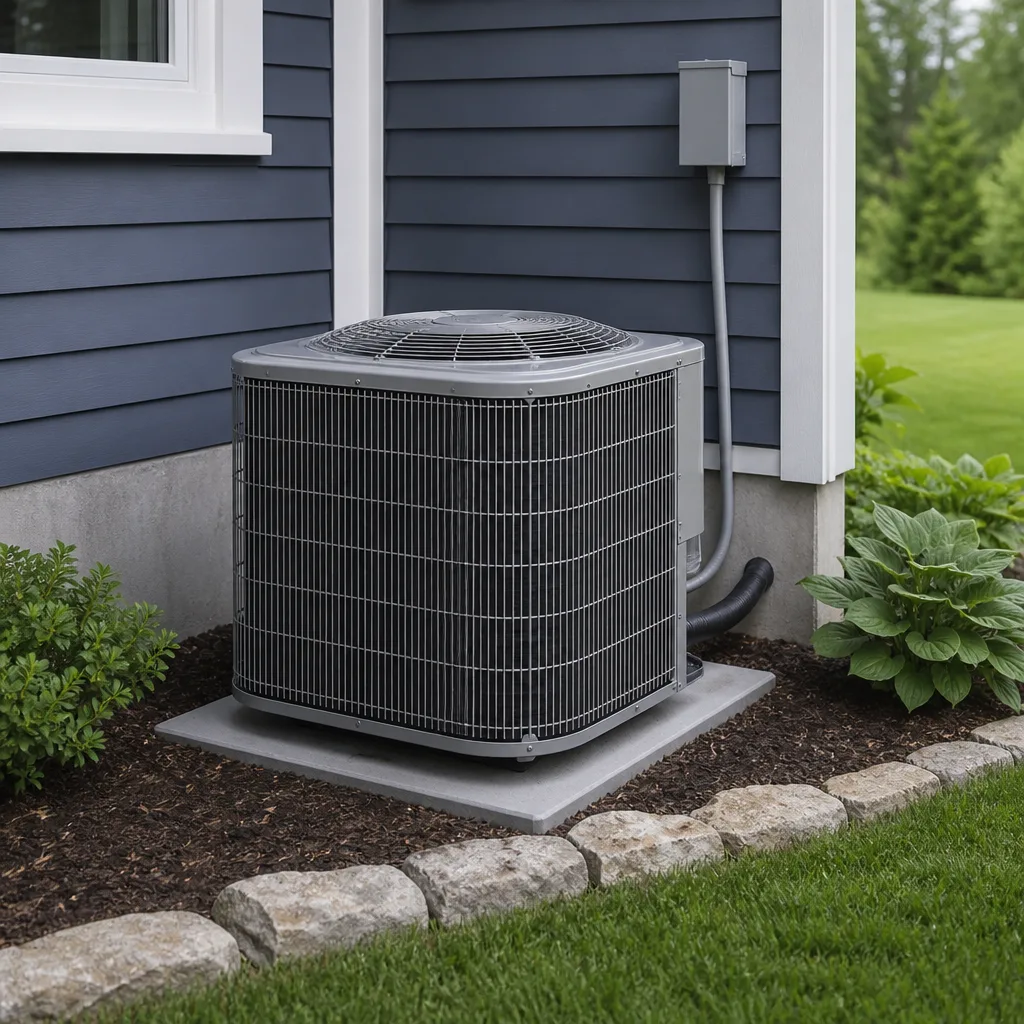 Carrier
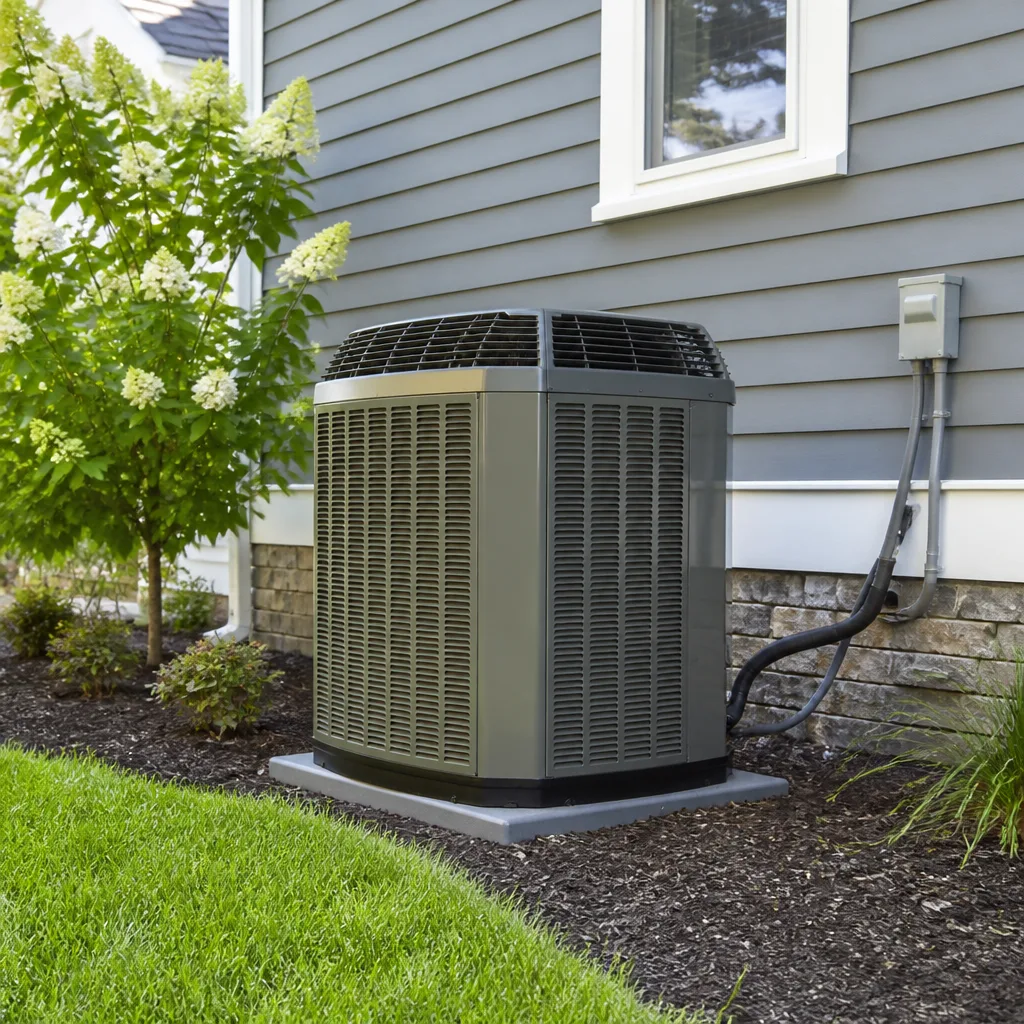 Trane
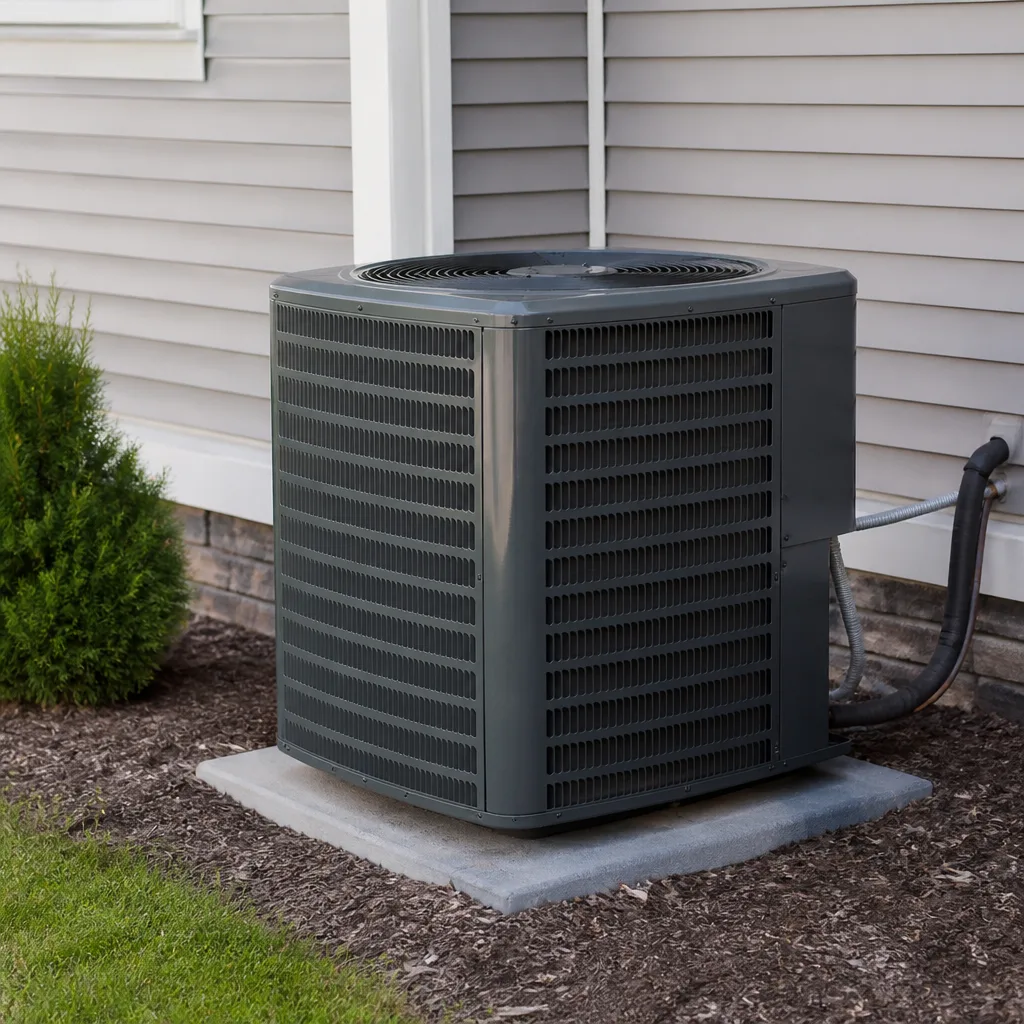 Goodman
Seasonal tune-up and full diagnostic on your Carrier, Trane, or Goodman system - readings shown to you before any repair is proposed
Diagnosis first, numbers second - you approve the repair price before a single part goes in.
Get your free estimateLet me build it out.
How to Hire an HVAC Contractor in Fort Myers: A Step-by-Step Guide
If the first question an HVAC contractor asks is “what’s your budget?” instead of “what system do you currently have and what problems are you experiencing?”, you’re in a sales process, not a diagnostic one. That distinction matters more in Fort Myers than almost anywhere, because contractor options here are plentiful and quality varies sharply. A low bid built on a single proprietary brand can quietly become a lock-in that limits your options for the next decade. This guide teaches you to audit contractor independence and workmanship before price ever enters the conversation. You’ll learn how to verify a Florida CAC license, read a quote line by line, evaluate warranty terms, and confirm permits are pulled correctly.
Quick Answer
To hire an HVAC contractor in Fort Myers, verify the contractor holds a current Florida Certified Air Conditioning (CAC) license through the DBPR lookup, ask which manufacturers they install and service to confirm brand neutrality, insist on quotes with specific equipment model numbers and separated labor and parts, confirm who backs the labor warranty, and verify a permit is pulled before work starts. A contractor who can’t answer those questions cleanly isn’t the right call, no matter how low the bid.
Styles & brands we work with
- AC repair
- Furnace & heating
- Heat pumps
- Ductless mini splits
- Carrier
- Trane
- Goodman
Table of Contents
- Step 1: Verify the CAC License Through DBPR
- Step 2: Test Brand Fluency, Not Brand Loyalty
- Step 3: Read the Quote Line by Line
- Step 4: Evaluate Warranty Terms Before You Sign
- Step 5: Confirm Permits Are Pulled
- Step 6: Watch How the Contractor Diagnoses
- Step 7: Ask the Right Questions Before Hiring
Step 1: Verify the CAC License Through DBPR
A Florida Certified Air Conditioning (CAC) license is the specific credential that allows a contractor to legally install, repair, and service HVAC systems in this state. It is not the same as a general contractor’s license, and it is not a substitute for one. A general contractor can build your home; only a CAC-licensed contractor can legally perform the air conditioning work inside it. Hiring someone without the CAC license is a risk that shows up later, often when you try to sell the home or file a warranty claim.
How to Confirm the License
- Go to the Florida Department of Business and Professional Regulation (DBPR) license lookup.
- Search by the contractor’s business name or the individual’s name on the quote.
- Confirm the license type reads “Certified Air Conditioning Contractor” and the status is “Current, Active.”
- Check the expiration date and any disciplinary history listed on the record.
- Ask the contractor to provide their CAC license number in writing on the estimate.
A legitimate Fort Myers contractor will not hesitate to give you the license number. If the number isn’t on the quote or the contractor deflects, that’s your answer. In our experience, the contractors who do the best work are proud of their credentials and put them in front of you without being asked. The ones who don’t are usually the ones with something to hide. If you’d like a starting point on our side, you can review who we are and how we work on the Blackwell Air Conditioning home page.
Step 2: Test Brand Fluency, Not Brand Loyalty
A contractor who installs only one manufacturer’s equipment isn’t giving you a recommendation. They’re giving you an inventory decision. That distinction sits at the heart of how to hire an HVAC contractor in Fort Myers, because a single-brand contractor has financial incentive to fit your home’s load to the product they carry, not the other way around. Brand fluency is the antidote. When a contractor is certified across multiple manufacturers, they can match equipment tier to your actual load calculation and your budget rather than steering you toward one line.
Questions That Reveal Brand Fluency
- “Which manufacturers are you certified to install and service, and why those?”
- “Can you walk me through the difference between a premium line like Trane or Carrier and a value line like Goodman on the same load?”
- “If I already own a Lennox system and want to keep it running, can you service it?”
- “How do you decide which equipment to recommend when two brands would both fit my home?”
The right answers describe trade-offs: efficiency ratings, noise levels, parts availability, and price tier. The wrong answers describe why one brand is “the best” and everything else is inferior. Our technicians are certified to work across nine leading brands, including Carrier, Trane, Lennox, and Goodman, so a recommendation from us starts with your home’s load requirements and your budget, not a vendor contract. That’s the standard you should hold any Fort Myers contractor to, whether you hire us or someone else. For a deeper look at what installation involves, see our page on AC installation.
Step 3: Read the Quote Line by Line
The fastest way to spot a problem contractor is to read the quote. A vague estimate is not an accident. It’s a structure that lets the contractor change what goes in and keep the price where it is. In Fort Myers, where the cooling season runs long and equipment gets worked hard, the difference between two systems of the same nominal tonnage can be significant. You can only compare them if the quote names them.
What a Clean Quote Contains
- Equipment model numbers for the condenser, air handler, and any coil or components.
- Separated labor and parts with a line for each, not one lumped total.
- Load calculation reference, so you can see the sizing was calculated rather than guessed.
- Permit cost listed separately, not folded silently into “misc.”
- Warranty terms for parts and labor, in writing.
- Timestamped scope: what gets removed, what gets added, and what stays.
Red flags to catch early: line items that say “package deal” or “system replacement” without model numbers, labor described as “included” with no separate figure, and quotes that get revised verbally after the fact. If two contractors give you comparable totals but one names the equipment and the other doesn’t, the one that names equipment is the one you can actually hold accountable. A written estimate sets the final price with us, and it doesn’t leave room for guesswork on your end.
Step 4: Evaluate Warranty Terms Before You Sign
Warranty questions separate contractors who stand behind work from contractors who pass the buck. The manufacturer warranty covers the parts. The labor warranty covers the hands that installed them, and that coverage comes from the contractor, not the manufacturer. If the quote says “10-year warranty” without specifying which kind, you don’t have enough information to compare it.
What to Confirm in Writing
- Who backs the labor warranty: the contractor or the manufacturer?
- How long the labor warranty runs, and whether it transfers if you sell the home.
- What voids the warranty: unregistered equipment, missed maintenance, unauthorized parts, or self-repair.
- Whether warranty service is performed by the same contractor or routed to a third party.
- Whether the warranty covers diagnostic visits or only the repair itself.
In our experience, labor warranties that live with the contractor are more likely to be honored, because the contractor has a direct relationship with the equipment they installed. Manufacturer warranties are stronger on parts and weaker on labor. A good quote makes both clear, and a good contractor will walk you through the trade-offs rather than paper over them. If you’re comparing repair against replacement, our page on furnace repair shows how the same honest diagnostic approach applies on the heating side.
Step 5: Confirm Permits Are Pulled
Pulling a permit is a trust signal, not an inconvenience. In Fort Myers, a permitted HVAC installation goes through an inspection that confirms the work meets the Florida Building Code. When a contractor skips the permit, the work may still run, but you inherit the risk. Unpermitted installations can complicate a future sale, void manufacturer warranties, and leave you exposed if something fails and the insurer starts asking questions.
How to Confirm a Permit Is Pulled
- Ask the contractor in writing: “Will you pull the permit, and will it be included in the quote?”
- Request the permit number once it’s issued.
- Confirm the permit lists the equipment model numbers you agreed to.
- Ask who handles the inspection scheduling and whether it’s included in the price.
- Keep a copy of the inspection sign-off for your records.
Our technicians have up to 9 years of experience, and that experience is why we treat permits as a baseline rather than an upsell. A permit tells you the contractor expects the work to be inspected. A contractor who talks you out of the permit is telling you they don’t want the work inspected. That’s the whole message.
Step 6: Watch How the Contractor Diagnoses
The diagnostic conversation tells you almost everything about how the contractor operates. A contractor who shows up, looks at the air handler for three minutes, and recommends a full replacement is running a sales script. A contractor who asks what problems you’re experiencing, what your system is doing, and what you’ve already tried is running a diagnostic process. That distinction matters in Fort Myers, where the same symptom can come from several different causes and the cheapest fix is sometimes the right one.
What a Real Diagnosis Sounds Like
- The technician asks which rooms are warm and which are cool.
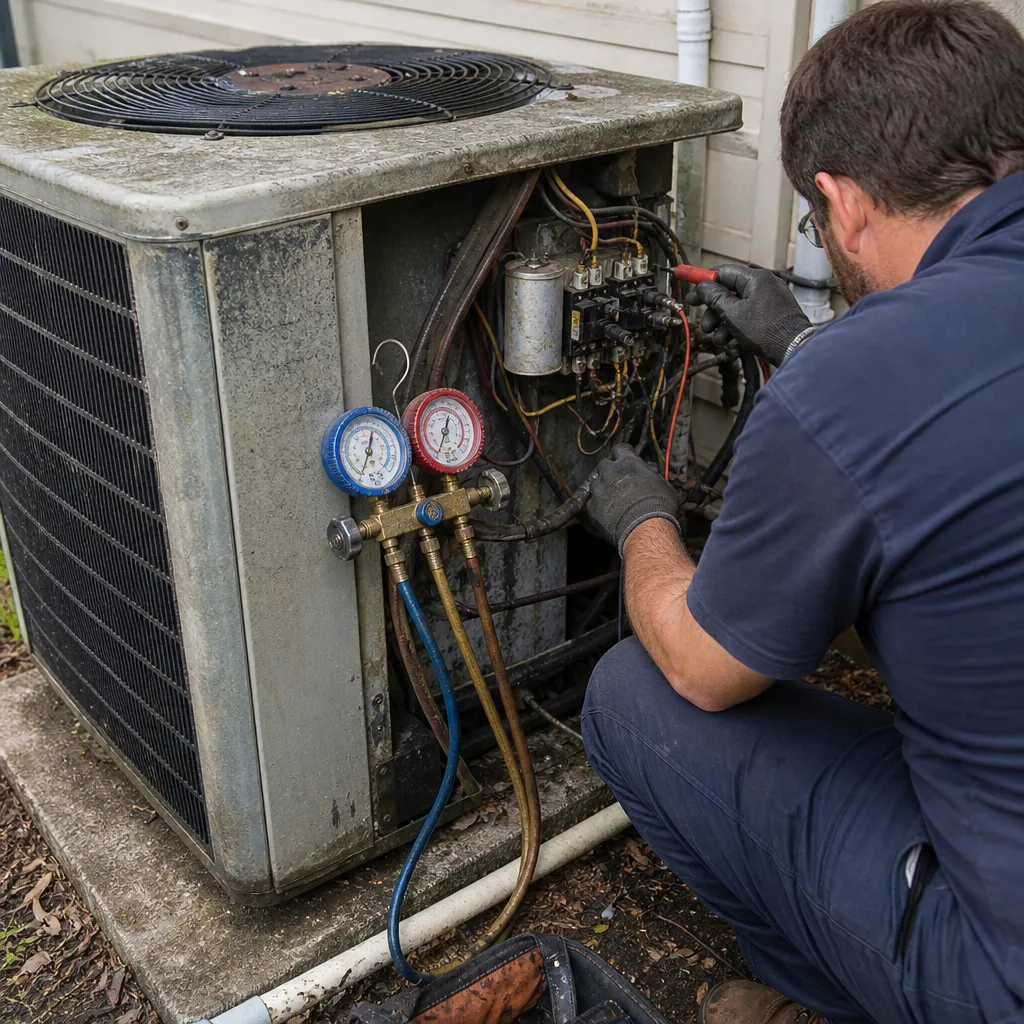
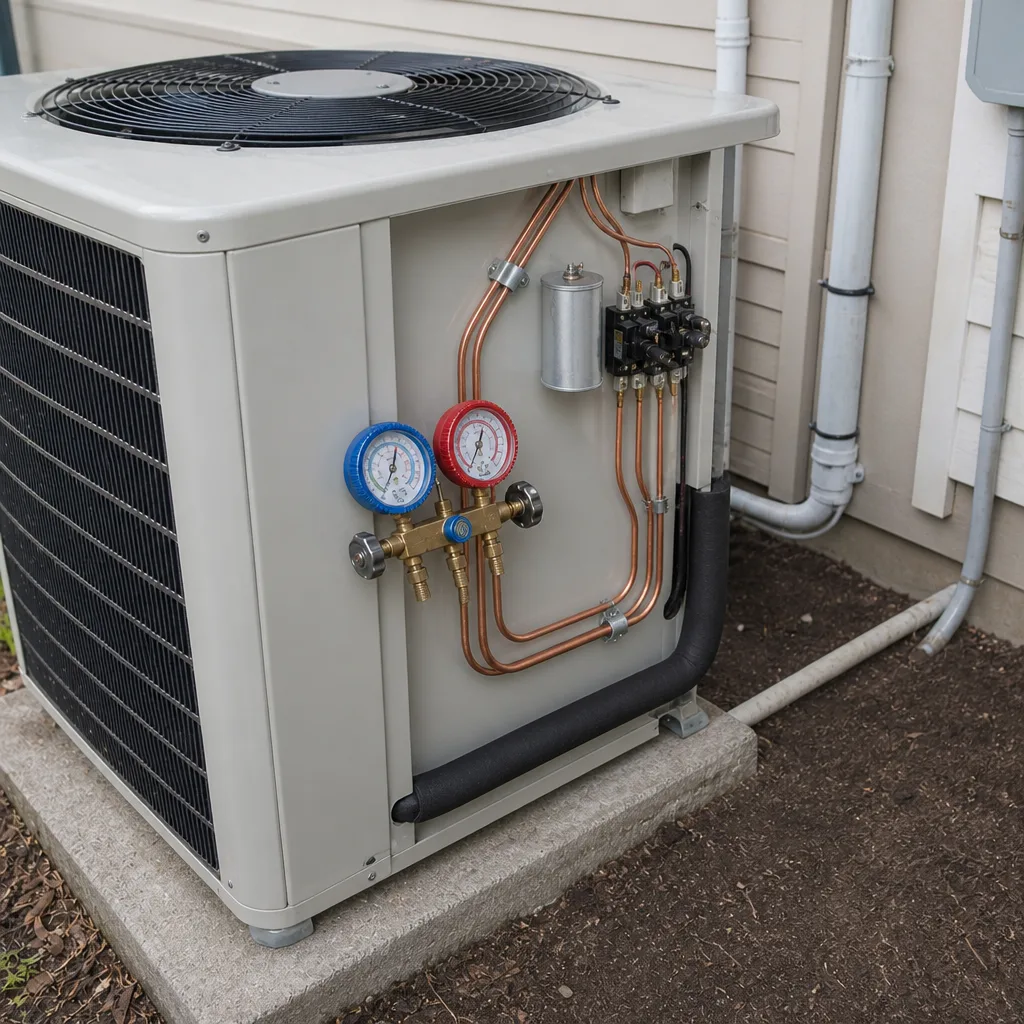
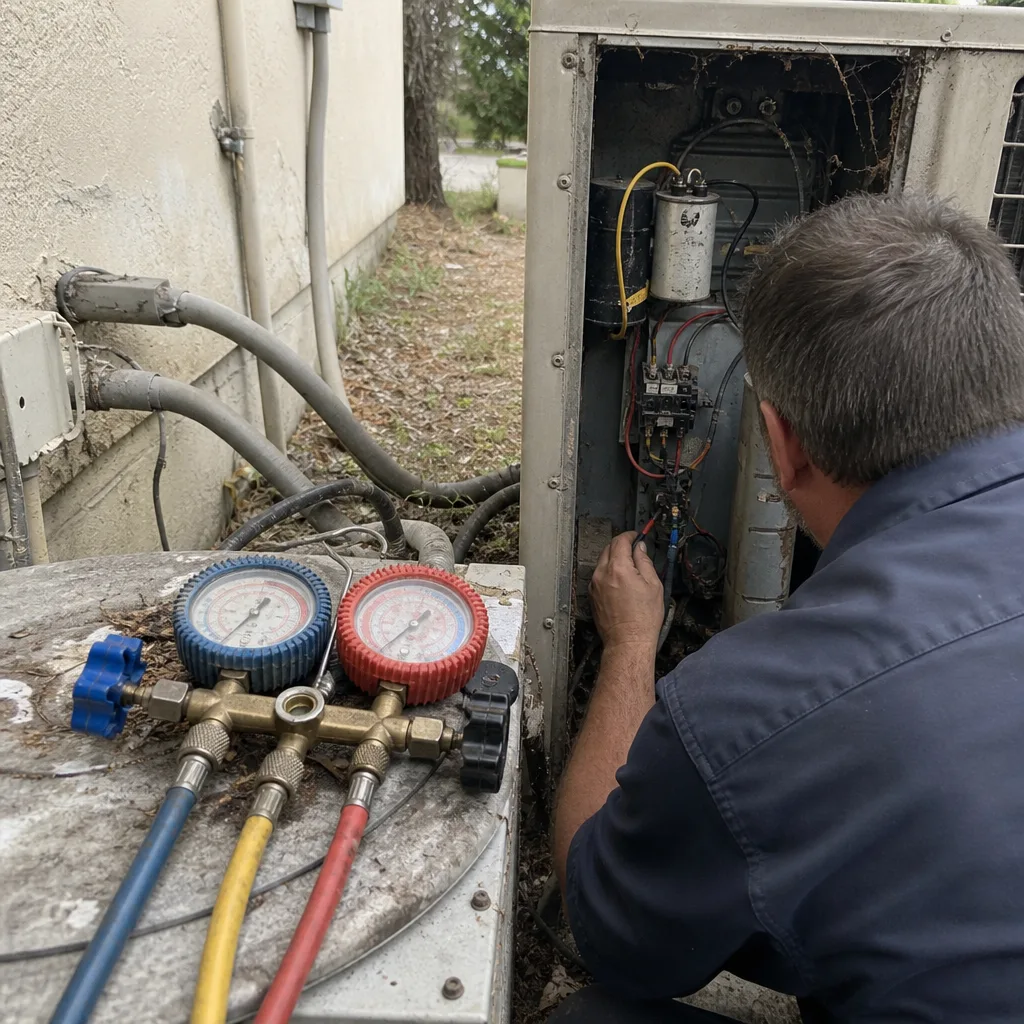
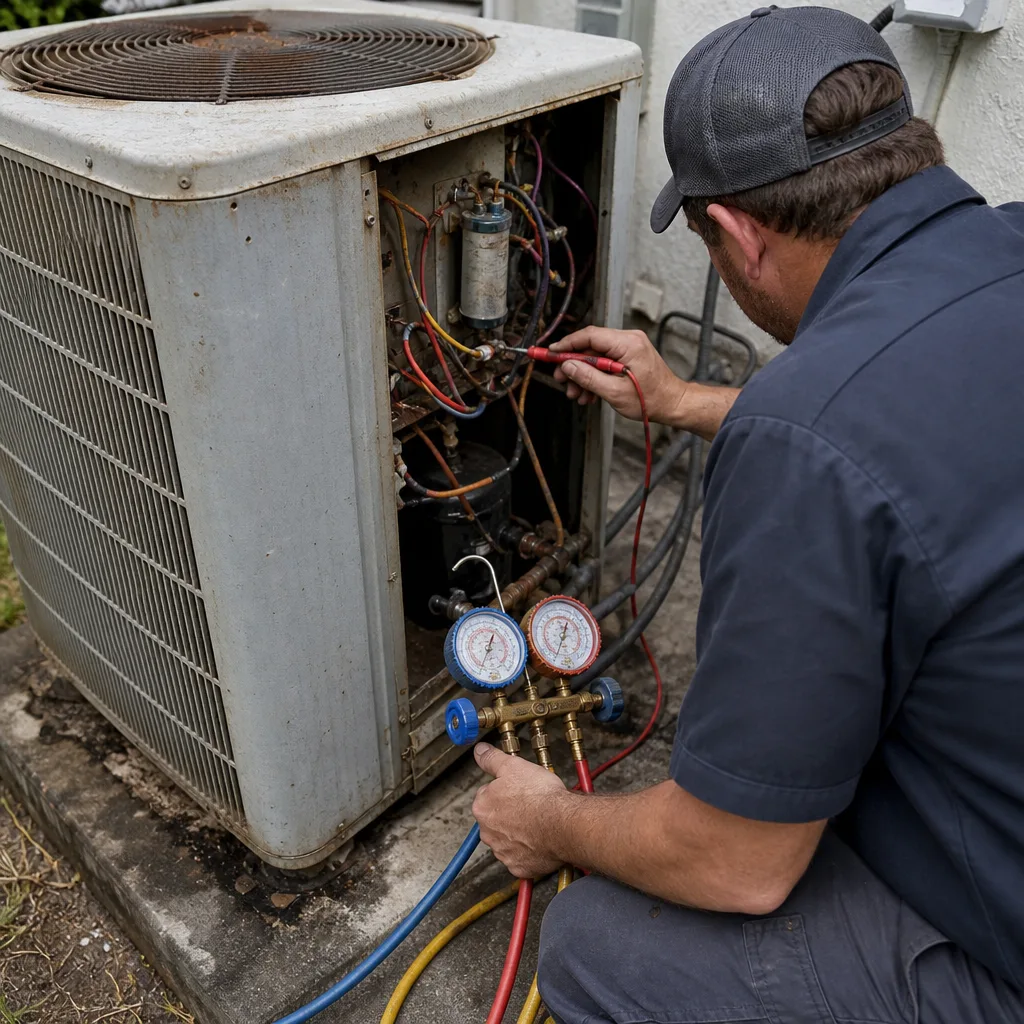
- They check refrigerant pressures, filter condition, coil cleanliness, and thermostat setpoints.
- They explain the likely cause and offer proof, not just a verdict.
- They distinguish between repair and replacement based on age, efficiency, and cost.
We’re a repair-first shop. When a furnace stops heating or an AC stops cooling, we repair before we recommend replacement, and the written estimate tells you what was actually found. That’s the posture you should ask of any contractor. On the heating side, our furnace repair page covers how diagnosis works in more detail. On the cooling side, the process is the same in spirit: identify the cause, price the repair, then decide together whether replacement makes more sense. For residents looking at contractors near them, our overview of Fort Myers service coverage gives you context on what we offer and how to reach us.
Step 7: Ask the Right Questions Before Hiring
You don’t need to be an HVAC technician to interview one. You need a short list of questions that reveal how the contractor thinks. Here are the ones that matter most when hiring an HVAC contractor in Fort Myers.
The Core Questions
- What’s your CAC license number, and can I find you on the DBPR lookup?
- Which manufacturers are you certified to install and service?
- Will you send me a written estimate with equipment model numbers and separated labor and parts?
- Who backs the labor warranty, and what voids it?
- Will you pull the permit, and is it in the quote?
- How do you decide between repair and replacement?
- Do you service both heating and cooling, or only one side?
That last question matters more than homeowners realize. When a contractor handles only one side of the system, you end up with two contractors, two sets of records, and a system that nobody sees whole. We’re built to handle both sides of home climate, so there’s one contractor for the whole system.
Common Mistakes to Avoid
- Choosing on price alone. In Fort Myers, where contractor quality varies widely, a low bid often signals a narrower brand lineup, fewer diagnostic steps, or a quieter decision to skip the permit. Price is a factor, not a filter.
- Not verifying the CAC license. A general contractor’s license doesn’t authorize HVAC work. If the DBPR record doesn’t show a current Certified Air Conditioning license, walk away.
- Accepting a quote with no model numbers. If the estimate doesn’t name the equipment, you can’t compare it to another quote, and you can’t hold the contractor to anything specific later.
- Overlooking the labor warranty. Manufacturer warranties don’t cover installation mistakes. If the labor warranty isn’t in writing with the contractor’s name on it, it isn’t a warranty you can count on.
- Letting the contractor skip the permit. An unpermitted installation may cost less upfront and cost more at resale, at insurance renewal, or at warranty claim time. Ask for the permit number.
- Choosing a single-brand contractor for a two-brand decision. A contractor who only installs one line has no reason to suggest the right fit for your load and budget. Brand fluency is the check on that.
- Skipping the diagnostic conversation. A contractor who opens with a budget question and close with a replacement recommendation has shown you the entire process. Ask them to diagnose first.
See the difference
 Before
 After
 Before
 After
 Before
 After
When to Call a Professional
A few situations call for a trained technician rather than a bit of troubleshooting. If your system is blowing warm air in the middle of summer, if the outdoor unit is short-cycling, if you smell burning or hear repeated breaker trips, or if the indoor unit is leaking water, stop and call. These are signs of an electrical, refrigerant, or mechanical problem that can get worse and more expensive the longer it runs. The same goes for a furnace that won’t ignite, or one that makes a repeated boom or rumble on start-up. Our technicians have up to 9 years of experience, and we’re certified to work on equipment from every major manufacturer, so you won’t be told your system isn’t “supported.” Blackwell Air Conditioning offers free estimates in Fort Myers. Call (833) 946-8616. We answer 24/7. Fast dispatch from 7am to 7pm, Sunday through Friday.
Frequently Asked Questions
Go to the Florida DBPR license lookup and search the contractor’s name or business. Confirm the license type reads “Certified Air Conditioning Contractor,” the status is current and active, and there’s no disciplinary history that worries you. Ask for the license number in writing on the estimate before you hire.
CAC stands for Certified Air Conditioning Contractor, a Florida license specifically for HVAC work. It’s different from a general contractor’s license, which doesn’t authorize air conditioning installation or repair. Hiring a CAC-licensed contractor protects you at resale, with your insurer, and with manufacturer warranty claims. If a contractor can’t produce a current CAC license, call someone else.
Usually not. A contractor who installs only one manufacturer isn’t giving you a recommendation; they’re working from a single inventory. A contractor certified across multiple brands can size equipment to your home and match it to your budget. Our team is certified to work across nine major HVAC brands, covering premium, mid-range, and value tiers, so the recommendation is driven by your load calculation and budget, not a vendor contract.
A good estimate names equipment model numbers, separates labor and parts, references the load calculation, lists the permit, and states the warranty terms in writing. It shouldn’t rely on “package deal” totals, missing model numbers, or vague “misc” line items. If the estimate doesn’t name the equipment, you can’t compare it to another bid or hold the contractor accountable later.
Yes. A permit means the installation gets inspected for Florida Building Code compliance, which protects you at resale, at insurance, and at warranty claim time. Unpermitted HVAC work is a hidden liability. Ask for the permit number and keep the inspection sign-off on file. A contractor who discourages the permit is telling you something.
Yes, and it’s usually better when they do. Heating and cooling live in the same system, and one contractor with access to the whole picture avoids the finger-pointing that happens when two different companies each cover half. We cover both sides: AC installation, furnace repair, and furnace replacement, so there’s no need to switch contractors as the system ages.
Match them line by line. Same equipment model numbers, same scope, same warranty terms, same permit status. If one quote doesn’t name the equipment and the other does, you’re not comparing prices; you’re comparing intentions. The contractor who makes their quote comparable is the one you can hold to it.
The Bottom Line
The most expensive HVAC mistake in Fort Myers isn’t buying the wrong brand. It’s hiring a contractor who bids low with a single locked-in brand, then uses that lock to steer you toward upgrades and service contracts you didn’t need. The defenses are simple and you can run them yourself: verify the CAC license, test brand fluency, read the quote line by line, confirm the labor warranty and the permit, and watch how the contractor diagnoses. When those checks pass, price is a real conversation. When they don’t, price is a distraction. The right contractor gives you the right system for your home, not the right system for their vendor contract.
Blackwell Air Conditioning is the brand-agnostic HVAC specialist with certified coverage across nine leading brands, including Carrier, Trane, Lennox, and Goodman. We handle AC installation, furnace repair, and furnace replacement under one roof, so there’s one contractor for the whole system at every stage. Our technicians have up to 9 years of experience, we repair before we recommend replacement, and the estimate is free.
If you’re ready to talk through your system, call (833) 946-8616 for a free estimate. We answer 24/7. Fast dispatch from 7am to 7pm, Sunday through Friday.
Written by the team at Blackwell Air Conditioning.